
BuddhistCatholicContemplativeEvangelicalGeneral ChristianHinduJewishLatter-day SaintMuslimNew VisionsProgressive Christian
Beliefs
- Buddhist
- Catholic
- Contemplative
- Evangelical
- General Christian
- Hindu
- Jewish
- Latter-day Saint
- More Voices
- Muslim
- New Visions
- Pagan
- Progressive Christian
Topics
- Religion News
- Food and Religion
- Sports and Religion
- Religious Art
- Religious Music and Entertainment
- Religious Events
- History and Religion
- Style and Religion
- Politics and Religion
- Women in Religion
- Recreation Outdoors and Religion
- Business Finance and Religion
- Careers Workplace and Religion
- Education and Religion
- Family Parenting and Religion
- Health Fitness and Religion
- Home and Religion
- Relationships and Religion
- Technology and Religion
- Travel and Religion
Columnists
- Buddhist Columnists
- Business Finance and Religion Columnists
- Careers Workplace and Religion Columnists
- Catholic Columnists
- Contemplative Columnists
- Education and Religion Columnists
- Evangelists Columnists
- Family Parenting and Religion Columnists
- General Christian Columnists
- Health Fitness and Religion Columnists
- Hindu Columnists
- History and Religion Columnists
- Home and Religion Columnists
- Jewish Columnists
- More Voices Columnists
- Latter Day Columnists
- Muslim Columnists
- New Visions Columnists
- Nonreligious Columnists
- Pagan Columnists
- Politics and Religion Columnists
- Progressive Columnists
- Recreation Outdoors and Religion Columnists
- Relationships and Religion Columnists
- Religion News Columnists
- Religious Art Columnists
- Religious Events Columnists
- Religious Music and Entertainment Columnists
- Sports and Religion Columnists
- Style and Religion Columnists
- Technology and Religion Columnists
- Travel and Religion Columnists
- Women in Religion Columnists
Resource Library
- 2026 Calendar
- Library of World Religions
- The 100 Most Holy Places on Earth
- Patheos Answers
- Podcasts
- Videos
- Faith Leaders Database
- Anglican Episcopalian
- Bahai
- Baptist
- Buddhism
- Christianity
- Confucianism
- Eastern Orthodoxy
- Hinduism
- Holiness and Pentecostal
- ISKCON
- Islam
- Judaism
- Lutheran
- Methodist
- The Church of Jesus Christ of Latter-day Saints
- New Age
- Paganism
- Presbytarian and Reformed
- Protestantism
- Religion Behind the Scenes
- Roman Catholic
- Scientology
- Shia Islam
- Sikhism
- Sufism
- Sunni Islam
- Taoism
- Zen
- See all religions
Research Tools
 Ad-Free & Subscriber Log-In Subscription Support
Follow Patheos 

- Trending:
- Advent
- |
- Forgiveness
- |
- Thanksgiving
- |
- Election
- |
- Seasonal Holidays
- |
- Marriage
January's Comfort: Reflections on Genesis 1: 1-15
January 06, 2012 by John Holbert
As I noted, the English word tohubohu is a transliteration of the two Hebrew words used to summon the idea of what the world was like before God began the creative work. It was in short pandemonium, chaos. The traditional reading "without form and void" is a prosaic attempt to capture a word cluster that was in essence onomatopoeic; the earth was tohubohu, and the priests must have enjoyed rolling that locution off their tongues as they performed the ritual. Then, too, the world was dark, pitch black, literally lightless before the great work of God, the darkness blanketing the Deep. I capitalize Deep, because the Hebrew is tehom, a word analogous to the Babylonian deity, Tiamat, the great dragon of chaos, out of whose murdered body Marduk had created the earth, according to the mythology of the great city. But for the Hebrews Tiamat has been reduced to a thing acted upon by the only God there is. Indeed, "a God-awful wind" is howling over the surface of tehom, echoing again the ancient myth of Babylon, wherein Marduk uses a huge wind to pry open the mouth of Tiamat in order to kill her with his golden spear. In every particular then, Gen. 1:1-2 is a rejection of what the Babylonians claim to believe.
And finally, into their January, and into our own, the great YHWH announces, "Let there be light!" And there was light" (Gen. 1:3). Where that light comes from is not described, but it is abundantly clear that it comes directly from God, not from the sun or moon or fire.
The dark is dispelled, the wind subsides, and a place for the people is revealed. God has created the world! Little wonder that when John composed his gospel some 700 years later, he recalled these magnificent words from Genesis and announced that "in the beginning was the word," and that word was light.
All of our Januaries must be viewed in the beam of that light. The light of Christmas must not be allowed to dim in the face of January gloom. Genesis' words composed to light up a Babylonian January 2600 years ago can still illumine our own Januaries in 2012. And a happy and light-filled New Year to you!
Page: 2 of 2
1/6/2012 5:00:00 AM
Preachers
Progressive Christian
Opening The Old Testament
Epiphany
History
New Year's
Preaching Resources
Sacred Texts
Christianity
more at patheos
1

Eco-Wedding Liturgy: Creation-Centered Ideas for Weddings
2

Patheos September 2026 Featured Writer: DeWayne Hamby
3
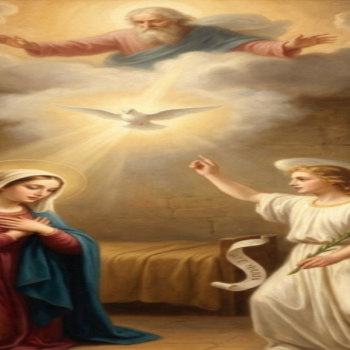
The Incarnation: Why Only Christ Took Human Form
4

The Solar Feminine, the Mirror, and the Path of Sovereignty

About John Holbert
John C. Holbert is the Lois Craddock Perkins Professor Emeritus of Homiletics at Perkins School of Theology in Dallas, TX.
Patheos Explore the world's faith through different perspectives on religion and spirituality! Patheos has the views of the prevalent religions and spiritualities of the world.
Ad-Free & Subscriber Log-In Subscription Support
- About Us
- 2026 Calendar
- Videos
- Podcasts
- Library of World Religions
- Faith In Media Tracker
- Advertise With Us
- Write for Us
- Privacy Policy
- Terms of Service
- Do Not Sell My Data
- Contact Us
- Radiant Digital
- Manage Newsletter Subscriptions
- Unsubscribe From Notifications
- Sitemap
Copyright 2008-2026, Patheos, part of the Radiant Digital network of media brands. All rights reserved.
Subscription Support Ad-Free & Subscriber Log-In
Follow Patheos