
BuddhistCatholicContemplativeEvangelicalGeneral ChristianHinduJewishLatter-day SaintMuslimNew VisionsProgressive Christian
Beliefs
- Buddhist
- Catholic
- Contemplative
- Evangelical
- General Christian
- Hindu
- Jewish
- Latter-day Saint
- More Voices
- Muslim
- New Visions
- Pagan
- Progressive Christian
Topics
- Religion News
- Food and Religion
- Sports and Religion
- Religious Art
- Religious Music and Entertainment
- Religious Events
- History and Religion
- Style and Religion
- Politics and Religion
- Women in Religion
- Recreation Outdoors and Religion
- Business Finance and Religion
- Careers Workplace and Religion
- Education and Religion
- Family Parenting and Religion
- Health Fitness and Religion
- Home and Religion
- Relationships and Religion
- Technology and Religion
- Travel and Religion
Columnists
- Buddhist Columnists
- Business Finance and Religion Columnists
- Careers Workplace and Religion Columnists
- Catholic Columnists
- Contemplative Columnists
- Education and Religion Columnists
- Evangelists Columnists
- Family Parenting and Religion Columnists
- General Christian Columnists
- Health Fitness and Religion Columnists
- Hindu Columnists
- History and Religion Columnists
- Home and Religion Columnists
- Jewish Columnists
- More Voices Columnists
- Latter Day Columnists
- Muslim Columnists
- New Visions Columnists
- Nonreligious Columnists
- Pagan Columnists
- Politics and Religion Columnists
- Progressive Columnists
- Recreation Outdoors and Religion Columnists
- Relationships and Religion Columnists
- Religion News Columnists
- Religious Art Columnists
- Religious Events Columnists
- Religious Music and Entertainment Columnists
- Sports and Religion Columnists
- Style and Religion Columnists
- Technology and Religion Columnists
- Travel and Religion Columnists
- Women in Religion Columnists
Resource Library
- 2026 Calendar
- Library of World Religions
- The 100 Most Holy Places on Earth
- Patheos Answers
- Podcasts
- Videos
- Faith Leaders Database
- Anglican Episcopalian
- Bahai
- Baptist
- Buddhism
- Christianity
- Confucianism
- Eastern Orthodoxy
- Hinduism
- Holiness and Pentecostal
- ISKCON
- Islam
- Judaism
- Lutheran
- Methodist
- The Church of Jesus Christ of Latter-day Saints
- New Age
- Paganism
- Presbytarian and Reformed
- Protestantism
- Religion Behind the Scenes
- Roman Catholic
- Scientology
- Shia Islam
- Sikhism
- Sufism
- Sunni Islam
- Taoism
- Zen
- See all religions
Research Tools
 Ad-Free & Subscriber Log-In Subscription Support
Ad-Free & Subscriber Log-In Subscription Support
Follow Patheos 

- Trending:
- Forgiveness
- |
- Marriage
- |
- Consciousness
- |
- Death Penalty
- |
- Election
- |
- Halloween
Jewish
Hillel vs. History at Chanukah
December 21, 2011 by Anna Batler
On the eve of Chanukah, I remember the Maccabees who waged a war against Hellenized Jews, only to then violate both the letter and spirit of Jewish law by seizing control of both the priesthood and the monarchy, and colluding with Rome. Chanukah is often understood as the celebration of the military triumphs of Maccabee guerilla fighters who recaptured the temple and restored its operation, allowing the Menorah to be lit once again. However, the laws of lighting the Menorah echo a different cause for celebration.
There is debate between the House of Hillel and the House of Shammaion the specifics of lighting the Menorah. Both Hillel and Shammai were great Tannaim, or Rabbinic leaders from the Mishnaic Era, famous for their consistently opposing views. Hillel taught that, on the first day of Chanukah, one candle ought to be lit and then one additional candle should be lit per day, until eight candles are lit on the final day. Shammai taught the opposite view. He said that on the first day, eight candles ought to be lit, decreasing by a candle a day, until the last day, when only a single candle is lit.
Shammai's opinion is grounded in the historic Chanukah. The first Chanukah, was in fact celebrated as Sukkot, to make up for the Sukkot missed during the fighting, and thus the Chanukah ritual had to reflect Sukkot observance. On Sukkot, the number of sacrifices brought at the Temple decreased each day, and so we decreased the amount of candles we light.
Hillel argued that decreasing the candles is simply too depressing—instead, we should strive to increase the light and the observance of this sacred ritual: "In sacred matters we elevate, and do not lower." One must strive to be always lighting one more candle. The law was settled according to Hillel's opinion (as is generally the case), even though his argument is based on the spiritual needs of the people and not on commemoration of that first Chanukah.
In siding with Hillel and by choosing to commemorate by not commemorating the war, the Talmudic tradition distances itself from that first holiday and the Maccabees. Rather, through teaching the Hillel and Shammai Chanukah debate, we remember that battles over ideas are best waged in the halls of study. Hillel and Shammai are the anti-Maccabees/Hellenists. Their intellectual disagreements remained intellectual. Their authority rested on the quality of their arguments, not the strength of their swords. When they were not debating, Hillel and Shammai were friends.
The real miracle and triumph of the Chanukah story is the willful forgetting of the historic Maccabees and their holy war. The primary religious observance of Chanukah focuses on peaceful holiness—lighting the Menorah, we remember the miracle of a single bottle of oil that lasted for eight days. Judaism, since the end of the Maccabees, has become a religion where disagreement is woven in the fabric of tradition, perhaps in the self-conscious effort to never again be the Maccabees.
12/21/2011 5:00:00 AM
Jewish
The Girl and the Drash
Chanukah
gender
Maccabees
Sacred Texts
Sexuality
Judaism
more at patheos
1

Restoring, Resurrecting, Reflecting
2
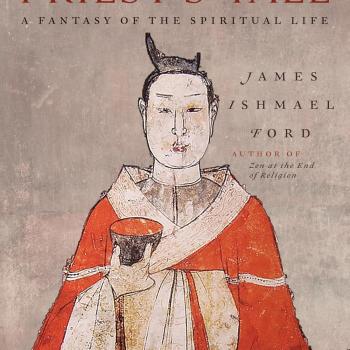
A Zen teacher writes a novel describing the Spiritual life
3

Progressive Christianity Tries for a Comeback
4

Gospel-Centered Service Develops Holiness

About Anna Batler
Anna Batler is a writer and an attorney based out of Washington, D.C. She writes about faith, feminism, spirituality, and religious identity at Sotah.net. She also writes a weekly feminist Bible commentary at GatherTheJews.com.
Patheos Explore the world's faith through different perspectives on religion and spirituality! Patheos has the views of the prevalent religions and spiritualities of the world.
Ad-Free & Subscriber Log-In Subscription Support
- About Us
- 2026 Calendar
- Videos
- Podcasts
- Library of World Religions
- Faith In Media Tracker
- Advertise With Us
- Write for Us
- Privacy Policy
- Terms of Service
- Do Not Sell My Data
- Contact Us
- Radiant Digital
- Manage Newsletter Subscriptions
- Unsubscribe From Notifications
- Sitemap
Copyright 2008-2026, Patheos. All rights reserved.
Subscription Support Ad-Free & Subscriber Log-In
Follow Patheos