
BuddhistCatholicContemplativeEvangelicalGeneral ChristianHinduJewishLatter-day SaintMuslimNew VisionsProgressive Christian
Beliefs
- Buddhist
- Catholic
- Contemplative
- Evangelical
- General Christian
- Hindu
- Jewish
- Latter-day Saint
- More Voices
- Muslim
- New Visions
- Pagan
- Progressive Christian
Topics
- Religion News
- Food and Religion
- Sports and Religion
- Religious Art
- Religious Music and Entertainment
- Religious Events
- History and Religion
- Style and Religion
- Politics and Religion
- Women in Religion
- Recreation Outdoors and Religion
- Business Finance and Religion
- Careers Workplace and Religion
- Education and Religion
- Family Parenting and Religion
- Health Fitness and Religion
- Home and Religion
- Relationships and Religion
- Technology and Religion
- Travel and Religion
Columnists
- Buddhist Columnists
- Business Finance and Religion Columnists
- Careers Workplace and Religion Columnists
- Catholic Columnists
- Contemplative Columnists
- Education and Religion Columnists
- Evangelists Columnists
- Family Parenting and Religion Columnists
- General Christian Columnists
- Health Fitness and Religion Columnists
- Hindu Columnists
- History and Religion Columnists
- Home and Religion Columnists
- Jewish Columnists
- More Voices Columnists
- Latter Day Columnists
- Muslim Columnists
- New Visions Columnists
- Nonreligious Columnists
- Pagan Columnists
- Politics and Religion Columnists
- Progressive Columnists
- Recreation Outdoors and Religion Columnists
- Relationships and Religion Columnists
- Religion News Columnists
- Religious Art Columnists
- Religious Events Columnists
- Religious Music and Entertainment Columnists
- Sports and Religion Columnists
- Style and Religion Columnists
- Technology and Religion Columnists
- Travel and Religion Columnists
- Women in Religion Columnists
Resource Library
- 2026 Calendar
- Library of World Religions
- The 100 Most Holy Places on Earth
- Patheos Answers
- Podcasts
- Videos
- Faith Leaders Database
- Anglican Episcopalian
- Bahai
- Baptist
- Buddhism
- Christianity
- Confucianism
- Eastern Orthodoxy
- Hinduism
- Holiness and Pentecostal
- ISKCON
- Islam
- Judaism
- Lutheran
- Methodist
- The Church of Jesus Christ of Latter-day Saints
- New Age
- Paganism
- Presbytarian and Reformed
- Protestantism
- Religion Behind the Scenes
- Roman Catholic
- Scientology
- Shia Islam
- Sikhism
- Sufism
- Sunni Islam
- Taoism
- Zen
- See all religions
Research Tools
 Ad-Free & Subscriber Log-In Subscription Support
Ad-Free & Subscriber Log-In Subscription Support
Follow Patheos 

- Trending:
- Forgiveness
- |
- Marriage
- |
- Consciousness
- |
- Death Penalty
- |
- Election
- |
- Halloween
Jewish
The Little Orthodox Engine That Could
November 15, 2011 by Yitzchok Adlerstein
The last few generations saw people making sacrifices for their Orthodoxy. They weighed it against the alternatives, and made their informed choices. Decisions made through sacrifice are stronger and deeper. Their children and grandchildren, however, were raised in a bullish market for Orthodoxy. They often made fewer personal choices to commit, but were swept along on the crest of their community's ascendance. Orthodoxy was their birthright, rather than their faith of choice. That leaves them vulnerable to new challenges in a changed world.
Living as an Orthodox Jew in America requires balancing the allure of a non-Jewish cultural surround with a life of devotion to G-d and His word. Both the Modern Orthodox and the traditionalists have failed to come up with a perfect solution to a new and pervasive intrusiveness of secular culture. So much that is foreign to the spirit of Judaism is delivered on demand through the new digital technologies. So much of the broader world is literally placed in the palm of everyone's hand. From pornography to websites mocking religious belief, from conspicuous consumption to instant gratification, more and more of a secular lifestyle inimical to authentic Jewish practice and values invades Orthodox neighborhoods, homes, and minds.
The two sub-groups within Orthodoxy deal with this invasion in different ways. Both methods have been found wanting. The Modern Orthodox, committed to a measure of openness, have often reached for too much that is outside of Judaism. They are paying a dear price for this in an increase in alienation among their children. Meanwhile, their more right-wing cousins have resorted to building higher and thicker walls to keep those influences out. They have succeeded at times, but often failed at many others, producing much discontent and backlash in the process.
In both these communities, the rate of growth far exceeds the losses through attrition. This demographic success, however, contributes to a complacency that deflects attention from dealing more effectively with the challenges that plague an important number of Orthodox Jews, even if still very much a minority. Another part of its success has been in achieving far greater material well-being than in previous generations. Material success also exacts a price. People become preoccupied with concerns and interest that may not break any religious laws or strictures, but are devoid of spirituality. An Orthodoxy practiced by rote or tradition—and without passion for spirituality—will not thrive.
Still, strict adherence to the norms of traditional Judaism has allowed the Jewish people to overcome all sorts of challenges in two millennia of exile from its Land. A system of belief and action that richly engages the mind, the heart, and the limbs has survived where competitors have not. That system provides alternatives to the meretricious allure of secular culture, but only when understood and felt deeply, and practiced passionately. It will not compete with it when practiced superficially or uncomprehended.
Ironically, while other Jews believed that the restrictions and limitations of Orthodoxy—its disadvantages, if you will—would present its largest challenges, the opposite has been the case in America. The unintended consequences of success are what pose the greatest challenges to Orthodoxy's future.
Page: 2 of 2
11/15/2011 5:00:00 AM
Jewish
The Velvet Kippah
Culture
Technology
Wealth
Judaism
Orthodox Judaism
more at patheos
1

2

3
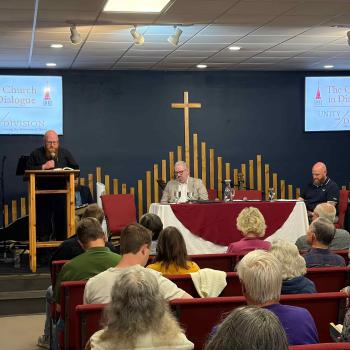
Truth-Rooted Ecumenical Dialogue
4
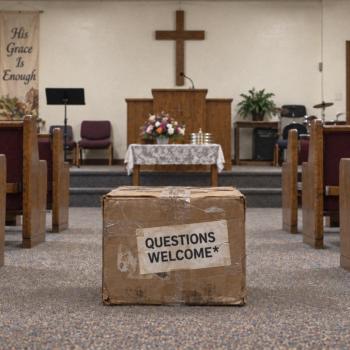
The Cat Is Alive. Please Stop Asking Questions.

About Yitzchok Adlerstein
Yitzchok Adlerstein is an Orthodox rabbi who directs interfaith affairs for the Simon Wiesenthal Center, and chairs Jewish Law at Loyola Law School in Los Angeles. He is hopelessly addicted to the serious study of Torah texts.
Patheos Explore the world's faith through different perspectives on religion and spirituality! Patheos has the views of the prevalent religions and spiritualities of the world.
Ad-Free & Subscriber Log-In Subscription Support
- About Us
- 2026 Calendar
- Videos
- Podcasts
- Library of World Religions
- Faith In Media Tracker
- Advertise With Us
- Write for Us
- Privacy Policy
- Terms of Service
- Do Not Sell My Data
- Contact Us
- Radiant Digital
- Manage Newsletter Subscriptions
- Unsubscribe From Notifications
- Sitemap
Copyright 2008-2026, Patheos. All rights reserved.
Subscription Support Ad-Free & Subscriber Log-In
Follow Patheos