
BuddhistCatholicContemplativeEvangelicalGeneral ChristianHinduJewishLatter-day SaintMuslimNew VisionsProgressive Christian
Beliefs
- Buddhist
- Catholic
- Contemplative
- Evangelical
- General Christian
- Hindu
- Jewish
- Latter-day Saint
- More Voices
- Muslim
- New Visions
- Pagan
- Progressive Christian
Topics
- Religion News
- Food and Religion
- Sports and Religion
- Religious Art
- Religious Music and Entertainment
- Religious Events
- History and Religion
- Style and Religion
- Politics and Religion
- Women in Religion
- Recreation Outdoors and Religion
- Business Finance and Religion
- Careers Workplace and Religion
- Education and Religion
- Family Parenting and Religion
- Health Fitness and Religion
- Home and Religion
- Relationships and Religion
- Technology and Religion
- Travel and Religion
Columnists
- Buddhist Columnists
- Business Finance and Religion Columnists
- Careers Workplace and Religion Columnists
- Catholic Columnists
- Contemplative Columnists
- Education and Religion Columnists
- Evangelists Columnists
- Family Parenting and Religion Columnists
- General Christian Columnists
- Health Fitness and Religion Columnists
- Hindu Columnists
- History and Religion Columnists
- Home and Religion Columnists
- Jewish Columnists
- More Voices Columnists
- Latter Day Columnists
- Muslim Columnists
- New Visions Columnists
- Nonreligious Columnists
- Pagan Columnists
- Politics and Religion Columnists
- Progressive Columnists
- Recreation Outdoors and Religion Columnists
- Relationships and Religion Columnists
- Religion News Columnists
- Religious Art Columnists
- Religious Events Columnists
- Religious Music and Entertainment Columnists
- Sports and Religion Columnists
- Style and Religion Columnists
- Technology and Religion Columnists
- Travel and Religion Columnists
- Women in Religion Columnists
Resource Library
- 2026 Calendar
- Library of World Religions
- The 100 Most Holy Places on Earth
- Patheos Answers
- Podcasts
- Videos
- Faith Leaders Database
- Anglican Episcopalian
- Bahai
- Baptist
- Buddhism
- Christianity
- Confucianism
- Eastern Orthodoxy
- Hinduism
- Holiness and Pentecostal
- ISKCON
- Islam
- Judaism
- Lutheran
- Methodist
- The Church of Jesus Christ of Latter-day Saints
- New Age
- Paganism
- Presbytarian and Reformed
- Protestantism
- Religion Behind the Scenes
- Roman Catholic
- Scientology
- Shia Islam
- Sikhism
- Sufism
- Sunni Islam
- Taoism
- Zen
- See all religions
Research Tools
 Ad-Free & Subscriber Log-In Subscription Support
Ad-Free & Subscriber Log-In Subscription Support
Follow Patheos 

- Trending:
- Forgiveness
- |
- Marriage
- |
- Consciousness
- |
- Death Penalty
- |
- Election
- |
- Halloween
Catholic
Why "Lost" Still Matters
April 12, 2011 by Tony Rossi
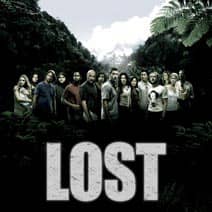 The ABC TV series "Lost" left the air almost a year ago, yet it continues to generate lots of emotion from fans and detractors. Recently the show's Executive Producers, Damon Lindelof and Carlton Cuse were blind-sided by insults from popular fantasy author George R.R. Martin, whose book Game of Thrones has been turned into an HBO mini-series, and who continues work on his Song of Fire and Ice book series.
Martin expressed concern about finding a satisfying ending for his series saying, "What if I f--- it up at the end? What if I do a Lost?"
That comment struck Lindelof and Cuse as unnecessarily harsh; they had poured their hearts and souls into "Lost's" storytelling. Both men responded on Twitter—Lindelof with some zingers directed at Martin; Cuse more succinctly with the statement, "We never raise ourselves up by demeaning the work of others."
Having watched "Lost" from the beginning, I think the level of animosity directed at it is completely unwarranted. The show told a brilliant, engaging story in a way that made it matter to people. In fact, it's a story that I believe continues to matter.
For the uninitiated, "Lost" dealt with a group of plane crash survivors who landed on a mysterious, mystical island. Initially, these castaways were emotionally-crippled souls without any genuine human connections, but through the love and responsibility they exhibited toward each other, they were able to grow as human beings—to move past the tragedies, mistakes, and obsessions that haunted them and eventually arrive in a state of grace. Despite everything you may hear about the show's complicated mythology, these are the issues the show was about at its core.
Before the haters and naysayers chime in, I do acknowledge that "Lost's" mythology grew unwieldy, and numerous threads were not tied up. But to paraphrase Shakespeare, "Lost" is a show far more sinned against than sinning. It dared to deal with big issues—faith and doubt, sin and redemption, earthly life and the afterlife—through some of the most well-drawn and acted characters ever created on television.
Take the issues of faith and doubt: There was an ongoing clash between the characters Jack Shephard and John Locke about whether our actions and experiences in life have some unseen purpose, or whether only those things that can be scientifically proven and deduced are real.
In one heated exchange, Locke screams at Jack, "Why do you find it so hard to believe?" Jack responds, "Why do you find it so easy?" Locke exclaims, "It's never been easy!"
Right there, you've got an encapsulated version of questions that most believers of all stripes have grappled with. In a world where earthquakes and tsunamis kill thousands, where people who've made evil decisions live to a ripe old age while innocent children die in accidents or from diseases, there can seem like plenty of reasons not to believe in a benevolent God. Yet if people are humble enough to consider the possibility that a reality exists beyond what the senses can experience, they may come to notice connections and meanings they never knew were there. "Lost" did an excellent job of bringing those questions and struggles to light in a way that resonates with the open-minded.
Lost's themes about the journey from sin to redemption was reflected in all the primary characters, but none quite so well as Ben Linus. He was a Machiavellian villain who justified his own self-aggrandizing actions as being for the good of the island. As the story progressed, however, we began to see hints that he genuinely cared about his adopted daughter, Alex.
When she is murdered because he refused to give himself up, there's a change in him; the guilt of not saving Alex gnaws at him, slowly producing a change for the better. That change doesn't proceed in a straight line. Just when you think Ben is getting in touch with the better angels of his nature, he kills someone and is seemingly back to his old ways. There comes a point when Ben, who had allied himself with the good guys for a while, believes he has nowhere to turn but back to the story's chief villain in order to survive. What happens next is a perfect mirror for Catholics familiar with the sacrament of confession/reconciliation.
Ilana, who is the representative of the island's godlike figure Jacob, whom Ben had murdered, confronts him about what he did. Ben finally breaks down and admits, "I watched my daughter Alex die in front of me. And it was my fault. I had a chance to save her . . . I'm sorry I killed Jacob, I am, and I do not expect you to forgive me because I can never forgive myself." When Ilana asks Ben why he wants to now ally himself with the island's resident evil, Ben responds, "Because he's the only one that'll have me."
Article Continued On Next Page
Page: 1 of 2
4/12/2011 4:00:00 AM
Catholic
Media
Mythology
Purgatory
Television
Christianity
Roman Catholicism
more at patheos
1

Islam in America or Islam versus America?
2

3

Christians, If You’re Afraid of Trans People, Read This
4
Meet Likoudis Legacy Foundation Founder Andrew Likoudis

About Tony Rossi
Tony Rossi serves as host/producer of "Christopher Closeup," the radio show and podcast of. The Christophers, a Catholic non-profit that uses media to encourage people of all faiths to live gospel values.
Patheos Explore the world's faith through different perspectives on religion and spirituality! Patheos has the views of the prevalent religions and spiritualities of the world.
Ad-Free & Subscriber Log-In Subscription Support
- About Us
- 2026 Calendar
- Videos
- Podcasts
- Library of World Religions
- Faith In Media Tracker
- Advertise With Us
- Write for Us
- Privacy Policy
- Terms of Service
- Do Not Sell My Data
- Contact Us
- Radiant Digital
- Manage Newsletter Subscriptions
- Unsubscribe From Notifications
- Sitemap
Copyright 2008-2026, Patheos. All rights reserved.
Subscription Support Ad-Free & Subscriber Log-In
Follow Patheos