
BuddhistCatholicContemplativeEvangelicalGeneral ChristianHinduJewishLatter-day SaintMuslimNew VisionsProgressive Christian
Beliefs
- Buddhist
- Catholic
- Contemplative
- Evangelical
- General Christian
- Hindu
- Jewish
- Latter-day Saint
- More Voices
- Muslim
- New Visions
- Pagan
- Progressive Christian
Topics
- Religion News
- Food and Religion
- Sports and Religion
- Religious Art
- Religious Music and Entertainment
- Religious Events
- History and Religion
- Style and Religion
- Politics and Religion
- Women in Religion
- Recreation Outdoors and Religion
- Business Finance and Religion
- Careers Workplace and Religion
- Education and Religion
- Family Parenting and Religion
- Health Fitness and Religion
- Home and Religion
- Relationships and Religion
- Technology and Religion
- Travel and Religion
Columnists
- Buddhist Columnists
- Business Finance and Religion Columnists
- Careers Workplace and Religion Columnists
- Catholic Columnists
- Contemplative Columnists
- Education and Religion Columnists
- Evangelists Columnists
- Family Parenting and Religion Columnists
- General Christian Columnists
- Health Fitness and Religion Columnists
- Hindu Columnists
- History and Religion Columnists
- Home and Religion Columnists
- Jewish Columnists
- More Voices Columnists
- Latter Day Columnists
- Muslim Columnists
- New Visions Columnists
- Nonreligious Columnists
- Pagan Columnists
- Politics and Religion Columnists
- Progressive Columnists
- Recreation Outdoors and Religion Columnists
- Relationships and Religion Columnists
- Religion News Columnists
- Religious Art Columnists
- Religious Events Columnists
- Religious Music and Entertainment Columnists
- Sports and Religion Columnists
- Style and Religion Columnists
- Technology and Religion Columnists
- Travel and Religion Columnists
- Women in Religion Columnists
Resource Library
- 2026 Calendar
- Library of World Religions
- The 100 Most Holy Places on Earth
- Patheos Answers
- Podcasts
- Videos
- Faith Leaders Database
- Anglican Episcopalian
- Bahai
- Baptist
- Buddhism
- Christianity
- Confucianism
- Eastern Orthodoxy
- Hinduism
- Holiness and Pentecostal
- ISKCON
- Islam
- Judaism
- Lutheran
- Methodist
- The Church of Jesus Christ of Latter-day Saints
- New Age
- Paganism
- Presbytarian and Reformed
- Protestantism
- Religion Behind the Scenes
- Roman Catholic
- Scientology
- Shia Islam
- Sikhism
- Sufism
- Sunni Islam
- Taoism
- Zen
- See all religions
Research Tools
 Ad-Free & Subscriber Log-In Subscription Support
Follow Patheos 

- Trending:
- Advent
- |
- Forgiveness
- |
- Thanksgiving
- |
- Election
- |
- Seasonal Holidays
- |
- Marriage
Evangelical
Tsunamis: Or, Why I'm No Longer a Calvinist
March 22, 2011 by Kyle Roberts
I used to be a Calvinist.
Yet there were things about Calvinism as a theological system that never sat right with me. I had difficulty accepting "meticulous providence," the idea that God intends everything that happens to happenin the specific way it happens. A common analogy for this view of God's sovereignty over history is "God as novelist." God writes the story of creational history. Every event, great or small, happy or horrific, is included in that story for a specific purpose—all of which serves the glory of God and the good of the elect.
But herein lies the problem: I cannot subscribe to a theology which insists that tsunamis and other disasters were intentionally, specifically, intended by God to happen, just as they happen, for some individual, particular reason.
Many Calvinists find comfort in the conviction that God has absolute control over every aspect of life. Some argue that if God isn't scrupulously directing the tough times, including national tragedies and global catastrophes, why should we expect him to direct the good times? This is a fair point. If God wasn't "in control" of the tsunami, why should we suppose him to be in control over the precariousness of a child's birth or an arduous, frustrating job search? It's all or nothing. Right?
Is it really? Does providence only count if God is a micro-manager? Can God be a macro-manager and still be sovereign over the present and the future? Can God be in charge of the whole but not in control of every single detail? I think so. And I think this is the general thrust of the scriptural witness.
There is a meaningful difference between God's permissive will (that which he allows to occur even though he does not want or intend it actively) and God's ordaining will (that which he actively wills, thereby ensuring that it happens just as it happened for a specific reason). This line divides the Arminian from the Calvinist—at least on the issue of providence. David Bentley Hart, in The Doors of the Sea: Where Was God in the Tsunami?, suggests that this distinction allows for the reality of inexplicable suffering, the kind that is neither divinely intended nor purposeful. Seemingly pointless suffering may actually be pointless; that is, it may have no direct reference to any specific, immediate divine purpose or explanation that makes it worth the pain.
But can more be said about natural disasters than that they are not divinely intended for specific purposes?
Terence Fretheim, in Creation Untamed: The Bible, God and Natural Disasters, suggests that a proper explanation of natural disasters and the suffering they cause can be found in an adequate biblical theology of creation. Genesis tells us that God created the world good -- not perfect or completed. The elements of creation bore within themselves the freedom and responsibility to continue the creation process—though not apart from God's continual, providential involvement. Freedom, chaos, and even natural disasters are imbedded in the very fabric of life. With life comes death. With joy comes pain. The earth rotates, tectonic plates shift, and the history of the world marches on. Along with the beauty, majesty, and mystery of life, there is pain, death, and tragedy. In the midst of it, God is not distant, removed, or dispassionate, but involved, interested, and empathic. In fact, he entered into it himself, uniting to creation itself through the incarnation of the Son and the ongoing presence of the Spirit.
Upon God's initial act of creation, theologically described in Genesis 1-2, he continues to create through "the creative capacities of that which is not God" (19). He instills freedom within the processes of life for created beings to continue the process of creation, though under God's ultimate supervision. Nature is not a finished product but a dynamic process, "characterized by a remarkable open-endedness" (17) in which even earth and water are involved as both subject and object in this ongoing creation.
Along similar lines, theologian and scientist John Polkinghorne has argued for a "free process" view of God's providence. Just as humans are free to choose their actions, so God imbedded freedom within the very fabric of creation. Quantum physics corroborates a kind of indeterminacy, openness, and possibility at the very fundamental level of natural reality. This all implies that chaos and danger necessarily accompany the order and beauty of the natural world as it unfolds through history.
Article Continued On Next Page
Page: 1 of 2
3/22/2011 4:00:00 AM
Evangelical
Theological Provocations
Arminianism
Calvinism
Japan
Open Theism
Tsunami
Tragedy
Theodicy
Christianity
Evangelicalism
more at patheos
1

2
Mt. Olivet Baptist Church VBS: A Closer Look, Hard Questions
3
INNER CIRCLE: Who Has Known the Mind of God? We Have!
4

Did Gay People Steal the Rainbow from Christians?
About Kyle Roberts
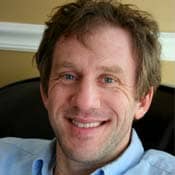
Kyle Roberts is Assistant Professor of Systematic Theology and Lead Faculty of Christian Thought, Bethel Seminary (St. Paul, MN). He researches and writes on issues related to the intersection of theology, philosophy, and culture. Follow Kyle Roberts' reflections on faith and culture at his blog or via Twitter.
Patheos Explore the world's faith through different perspectives on religion and spirituality! Patheos has the views of the prevalent religions and spiritualities of the world.
Ad-Free & Subscriber Log-In Subscription Support
- About Us
- 2026 Calendar
- Videos
- Podcasts
- Library of World Religions
- Faith In Media Tracker
- Advertise With Us
- Write for Us
- Privacy Policy
- Terms of Service
- Do Not Sell My Data
- Contact Us
- Radiant Digital
- Manage Newsletter Subscriptions
- Unsubscribe From Notifications
- Sitemap
Copyright 2008-2026, Patheos, part of the Radiant Digital network of media brands. All rights reserved.
Subscription Support Ad-Free & Subscriber Log-In
Follow Patheos