
BuddhistCatholicContemplativeEvangelicalGeneral ChristianHinduJewishLatter-day SaintMuslimNew VisionsProgressive Christian
Beliefs
- Buddhist
- Catholic
- Contemplative
- Evangelical
- General Christian
- Hindu
- Jewish
- Latter-day Saint
- More Voices
- Muslim
- New Visions
- Pagan
- Progressive Christian
Topics
- Religion News
- Food and Religion
- Sports and Religion
- Religious Art
- Religious Music and Entertainment
- Religious Events
- History and Religion
- Style and Religion
- Politics and Religion
- Women in Religion
- Recreation Outdoors and Religion
- Business Finance and Religion
- Careers Workplace and Religion
- Education and Religion
- Family Parenting and Religion
- Health Fitness and Religion
- Home and Religion
- Relationships and Religion
- Technology and Religion
- Travel and Religion
Columnists
- Buddhist Columnists
- Business Finance and Religion Columnists
- Careers Workplace and Religion Columnists
- Catholic Columnists
- Contemplative Columnists
- Education and Religion Columnists
- Evangelists Columnists
- Family Parenting and Religion Columnists
- General Christian Columnists
- Health Fitness and Religion Columnists
- Hindu Columnists
- History and Religion Columnists
- Home and Religion Columnists
- Jewish Columnists
- More Voices Columnists
- Latter Day Columnists
- Muslim Columnists
- New Visions Columnists
- Nonreligious Columnists
- Pagan Columnists
- Politics and Religion Columnists
- Progressive Columnists
- Recreation Outdoors and Religion Columnists
- Relationships and Religion Columnists
- Religion News Columnists
- Religious Art Columnists
- Religious Events Columnists
- Religious Music and Entertainment Columnists
- Sports and Religion Columnists
- Style and Religion Columnists
- Technology and Religion Columnists
- Travel and Religion Columnists
- Women in Religion Columnists
Resource Library
- 2026 Calendar
- Library of World Religions
- The 100 Most Holy Places on Earth
- Patheos Answers
- Podcasts
- Videos
- Faith Leaders Database
- Anglican Episcopalian
- Bahai
- Baptist
- Buddhism
- Christianity
- Confucianism
- Eastern Orthodoxy
- Hinduism
- Holiness and Pentecostal
- ISKCON
- Islam
- Judaism
- Lutheran
- Methodist
- The Church of Jesus Christ of Latter-day Saints
- New Age
- Paganism
- Presbytarian and Reformed
- Protestantism
- Religion Behind the Scenes
- Roman Catholic
- Scientology
- Shia Islam
- Sikhism
- Sufism
- Sunni Islam
- Taoism
- Zen
- See all religions
Research Tools
 Ad-Free & Subscriber Log-In Subscription Support
Follow Patheos 

- Trending:
- Advent
- |
- Forgiveness
- |
- Thanksgiving
- |
- Election
- |
- Seasonal Holidays
- |
- Marriage
Living a Holy Lent
March 04, 2011 by Bruce Epperly
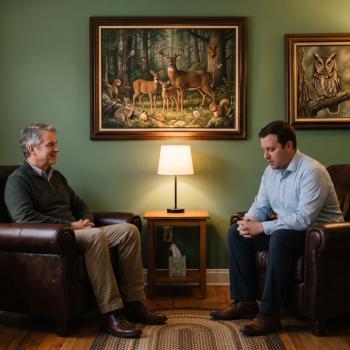
We all know that Lent and Holy Week, along with Advent and Christmas, are some of the most challenging weeks of the Christian year. During Lent, pastors typically have at least one more service or program each week and often spend extra time visiting shut-ins and serving home communions. Holy Week brings at least two, and as many as six or more, extra services to be planned and led. Pastors hardly have time to catch their breath, must less live in the spirit of Lent and Holy Week. Recently, I met with a group of pastors who lamented that while they counseled their congregants to spend extra time in prayer, their own prayer lives deteriorated during these seasons of penitence and retreat.
Is it possible for pastors to heed the Ash Wednesday affirmation, "Repent and believe the Gospel" for themselves during this ministry-heavy season? Can we turn around, choose an alternative ministerial path, and discover the good news of God's abundant life in the midst of our daily duties?
I believe it's possible—and indeed critical—for a pastor to live a holy Lent. The path is obvious, but challenging: cultivate your spiritual life through a focus on spiritual disciplines. Spirituality involves a dynamic call and response, joining divine grace and human intentionality. Grace abounds and God is near, but our calling during Lent is to open our hearts to the grace in which we stand. Our challenge is to be agents in shaping our ministries, rather than passively being shaped by the expectations of others.
Like everything important in ministry, the key element is intentionality and agency. Ministry is a 24/7 profession, but much of a pastor's time is discretionary, that is, a matter of priorities and prayerful decision-making. Living a holy Lent is as essential for good ministry as study is for good preaching. This year, I invite you to create your own Lenten retreat, by carving out intentional, uninterrupted space in each week of the season.
Begin your own retreat the first week of Lent. Set aside Monday or Tuesday prior to Ash Wednesday and find a quiet place where you can spend a full morning or afternoon, or better yet, a whole day in prayerful solitude and study. (If you can't do this prior to Ash Wednesday, Thursday or Friday will also work.) With nothing but your bible and laptop or journal, take one morning or afternoon simply to read imaginatively once more the Lenten lectionary passages. Let ideas and images emerge through practices such as lectio divinaor imaginative prayer. Gather these ideas up and begin to reflect on common themes that emerge throughout the season. Let them shape your perspective throughout the Lenten season.
Then, take another brief retreat on Ash Wednesday. Begin the morning in prayerful reflection—perhaps in a time of reflection on the meaning of Ash Wednesday as a day of transformation and change, a day to recognize your mortality and seize the moment to live abundantly and faithfully. You may choose to meet for a few hours of prayer and meditation with a few colleagues in ministry, concluding your time with communion and the imposition of ashes. (If you have an Ash Wednesday Service in the morning, I suggest that you wake up an hour early for retreat time or immediately adjourn to your retreat following the service.)
While the first retreat is more ambient and intuitive, the second scripture-based retreat is more goal-oriented. In this retreat, taking place during the second Thursday or Friday (or a day of your convenience) of Lent, bring your bible and worship resources. Grounding your time in prayerful meditation, take time to harvest a number of key points for your preaching and worship preparation for the remaining weeks of Lent. Take time to reflect on appropriate worship materials, including global and innovative as well as traditional styles of worship. Rough out a number of services in advance. Once again, let your retreat time join prayer and preparation for your own spiritual formation as a pastor.
These retreats join prayer, worship and preaching, and refresh the spirit of ministry. Setting aside time for this in advance can help you experience Lent in a more spacious way. I would suggest a regular time each week. Even in the midst of Holy Week and Easter, set an intention to make space for prayer, exercise, and family time. Allow time to be your friend in ministry, not an enemy constantly thwarting our purposes. Experience time and energy in terms of abundance rather than scarcity. We can, like Jesus, find our own places of solitude in the midst of a busy schedule. In the process, our ministries will become more spacious and we will become more hospitable and creative in living out our ministerial duties. We may find we're actually less hurried and more able to be present to persons. We may even experience Lent as one long retreat, in which we deepen our spirits through living a holy, intentional, leisurely, and renewing way.
3/4/2011 5:00:00 AM
Mainline Protestant
Preachers
Spiritual Practices for Preaching
Lent
lectio divina
Mainline Protestantism
Prayer
Preaching Resources
Sacred Texts
Christianity
more at patheos
1
2

3
17 Church Fathers on Purgatory (Esp. 1 Cor 3:10-15)
4

Reflections After Paschaltide 2026: The Ascension
About Bruce Epperly
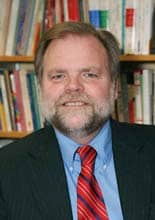
Bruce Epperly is a theologian, spiritual guide, pastor, and author of twenty one books, including Process Theology: A Guide for the Perplexed, Holy Adventure: 41 Days of Audacious Living, and The Center is Everywhere: Celtic Spirituality for the Postmodern Age. He may be reached at [email protected] for lectures, workshops, and retreats.
Patheos Explore the world's faith through different perspectives on religion and spirituality! Patheos has the views of the prevalent religions and spiritualities of the world.
Ad-Free & Subscriber Log-In Subscription Support
- About Us
- 2026 Calendar
- Videos
- Podcasts
- Library of World Religions
- Faith In Media Tracker
- Advertise With Us
- Write for Us
- Privacy Policy
- Terms of Service
- Do Not Sell My Data
- Contact Us
- Radiant Digital
- Manage Newsletter Subscriptions
- Unsubscribe From Notifications
- Sitemap
Copyright 2008-2026, Patheos, part of the Radiant Digital network of media brands. All rights reserved.
Subscription Support Ad-Free & Subscriber Log-In
Follow Patheos