
BuddhistCatholicContemplativeEvangelicalGeneral ChristianHinduJewishLatter-day SaintMuslimNew VisionsProgressive Christian
Beliefs
- Buddhist
- Catholic
- Contemplative
- Evangelical
- General Christian
- Hindu
- Jewish
- Latter-day Saint
- More Voices
- Muslim
- New Visions
- Pagan
- Progressive Christian
Topics
- Religion News
- Food and Religion
- Sports and Religion
- Religious Art
- Religious Music and Entertainment
- Religious Events
- History and Religion
- Style and Religion
- Politics and Religion
- Women in Religion
- Recreation Outdoors and Religion
- Business Finance and Religion
- Careers Workplace and Religion
- Education and Religion
- Family Parenting and Religion
- Health Fitness and Religion
- Home and Religion
- Relationships and Religion
- Technology and Religion
- Travel and Religion
Columnists
- Buddhist Columnists
- Business Finance and Religion Columnists
- Careers Workplace and Religion Columnists
- Catholic Columnists
- Contemplative Columnists
- Education and Religion Columnists
- Evangelists Columnists
- Family Parenting and Religion Columnists
- General Christian Columnists
- Health Fitness and Religion Columnists
- Hindu Columnists
- History and Religion Columnists
- Home and Religion Columnists
- Jewish Columnists
- More Voices Columnists
- Latter Day Columnists
- Muslim Columnists
- New Visions Columnists
- Nonreligious Columnists
- Pagan Columnists
- Politics and Religion Columnists
- Progressive Columnists
- Recreation Outdoors and Religion Columnists
- Relationships and Religion Columnists
- Religion News Columnists
- Religious Art Columnists
- Religious Events Columnists
- Religious Music and Entertainment Columnists
- Sports and Religion Columnists
- Style and Religion Columnists
- Technology and Religion Columnists
- Travel and Religion Columnists
- Women in Religion Columnists
Resource Library
- 2026 Calendar
- Library of World Religions
- The 100 Most Holy Places on Earth
- Patheos Answers
- Podcasts
- Videos
- Faith Leaders Database
- Anglican Episcopalian
- Bahai
- Baptist
- Buddhism
- Christianity
- Confucianism
- Eastern Orthodoxy
- Hinduism
- Holiness and Pentecostal
- ISKCON
- Islam
- Judaism
- Lutheran
- Methodist
- The Church of Jesus Christ of Latter-day Saints
- New Age
- Paganism
- Presbytarian and Reformed
- Protestantism
- Religion Behind the Scenes
- Roman Catholic
- Scientology
- Shia Islam
- Sikhism
- Sufism
- Sunni Islam
- Taoism
- Zen
- See all religions
Research Tools
 Ad-Free & Subscriber Log-In Subscription Support
Follow Patheos 

- Trending:
- Advent
- |
- Forgiveness
- |
- Thanksgiving
- |
- Election
- |
- Seasonal Holidays
- |
- Marriage
Claiming God's Healing Light: Lenten Reflections on John 9
March 29, 2011 by Bruce Epperly
Live as children of light . . . Sleeper, awake. Rise from the dead, and Christ will shine on you. ~ Ephesians 5: 8, 14
This week's Lenten practice involves claiming the healing light of God. In John 9, a man blind from birth follows Jesus' directions and miraculously regains his sight. His healing leads to controversy with the religious leaders, who cannot believe that such healing can possibly occur. But, the man persists in his affirmation, "I am the man . . . Jesus made the mud, spread it on my eyes, and said to me, 'Go to Siloam and wash.' Then I went and washed and received my sight." I am the man and I went!
His affirmative response is a far cry from the man with paralysis at the pool, who was cured after a lifetime of waiting (Jn. 5:1-18). When the religious leaders challenge his carrying a mat on the Sabbath, he places the blame on Jesus, "The man who made me well said to me, 'Take up your mat and walk.'" Just a few minutes before, when Jesus asked him, "Do you want to be made well?" he gave reasons—or perhaps excuses—for his plight, rather than declaring his desire for a healing. Put in this context, Jesus' strange words to him make psychological sense: "See, you have been made well. Do not sin again, so that nothing worse happens to you!" This sounds like a threat, connecting sin, punishment, and healing. But, I believe that it is about agency. The man at the pool had become passive, expecting others' efforts to heal him, rather than claiming his own role in the healing process. Jesus may be telling him that healing isn't easy, in fact, it's hard won, and if he doesn't claim his healing day by day, he may end up back at the pool again!
The sight-impaired man described in John 9 trusts Jesus, but he claims his role in the healing process. He claims his partnership with God: yes, Jesus healed me and I can see, but I was the one who chose to go to the pool, and I am the one who was healed, and you can't get me to say otherwise.
During Lent, we reflect on our brokenness, on the places in our lives where we need healing, and this can be painful. The challenges of mind, body, spirit, and relationships we face can seem insurmountable. Their chronic nature often stands in the way of claiming another, more joyful and healthy way of life. While healing is a process, and never fully completed, the story of the sight-impaired mind challenges us to say "yes" to God's healing invitation and work day by day to move toward God's healing light.
There are many ways to do this, and frankly I am learning them as I go along. I need God's healing to claim my strength and initiative, my power as God's beloved child, and to let go of the fear and anxiety that often clouds the most beautiful day. What I am doing to claim my role as God's partner in the healing process is, first of all, to pray for the healing I need. No need is too large or small for God's healing love. Sometimes I simply say, "God I am afraid of the future" or "I am worried about not being about to find a new position" or "I am nervous about finances" or "Help me trust my gifts" or simply "Help me." Rather than hiding from my wounds, I bring them prayerfully to light.
Second, I claim a healing affirmation to transform my mind and perspective on my life. I particularly like the following affirmations:
- Nothing can separate me from the love of God.
- I can do all things with Christ who strengthens me.
- The good work God has begun in my life, God will bring to completion, a harvest of righteousness.
- My God will supply all my needs.
- God is with me in every situation.
- I am strong in the Lord.
- God wants me to have abundant life.
I repeat these affirmations—and return to them when I'm troubled—not to deny my need of healing or my fears, but to place them in the context of God's vision for my life and the reality of God's love and resourcefulness. I repeat them to claim my agency and role in the healing process, my own and the community's.
Third, in the spirit of the Celtic caim, or encircling, I draw a circle around myself, prayerfully claiming that I am safe in God's care, regardless of the future. Wherever I am and whatever happens here, I am in God's circle of love—forever!
Finally, I claim my partnership in the healing process by choosing to be responsible for my life. I am not all-powerful, but I have enough agency to make a difference to my life and the lives of others. I claim my agency by prayerfully listening for God's call and then responding as best I can.
There are no guarantees, but when we claim God's healing light, small miracles happen: we discover our inner power, our lives change, we are less fearful, and we take the first steps that will lead to personal, professional, and relational transformation.
In conclusion, it goes without saying that claiming God's healing light is a corporate journey. We can't do it alone; we need God's presence in the healing Christ, and we also may need colleagues who support our healing and personal agency, spiritual direction, counseling, and medication. God is at work in every healing path, and asking for help is part of our own personal agency in the healing process.
3/29/2011 4:00:00 AM
Mainline Protestant
Preachers
Spiritual Practices for Preaching
Healing
Lent
Mainline Protestantism
Prayer
Preaching Resources
Sacred Texts
Christianity
more at patheos
1
Keeping the Word : Living the Word : Changing the World
2
Everybody needs a bosom for a pillow
3

4
About Bruce Epperly
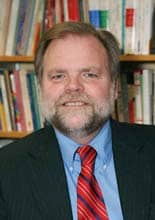
Bruce Epperly is a theologian, spiritual guide, pastor, and author of twenty one books, including Process Theology: A Guide for the Perplexed, Holy Adventure: 41 Days of Audacious Living, and The Center is Everywhere: Celtic Spirituality for the Postmodern Age. He may be reached at [email protected] for lectures, workshops, and retreats.
Patheos Explore the world's faith through different perspectives on religion and spirituality! Patheos has the views of the prevalent religions and spiritualities of the world.
Ad-Free & Subscriber Log-In Subscription Support
- About Us
- 2026 Calendar
- Videos
- Podcasts
- Library of World Religions
- Faith In Media Tracker
- Advertise With Us
- Write for Us
- Privacy Policy
- Terms of Service
- Do Not Sell My Data
- Contact Us
- Radiant Digital
- Manage Newsletter Subscriptions
- Unsubscribe From Notifications
- Sitemap
Copyright 2008-2026, Patheos, part of the Radiant Digital network of media brands. All rights reserved.
Subscription Support Ad-Free & Subscriber Log-In
Follow Patheos