
BuddhistCatholicContemplativeEvangelicalGeneral ChristianHinduJewishLatter-day SaintMuslimNew VisionsProgressive Christian
Beliefs
- Buddhist
- Catholic
- Contemplative
- Evangelical
- General Christian
- Hindu
- Jewish
- Latter-day Saint
- More Voices
- Muslim
- New Visions
- Pagan
- Progressive Christian
Topics
- Religion News
- Food and Religion
- Sports and Religion
- Religious Art
- Religious Music and Entertainment
- Religious Events
- History and Religion
- Style and Religion
- Politics and Religion
- Women in Religion
- Recreation Outdoors and Religion
- Business Finance and Religion
- Careers Workplace and Religion
- Education and Religion
- Family Parenting and Religion
- Health Fitness and Religion
- Home and Religion
- Relationships and Religion
- Technology and Religion
- Travel and Religion
Columnists
- Buddhist Columnists
- Business Finance and Religion Columnists
- Careers Workplace and Religion Columnists
- Catholic Columnists
- Contemplative Columnists
- Education and Religion Columnists
- Evangelists Columnists
- Family Parenting and Religion Columnists
- General Christian Columnists
- Health Fitness and Religion Columnists
- Hindu Columnists
- History and Religion Columnists
- Home and Religion Columnists
- Jewish Columnists
- More Voices Columnists
- Latter Day Columnists
- Muslim Columnists
- New Visions Columnists
- Nonreligious Columnists
- Pagan Columnists
- Politics and Religion Columnists
- Progressive Columnists
- Recreation Outdoors and Religion Columnists
- Relationships and Religion Columnists
- Religion News Columnists
- Religious Art Columnists
- Religious Events Columnists
- Religious Music and Entertainment Columnists
- Sports and Religion Columnists
- Style and Religion Columnists
- Technology and Religion Columnists
- Travel and Religion Columnists
- Women in Religion Columnists
Resource Library
- 2026 Calendar
- Library of World Religions
- The 100 Most Holy Places on Earth
- Patheos Answers
- Podcasts
- Videos
- Faith Leaders Database
- Anglican Episcopalian
- Bahai
- Baptist
- Buddhism
- Christianity
- Confucianism
- Eastern Orthodoxy
- Hinduism
- Holiness and Pentecostal
- ISKCON
- Islam
- Judaism
- Lutheran
- Methodist
- The Church of Jesus Christ of Latter-day Saints
- New Age
- Paganism
- Presbytarian and Reformed
- Protestantism
- Religion Behind the Scenes
- Roman Catholic
- Scientology
- Shia Islam
- Sikhism
- Sufism
- Sunni Islam
- Taoism
- Zen
- See all religions
Research Tools
 Ad-Free & Subscriber Log-In Subscription Support
Follow Patheos 

- Trending:
- Advent
- |
- Forgiveness
- |
- Thanksgiving
- |
- Election
- |
- Seasonal Holidays
- |
- Marriage
Holy Reading
February 09, 2011 by Bruce Epperly
 Preachers are called to be persons of prayer, spirit-persons who have been touched by God and have the vocation of awakening others to God's presence in their lives. Prayer awakens us to new possibilities for understanding God and our world along with its value in personal centering, connection with others, and intercessions that contribute to the overall well-being of others. (I happen to believe—though it's for another article—that prayer truly changes things and contributes energy and love to others at a distance, which can be a tipping point between health and illness of body, mind, and spirit.)
Preaching is a prayerful act from the moment we pick up the scriptures for next week's sermon or, if we are a topical preacher, choose our themes for the weeks ahead. One practice that I have found helpful in the integration of my preaching and spiritual life is the Benedictine prayer form known as lectio divina, or "holy reading."
Father Luke Dysinger of the St. Andrew's Abbey in Valyermo, California, notes that lectio divina "begins with cultivating the ability to listen deeply, to hear 'with the ear of our hearts' . . . When we read the Scriptures we should try to imitate the prophet Elijah. We should allow ourselves to become women and men who are able to listen for the still, small voice of God (1 Kgs. 19:12); the 'faint murmuring sound' which is God's word for us, God's voice touching our hearts. This gentle listening is an 'attunement' to the presence of God in that special part of God's creation which is the Scriptures."
In the traditional practice of lectio divina, we quiet our minds and hearts, so that we can read slowly and carefully, "gently listening to hear a word or phrase that is God's word for us this day." Then, we gently meditate on that word, repeating it over and over again in our mind, letting it take root in our lives. In the third step, we enter prayerfully into dialogue with God, exploring what this word or phrase means in our lives today and the wisdom God wants to communicate with us. In the fourth stage, we simply rest in God, opening to the divine movements in our lives. As Dysinger notes, "Once again we practice silence, letting go of our own words; this time simply enjoying the experience of being in the presence of God." In practicing holy reading, we don't force the scripture to fit into our way of thinking or our preconceived notions (although we can't escape our theological, denominational, and social location), but open to a deeper movement of grace that speaks in and through our thoughts, emotions, and plans. This still, small voice reveals the divine presence speaking in "sighs too deep for words" and occasionally in the interplay of divine call and human response coming to the surface of consciousness.
How might you practice lectio divina in preparing for a sermon? I suggest that early in the week, whether you choose to sit in a comfortable chair or take your sermon out for a walk, first of all find a spacious time in which to read all four lectionary passages, listening to which one speaks to you and your congregation's life. (You can use this practice on all four, but one or two scriptures would probably suffice and fit into most pastors' schedules.) Reading slowly and meditatively is the best way to begin, following God's wisdom to the "right" passage for your sermon focus.
Next, simply let the scripture soak in by reading slowly both silently and aloud. When a word, feeling, phrase, image, or piece of music emerges, just go with it . . . repeat it, sing it, dance it, visualize it, or draw it, till it becomes "yours."
Then, pray it. While this whole practice is prayerful, still take time to pause to ask God to enlighten and enliven you, to show you what this passage means in your life and the life of your congregation. Share your insights with God. Share your challenges with God. Conclude by placing your life, preaching, church, and loved ones in God's care, resting in the grace of the source of love, imagination, life, and sustenance.
Lectio divina, or holy reading, is not about performance or reaching a particular goal (even a good sermon), but experiencing God's presence in all its wonder, beauty, and inspiration. Having been touched by God, the preacher can touch her or his congregation with timely and life-transforming words.
For more on lectio divina, see "Accepting the Embrace of God: The Ancient Art of Lectio Divina" by Fr. Luke Dysinger, O.S.B and Norvene Vest, Preferring Christ: A Devotional Commentary on the Rule of St. Benedict and No Moment Too Small: Rhythms of Silence, Prayer and Holy Reading.
2/9/2011 5:00:00 AM
Mainline Protestant
Preachers
Spiritual Practices for Preaching
lectio divina
Mainline Protestantism
Prayer
Preaching Resources
Sacred Texts
Christianity
more at patheos
1
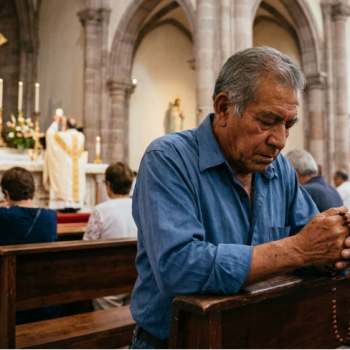
Why Faith Demands Both Dogma and Relationship
2

An Education to Boldly Go Where No Man Has Gone Before
3
God, Modern Physics, & Dark Energy: An Analogy
4

7 Signs We May Already Be Living the Apocalypse
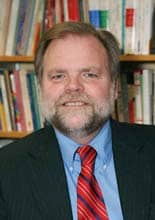
About Bruce Epperly
Bruce Epperly is a theologian, spiritual guide, pastor, and author of twenty one books, including Process Theology: A Guide for the Perplexed, Holy Adventure: 41 Days of Audacious Living, and The Center is Everywhere: Celtic Spirituality for the Postmodern Age. He may be reached at [email protected] for lectures, workshops, and retreats.
Patheos Explore the world's faith through different perspectives on religion and spirituality! Patheos has the views of the prevalent religions and spiritualities of the world.
Ad-Free & Subscriber Log-In Subscription Support
- About Us
- 2026 Calendar
- Videos
- Podcasts
- Library of World Religions
- Faith In Media Tracker
- Advertise With Us
- Write for Us
- Privacy Policy
- Terms of Service
- Do Not Sell My Data
- Contact Us
- Radiant Digital
- Manage Newsletter Subscriptions
- Unsubscribe From Notifications
- Sitemap
Copyright 2008-2026, Patheos, part of the Radiant Digital network of media brands. All rights reserved.
Subscription Support Ad-Free & Subscriber Log-In
Follow Patheos