
BuddhistCatholicContemplativeEvangelicalGeneral ChristianHinduJewishLatter-day SaintMuslimNew VisionsProgressive Christian
Beliefs
- Buddhist
- Catholic
- Contemplative
- Evangelical
- General Christian
- Hindu
- Jewish
- Latter-day Saint
- More Voices
- Muslim
- New Visions
- Pagan
- Progressive Christian
Topics
- Religion News
- Food and Religion
- Sports and Religion
- Religious Art
- Religious Music and Entertainment
- Religious Events
- History and Religion
- Style and Religion
- Politics and Religion
- Women in Religion
- Recreation Outdoors and Religion
- Business Finance and Religion
- Careers Workplace and Religion
- Education and Religion
- Family Parenting and Religion
- Health Fitness and Religion
- Home and Religion
- Relationships and Religion
- Technology and Religion
- Travel and Religion
Columnists
- Buddhist Columnists
- Business Finance and Religion Columnists
- Careers Workplace and Religion Columnists
- Catholic Columnists
- Contemplative Columnists
- Education and Religion Columnists
- Evangelists Columnists
- Family Parenting and Religion Columnists
- General Christian Columnists
- Health Fitness and Religion Columnists
- Hindu Columnists
- History and Religion Columnists
- Home and Religion Columnists
- Jewish Columnists
- More Voices Columnists
- Latter Day Columnists
- Muslim Columnists
- New Visions Columnists
- Nonreligious Columnists
- Pagan Columnists
- Politics and Religion Columnists
- Progressive Columnists
- Recreation Outdoors and Religion Columnists
- Relationships and Religion Columnists
- Religion News Columnists
- Religious Art Columnists
- Religious Events Columnists
- Religious Music and Entertainment Columnists
- Sports and Religion Columnists
- Style and Religion Columnists
- Technology and Religion Columnists
- Travel and Religion Columnists
- Women in Religion Columnists
Resource Library
- 2026 Calendar
- Library of World Religions
- The 100 Most Holy Places on Earth
- Patheos Answers
- Podcasts
- Videos
- Faith Leaders Database
- Anglican Episcopalian
- Bahai
- Baptist
- Buddhism
- Christianity
- Confucianism
- Eastern Orthodoxy
- Hinduism
- Holiness and Pentecostal
- ISKCON
- Islam
- Judaism
- Lutheran
- Methodist
- The Church of Jesus Christ of Latter-day Saints
- New Age
- Paganism
- Presbytarian and Reformed
- Protestantism
- Religion Behind the Scenes
- Roman Catholic
- Scientology
- Shia Islam
- Sikhism
- Sufism
- Sunni Islam
- Taoism
- Zen
- See all religions
Research Tools
 Ad-Free & Subscriber Log-In Subscription Support
Ad-Free & Subscriber Log-In Subscription Support
Follow Patheos 

- Trending:
- Forgiveness
- |
- Marriage
- |
- Consciousness
- |
- Death Penalty
- |
- Election
- |
- Halloween
Evangelical
Can the Fallen Church Fall to Grace?
January 28, 2011 by Timothy Dalrymple
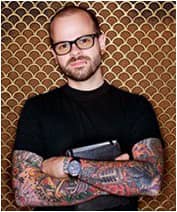 The fall of televangelist Jim Bakker and his PTL ministries was a watershed moment in the history of American evangelicalism. The Bakker ministry had achieved extraordinary success and influence, and had turned its influence to a variety of causes, many of them of unquestioned worth. Yet Bakker's fall began when it was revealed he had committed adultery with a church secretary, and later revelations disclosed the luxury the Bakkers had built around themselves while the ministry struggled with debt and accounting fraud. Bakker resigned and was replaced at PTL by Jerry Falwell, and eventually Bakker endured imprisonment and divorce. While Tammy Faye went on to other ministry ventures, Jim Bakker remarried and has remained out of the public eye.
Fall to Grace walks readers through this experience from the vantage point of the Bakkers' youngest child, Jay, and tells a classic prodigal son story in which Jay, burned and spurned by the church, sought comfort in a life of distraction but eventually returned to embrace the grace of God and even a call into ministry. Yet the God he came to know in his adulthood was not at all the God he had heard about in his youth, and the ministry to which he is called is radically different from the ministry of his parents.
Fall to Grace has been discussed in Patheos' Book Club. He spoke with Timothy Dalrymple by phone.
Let's get the parental question out of the way. What does it mean, in your mind, that you are the son of Jim and Tammy Faye?
I love my mom and dad. They've taught me a lot. I'm grateful for the way they helped me get my foot in the door. I wouldn't be where I am without them.
But now I have a new message and a new ministry. I'm trying to create my own platform to let people know about God's grace and God's love.
It's tough. I wish that my parents weren't discussed in a negative way every time I am interviewed, because of course I love them and I'm proud to be their son. Other people want to talk about their failures over twenty years ago. I just want to move forward.
After the fall of PTL, and your own disillusionment with the church, you entered a period of rebellion and experimentation. You describe this in your book. But what brought about your "fall to grace"?
I had grown up viewing God as a taskmaster who was constantly supervising your behavior. I never felt like I could live up to the expectations of God, or the expectations other Christians had for me. Christianity seemed to be about living a moral and conservative life, rather than a life of freedom, love, grace, and forgiveness.
When I was about 20, I told a friend of mine, D. E. Polk, that I thought and felt as though God hated me. He said, "You're full of shit, and here's why." He started telling me about grace.
At first I felt like it was just a compromise. I had left the church, by this point, and wanted nothing to do with it. I had hit rock bottom. I asked if he could prove to me that this was in the scriptures.
And he did. He showed me this message of grace in Paul's letters to the Romans and the Galatians. I finally began to understand what Paul was saying about grace and how it sets us free from the law of sin and death. To me, "the Law" sounded a lot like what I had experienced of Christianity, where it was always about doing the right thing. The message of grace and love came to me as a liberation. The gospel became good news again, and in that good news I found the freedom to live.
Of course, things didn't necessarily come together right away. There was a struggle. I went to a twelve-step program and worked on my drinking, and eventually I went into ministry.
Did your past ever cause you to question your calling, or your ability to be a minister of the gospel?
The part of my past that most affected my sense of calling was probably the bitterness I felt for a long time toward the church and toward Christianity in general. It seemed to me that Christians made authentic Christian living impossible. They always put in place rules and regulations that didn't make sense. I didn't want to play those games anymore. So for the first few years I was still wrestling with my anger toward the church.
That was tough. I didn't feel that the church was being what it was supposed to be. Eventually, with some good friends, I was able to leave the bitterness behind and move forward.
How did you eventually forgive the church?
One day at a time. Speaking and preaching and doing ministry out of anger wasn't helping me or anyone else. I realized that I was talking a lot about grace, but not giving grace to the church. I had to extend the same grace I had received, and I had to put this bitterness behind me in order to communicate grace to people and give them the same chance that I was given when I learned what grace meant.
Article Continued On Next Page
Page: 1 of 2
1/28/2011 5:00:00 AM
Evangelical
Book Club
Emerging Church
Mainline Protestantism
Christianity
Evangelicalism
more at patheos
1

New Beginnings Start Now - Faith Over Fear
2
Is Faith a Gift? Michael Wolter Explains Relevant Passages
3
Holy Week Services For the Archdiocese of Washington
4

Did Michael Jackson Accept Jesus Christ Before His Death?

About Timothy Dalrymple
Timothy Dalrymple is the CEO and Chief Creative Officer of Polymath Innovations, a strategic storytelling agency that advances the good with visionary organizations and brands. He leads a unique team of communicators from around North America and across the creative spectrum, serving mission-driven businesses and nonprofits who need a partner to amplify their voice and good works. Once a world-class gymnast whose career ended with a broken neck, Tim channeled his passions for faith and storytelling into his role as VP of Business Development for Patheos, helping to launch and grow the network into the world's largest religion website. He holds a Ph.D. in Religion from Harvard's Graduate School of Arts and Sciences. Tim blogs at Philosophical Fragments.
Patheos Explore the world's faith through different perspectives on religion and spirituality! Patheos has the views of the prevalent religions and spiritualities of the world.
Ad-Free & Subscriber Log-In Subscription Support
- About Us
- 2026 Calendar
- Videos
- Podcasts
- Library of World Religions
- Faith In Media Tracker
- Advertise With Us
- Write for Us
- Privacy Policy
- Terms of Service
- Do Not Sell My Data
- Contact Us
- Radiant Digital
- Manage Newsletter Subscriptions
- Unsubscribe From Notifications
- Sitemap
Copyright 2008-2026, Patheos. All rights reserved.
Subscription Support Ad-Free & Subscriber Log-In
Follow Patheos