
BuddhistCatholicContemplativeEvangelicalGeneral ChristianHinduJewishLatter-day SaintMuslimNew VisionsProgressive Christian
Beliefs
- Buddhist
- Catholic
- Contemplative
- Evangelical
- General Christian
- Hindu
- Jewish
- Latter-day Saint
- More Voices
- Muslim
- New Visions
- Pagan
- Progressive Christian
Topics
- Religion News
- Food and Religion
- Sports and Religion
- Religious Art
- Religious Music and Entertainment
- Religious Events
- History and Religion
- Style and Religion
- Politics and Religion
- Women in Religion
- Recreation Outdoors and Religion
- Business Finance and Religion
- Careers Workplace and Religion
- Education and Religion
- Family Parenting and Religion
- Health Fitness and Religion
- Home and Religion
- Relationships and Religion
- Technology and Religion
- Travel and Religion
Columnists
- Buddhist Columnists
- Business Finance and Religion Columnists
- Careers Workplace and Religion Columnists
- Catholic Columnists
- Contemplative Columnists
- Education and Religion Columnists
- Evangelists Columnists
- Family Parenting and Religion Columnists
- General Christian Columnists
- Health Fitness and Religion Columnists
- Hindu Columnists
- History and Religion Columnists
- Home and Religion Columnists
- Jewish Columnists
- More Voices Columnists
- Latter Day Columnists
- Muslim Columnists
- New Visions Columnists
- Nonreligious Columnists
- Pagan Columnists
- Politics and Religion Columnists
- Progressive Columnists
- Recreation Outdoors and Religion Columnists
- Relationships and Religion Columnists
- Religion News Columnists
- Religious Art Columnists
- Religious Events Columnists
- Religious Music and Entertainment Columnists
- Sports and Religion Columnists
- Style and Religion Columnists
- Technology and Religion Columnists
- Travel and Religion Columnists
- Women in Religion Columnists
Resource Library
- 2026 Calendar
- Library of World Religions
- The 100 Most Holy Places on Earth
- Patheos Answers
- Podcasts
- Videos
- Faith Leaders Database
- Anglican Episcopalian
- Bahai
- Baptist
- Buddhism
- Christianity
- Confucianism
- Eastern Orthodoxy
- Hinduism
- Holiness and Pentecostal
- ISKCON
- Islam
- Judaism
- Lutheran
- Methodist
- The Church of Jesus Christ of Latter-day Saints
- New Age
- Paganism
- Presbytarian and Reformed
- Protestantism
- Religion Behind the Scenes
- Roman Catholic
- Scientology
- Shia Islam
- Sikhism
- Sufism
- Sunni Islam
- Taoism
- Zen
- See all religions
Research Tools
 Ad-Free & Subscriber Log-In Subscription Support
Follow Patheos 

- Trending:
- Advent
- |
- Forgiveness
- |
- Thanksgiving
- |
- Election
- |
- Seasonal Holidays
- |
- Marriage
Lost and Found: Reflections on Sunday's Scriptures
September 01, 2010 by Bruce Epperly
By Bruce Epperly
 Reflections on the scripture texts for Sunday, September 12, 2010
- Jeremiah 4:11-12, 22-28
- Psalm 14
- 1 Timothy 1:12-17
- Luke 15:1-10
Prophetic words are difficult words to hear and also to speak. We often deny the impact of our actions or assume that everything is going to be all right, despite our inaction or failure to remedy dangerous situations. Prophets are seldom popular because the truth hurts, even when the truth is good for us. Even the presentation of a creative and life-giving alternative can be threatening to those whose power depends on the status quo. Yet, grace can emerge unexpectedly when we open to the whole of life -- recognizing our waywardness and disease can be the prelude to healing.
The divine indictment, described in Jeremiah, is severe -- the people are foolish, stupid, immature, ignorant, and malevolent. The only thing they don't excel in is good works. Their behavior has led, and continues to lead, to serious consequences for themselves and others -- to chaos, destruction, and desolation, indeed, to the undoing of creation as the balance of order and novelty, described in Genesis. All creation will suffer as a result of their waywardness.
We would do well to be convicted as we read these words from Jeremiah. The people of Israel lived in denial and so do we. The patient (person, nation) has a life-threatening illness, but acts as if nothing is wrong and that things can, and will, continue indefinitely as they were. The symptoms were obvious for Jeremiah's uncomfortable listeners and they ought to be obvious for us. Oil spills and drifting icebergs tell us that all is not well with the planet. The rise of states' rights movements, tea partiers, militia, and racism, not to mention corporate greed, executive bonuses, and scorched earth politics signal that the body politic in which the many are joined as one is diseased and may not recover, and yet we act as if life is going on as usual. We figure that if we take care of ourselves and our family, abandon the vulnerable as economic nuisances contributing to deficit spending, and stay out of the way, we will escape the gathering storm.
But, denial leads to destruction; those who shout loudest for the old ways today deep down know that time is not on their side. The world -- indeed, the divine -- is leading us past individualism and self-interest. Only clear-eyed and heart-felt confession of the way things are -- acceptance of our condition personally and corporately -- can "save us," or at least improve our chances of survival. In turning away from God's vision of Shalom, we have turned away from divine possibility and healing.
The question is: Is it too late to have a change of heart? Do we still have time to turn back to God and God's ways of justice? Will such turning open the door for life-transforming and life-saving possibilities and the energy to achieve them? Jeremiah's listeners did not know the answer to these questions, and, frankly, neither do we! The earth and the nation are in the balance, and we pray that our confession of our situation and willingness to change our ways will tip the balance toward health and wholeness for our churches, communities, nation, and planet. The good news here is that when we receive the diagnosis of our corporate, personal, or physical ailments, there is now the chance for a life-saving remedy!
Psalm 14 convicts all humankind of going astray. We are all "practical atheists"; even those who claim to be believers say in their hearts "there is no God." Our values betray our ultimate concern, and justice and care for the vulnerable seems low on our list of priorities. Yet, restoration is possible for those who turn to God and follow the pathways of justice.
The authorof 1 Timothy provides a ray of hope for those who have strayed: even the vilest of all -- the author, speaking in the voice of the apostle Paul -- received God's saving, transforming, and empowering grace. Paul invokes the possibility that sin is not primarily a matter of willfulness, but ignorance. His words sound like those of Plato's Socrates who asserted that no one willingly does wrong. Could that also be the case for us: if we truly knew God's vision, we would follow it? Are only the ignorant subject to grace, or do those who also willfully commit evil receive God's unmerited grace?
While the author of 1 Timothy does not enter into the psychology or sociology of sin, the implication of his words is that sin is not simply a matter of will, but that our sinful behaviors and responses arise from the interplay of many causes -- social location, environment, family of origin, trauma, even DNA. Sin as a social and complex phenomenon does not eliminate the need for grace, but in fact makes grace more essential. We are born into unjust social structures and imperfect families and these factors may shape how respond to life unless we experience the grace of challenge, of new ideas, of forgiveness, of a larger perspective. The sins of racism, sexism, and homocentrism, for example, cannot be cured entirely by an act of will but require the grace of synchronous encounters, mentors, challenging literature, and social and legal transformation. We did not get into this mess entirely on our own, and our liberation requires the grace of many factors, most especially the God who works within and inspires saving encounters. The good news is that God is on our side, on all of our sides: Christ Jesus, the revelation of God's character, came into the world to save sinners!
Article Continued On Next Page
Page: 1 of 2
9/1/2010 4:00:00 AM
Mainline Protestant
Sacred Texts
Christianity
more at patheos
1
How Does Mishpâṭ Connect The Kennedy Center & Yom Kippur?
2
Who Was Qohelet? The Mystery Behind Ecclesiastes
3
Bryce Crawford and Kenneth Copeland Sat Down for a Podcast
4

Two Smoking Wands: A Witchfest Mystery Romance
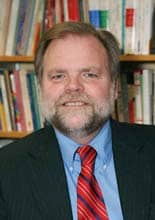
About Bruce Epperly
Bruce Epperly is a theologian, spiritual guide, pastor, and author of twenty one books, including Process Theology: A Guide for the Perplexed, Holy Adventure: 41 Days of Audacious Living, and The Center is Everywhere: Celtic Spirituality for the Postmodern Age. He may be reached at [email protected] for lectures, workshops, and retreats.
Patheos Explore the world's faith through different perspectives on religion and spirituality! Patheos has the views of the prevalent religions and spiritualities of the world.
Ad-Free & Subscriber Log-In Subscription Support
- About Us
- 2026 Calendar
- Videos
- Podcasts
- Library of World Religions
- Faith In Media Tracker
- Advertise With Us
- Write for Us
- Privacy Policy
- Terms of Service
- Do Not Sell My Data
- Contact Us
- Radiant Digital
- Manage Newsletter Subscriptions
- Unsubscribe From Notifications
- Sitemap
Copyright 2008-2026, Patheos, part of the Radiant Digital network of media brands. All rights reserved.
Subscription Support Ad-Free & Subscriber Log-In
Follow Patheos