
BuddhistCatholicContemplativeEvangelicalGeneral ChristianHinduJewishLatter-day SaintMuslimNew VisionsProgressive Christian
Beliefs
- Buddhist
- Catholic
- Contemplative
- Evangelical
- General Christian
- Hindu
- Jewish
- Latter-day Saint
- More Voices
- Muslim
- New Visions
- Pagan
- Progressive Christian
Topics
- Religion News
- Food and Religion
- Sports and Religion
- Religious Art
- Religious Music and Entertainment
- Religious Events
- History and Religion
- Style and Religion
- Politics and Religion
- Women in Religion
- Recreation Outdoors and Religion
- Business Finance and Religion
- Careers Workplace and Religion
- Education and Religion
- Family Parenting and Religion
- Health Fitness and Religion
- Home and Religion
- Relationships and Religion
- Technology and Religion
- Travel and Religion
Columnists
- Buddhist Columnists
- Business Finance and Religion Columnists
- Careers Workplace and Religion Columnists
- Catholic Columnists
- Contemplative Columnists
- Education and Religion Columnists
- Evangelists Columnists
- Family Parenting and Religion Columnists
- General Christian Columnists
- Health Fitness and Religion Columnists
- Hindu Columnists
- History and Religion Columnists
- Home and Religion Columnists
- Jewish Columnists
- More Voices Columnists
- Latter Day Columnists
- Muslim Columnists
- New Visions Columnists
- Nonreligious Columnists
- Pagan Columnists
- Politics and Religion Columnists
- Progressive Columnists
- Recreation Outdoors and Religion Columnists
- Relationships and Religion Columnists
- Religion News Columnists
- Religious Art Columnists
- Religious Events Columnists
- Religious Music and Entertainment Columnists
- Sports and Religion Columnists
- Style and Religion Columnists
- Technology and Religion Columnists
- Travel and Religion Columnists
- Women in Religion Columnists
Resource Library
- 2026 Calendar
- Library of World Religions
- The 100 Most Holy Places on Earth
- Patheos Answers
- Podcasts
- Videos
- Faith Leaders Database
- Anglican Episcopalian
- Bahai
- Baptist
- Buddhism
- Christianity
- Confucianism
- Eastern Orthodoxy
- Hinduism
- Holiness and Pentecostal
- ISKCON
- Islam
- Judaism
- Lutheran
- Methodist
- The Church of Jesus Christ of Latter-day Saints
- New Age
- Paganism
- Presbytarian and Reformed
- Protestantism
- Religion Behind the Scenes
- Roman Catholic
- Scientology
- Shia Islam
- Sikhism
- Sufism
- Sunni Islam
- Taoism
- Zen
- See all religions
Research Tools
 Ad-Free & Subscriber Log-In Subscription Support
Follow Patheos 

- Trending:
- Advent
- |
- Forgiveness
- |
- Thanksgiving
- |
- Election
- |
- Seasonal Holidays
- |
- Marriage
Reiki Healing Touch: Prayer with Your Hands
May 27, 2010 by Bruce Epperly
By Bruce Epperly
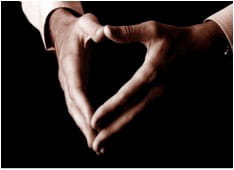 Spirituality takes many forms -- silence, breath prayer, visualization, and healing touch. In addition to my daily practices of centering, walking, and breath prayer, for more than twenty years I have practiced a form of healing touch, known as Reiki. Reiki has become an essential part of my prayer life and a way that I can reach out to others in a loving way. When I practice Reiki, whether hands-on or at a distance, I embody Jesus' healing ministry in the 21st century.
Reiki, or universal energy, has its origins in the healing work of Mikao Usui, whose mystical experiences enabled him to discover a way to mediate divine healing energy. The origins of Reiki are uncertain: some narratives maintain that Usui was a Christian who sought to recover the healings of Jesus for the modern world; others believe that Usui was a Buddhist and that his connection with Christianity was intended to make Reiki more palatable to Westerners in the wake of World War II.
Regardless of its origins, Reiki healing energy is as old as creation. I believe Reiki joins East and West in the quest for a holistic spirituality for our time. My text (written with Kate Epperly), Reiki Healing Touch and the Way of Jesus, seeks to integrate Christian healing and Reiki healing touch. I was inspired to write this book in order to enable pastors and Christians to join their spiritual lives as Christians with their personal practice of Reiki.
Reiki is "still touch" or hands-on healing, similar to the liturgical practice of "laying on of hands." When I lay hands on a person in the spirit of Reiki, the healing energy of the universe, revealed in Jesus' healing ministry, is awakened in others and myself. While Reiki practitioners speak of the energy flowing from one person to another, the energy of love, God's healing energy, is present in all things. God's healing energy is the reality in which "we live and move and have our being" (Acts 17:28). Moving through all things, it can be focused to promote the well-being of ourselves and others.
Jesus once said, "I am the vine and you are the branches . . . connected to me, you will bear much fruit" (Jn. 15:1-9). Jesus transformed persons by his touch, and we can be God's partners through divine energy, mediated through Reiki healing touch. When I practice Reiki, I experience God's energy flowing in and through me, bringing wholeness to others and to myself.
In addition to hands-on Reiki, I give Reiki from a distance. In the spirit of "quantum entanglement," distant Reiki witnesses to the interconnectedness of God and all life in the body of Christ. I share God's healing energy with persons across the globe to aid their healing in mind, body, spirit, and relationship. Reiki connects us, as members of the "divine vine," regardless of how far away we may be. God's energy of love flows through us and through all things, giving birth to whole persons and whole communities.
In the hospital setting, Reiki provides comfort, reassurance, and connection, and enhances the patient's sense of well-being. Reiki often reduces the side effects of medical interventions and promotes the well-being of those who receive treatments. I regularly give Reiki healing touch to persons receiving chemotherapy treatments as a way of promoting healing and reducing the symptoms of chemotherapy.
Reiki is a way of life. I give myself a Reiki treatment as a daily practice in order to promote feelings of wholeness, peace, and physical well-being. When I give myself a Reiki treatment, I feel myself connected to God's ever-present healing energy.
Reiki has an ethical side. Persons who are attuned to Reiki make a commitment to use their bodies -- and their hands -- only in healing ways. Those who practice Reiki commit themselves to practicing peace and being God's partners in healing the earth.
As a spirit-centered progressive Christian, I believe wherever there is truth and healing, God is its source. God heals through prayer, liturgical laying on of hands, and anointing with oil; and God also heals through Reiki healing touch.
5/27/2010 4:00:00 AM
Body
Healing
Health
Buddhism
Christianity
more at patheos
1
Two Women Doctors Who Went Against the Current
2
The Order We Did Not Make: The World We Received
3

4

What Does 'Ēl Mean For Iran & Wildfires?

About Bruce Epperly
Bruce Epperly is a theologian, spiritual guide, pastor, and author of twenty one books, including Process Theology: A Guide for the Perplexed, Holy Adventure: 41 Days of Audacious Living, and The Center is Everywhere: Celtic Spirituality for the Postmodern Age. He may be reached at [email protected] for lectures, workshops, and retreats.
Patheos Explore the world's faith through different perspectives on religion and spirituality! Patheos has the views of the prevalent religions and spiritualities of the world.
Ad-Free & Subscriber Log-In Subscription Support
- About Us
- 2026 Calendar
- Videos
- Podcasts
- Library of World Religions
- Faith In Media Tracker
- Advertise With Us
- Write for Us
- Privacy Policy
- Terms of Service
- Do Not Sell My Data
- Contact Us
- Radiant Digital
- Manage Newsletter Subscriptions
- Unsubscribe From Notifications
- Sitemap
Copyright 2008-2026, Patheos, part of the Radiant Digital network of media brands. All rights reserved.
Subscription Support Ad-Free & Subscriber Log-In
Follow Patheos