
BuddhistCatholicContemplativeEvangelicalGeneral ChristianHinduJewishLatter-day SaintMuslimNew VisionsProgressive Christian
Beliefs
- Buddhist
- Catholic
- Contemplative
- Evangelical
- General Christian
- Hindu
- Jewish
- Latter-day Saint
- More Voices
- Muslim
- New Visions
- Pagan
- Progressive Christian
Topics
- Religion News
- Food and Religion
- Sports and Religion
- Religious Art
- Religious Music and Entertainment
- Religious Events
- History and Religion
- Style and Religion
- Politics and Religion
- Women in Religion
- Recreation Outdoors and Religion
- Business Finance and Religion
- Careers Workplace and Religion
- Education and Religion
- Family Parenting and Religion
- Health Fitness and Religion
- Home and Religion
- Relationships and Religion
- Technology and Religion
- Travel and Religion
Columnists
- Buddhist Columnists
- Business Finance and Religion Columnists
- Careers Workplace and Religion Columnists
- Catholic Columnists
- Contemplative Columnists
- Education and Religion Columnists
- Evangelists Columnists
- Family Parenting and Religion Columnists
- General Christian Columnists
- Health Fitness and Religion Columnists
- Hindu Columnists
- History and Religion Columnists
- Home and Religion Columnists
- Jewish Columnists
- More Voices Columnists
- Latter Day Columnists
- Muslim Columnists
- New Visions Columnists
- Nonreligious Columnists
- Pagan Columnists
- Politics and Religion Columnists
- Progressive Columnists
- Recreation Outdoors and Religion Columnists
- Relationships and Religion Columnists
- Religion News Columnists
- Religious Art Columnists
- Religious Events Columnists
- Religious Music and Entertainment Columnists
- Sports and Religion Columnists
- Style and Religion Columnists
- Technology and Religion Columnists
- Travel and Religion Columnists
- Women in Religion Columnists
Resource Library
- 2026 Calendar
- Library of World Religions
- The 100 Most Holy Places on Earth
- Patheos Answers
- Podcasts
- Videos
- Faith Leaders Database
- Anglican Episcopalian
- Bahai
- Baptist
- Buddhism
- Christianity
- Confucianism
- Eastern Orthodoxy
- Hinduism
- Holiness and Pentecostal
- ISKCON
- Islam
- Judaism
- Lutheran
- Methodist
- The Church of Jesus Christ of Latter-day Saints
- New Age
- Paganism
- Presbytarian and Reformed
- Protestantism
- Religion Behind the Scenes
- Roman Catholic
- Scientology
- Shia Islam
- Sikhism
- Sufism
- Sunni Islam
- Taoism
- Zen
- See all religions
Research Tools
 Ad-Free & Subscriber Log-In Subscription Support
Ad-Free & Subscriber Log-In Subscription Support
Follow Patheos 

- Trending:
- Forgiveness
- |
- Marriage
- |
- Consciousness
- |
- Death Penalty
- |
- Election
- |
- Halloween
A New Kind of Christianity
March 22, 2010 by Deborah Arca
An Interview with Brian McLaren
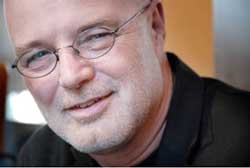 On a recent Friday night at Montview Presbyterian Church in Denver, CO, I joined a sanctuary full of progressive mainline Protestants and a smattering of young evangelicals, Catholics and agnostics to listen to a lecture by "one of America's 25 most influential evangelicals" (Time Magazine). Brian McLaren, one of the leading voices of the Emergent Church movement, was in town promoting his latest book, A New Kind of Christianity: Ten Questions that Are Transforming the Faith and clearly winning fans across theological divides with his honest probing and unconventional discussion of the central questions of our faith*.* Challenging the traditional assumptions around core Christian beliefs and advocating a dynamic discipleship that is more about the questions than the answers, this evangelical pastor-turned-author is preaching a compelling message for the future of Christianity that is building bridges across religious divides within the Church and beyond.
I spoke with McLaren recently about his "new kind of Christianity" and the exciting convergence of thought it represents, as well as what mainliners and evangelicals can learn from each other, the importance of inter-religious dialogue, his evangelical critics, the spiritual practices that keep him grounded, and signs of hope in the mainline church.
You self-identify as an evangelical, yet pack church halls and auditoriums with mainline Protestants, Catholics, agnostics, and seekers. Why do you attract such a diverse audience? What is it in your message that seems to resonate with so many?
My background is evangelical, but I believe there is a powerful convergence happening -- what I would call progressive evangelicals (or post-evangelicals) coming together with post-liberal mainliners and progressive (or Vatican II) Catholics. And many of the "spiritual but not religious" are finding hope and support in this convergence as well. I hope my work can foster this convergence, because I believe our future together can be so much more rich and vigorous than our divided past has been.
Your earlier book, A New Kind of Christian, was an exploration of your faith journey and the personal questions you were struggling with. Your new book seems more directed to the Church, with a compelling list of ten questions facing today's communities of faith. What prompted this shift from the individual to the corporate question?
In my travels, I've realized more and more that monumental questions are being raised by two groups of people I care about a great deal. First there are people outside the church who are trying to get in -- not into organized religion, per se, but into a truly spiritual life and an authentic community of faith. But these questions are obstructing their path. Then there are people inside the church who are on their way out unless they get answers to these questions. These questions are so much deeper than the church-pragmatics we normally talk about -- styles of music, styles of preaching, styles of leadership, and so on. So it became clear to me that I might be able to help by articulating these questions and encouraging folks to address them openly and, I hope, charitably and intelligently as well.
You talk about questions being more important than beliefs in your new book. Why do you say that? What does faith mean to you?
If my beliefs are static, then in a sense I will never apprehend more of the truth than I do now. But if my beliefs are continually challenged by questions, then my religion can be more than a list of static beliefs: it can be a life of faith, a life of discovery and exploration. This idea of ongoing, lifelong growth is inherent in the word "disciple"; as I understand it, a disciple isn't a know-it-all -- he or she is a learner. And questions fuel the blessed unrest that keeps us learning, growing, moving forward.
One of the most radical propositions in your new book is the shift in our starting point for approaching the Bible. You challenge the traditional narrative lens -- the "Story" of the Bible as being primarily the Garden of Eden, the Fall, Salvation, and Heaven or Hell -- as not only be misguided, but as much too small of a story for what the Bible really offers. What are we missing by reading the Bible with the first narrative lens?
Article Continued On Next Page
Page: 1 of 5
3/22/2010 4:00:00 AM
Christianity
Protestantism
Evangelicalism
more at patheos
1

2

3

AI Job Diffusion Is Outrunning Every Tech Wave Before It
4

Two Smoking Wands: A Witchfest Mystery Romance

About Deborah Arca
Deborah Arca is the former Director of Content at Patheos. Prior to joining Patheos, Deborah managed the Programs in Christian Spirituality at the San Francisco Theological Seminary, including the Program's renowned spiritual direction program and the nationally-renowned Lilly-funded Youth Ministry & Spirituality Project. Deborah has also been a youth minister, a director of music and theatre programs for children and teens, and a music minister. Deborah belongs to a progressive United Church of Christ church in Englewood, CO.
Patheos Explore the world's faith through different perspectives on religion and spirituality! Patheos has the views of the prevalent religions and spiritualities of the world.
Ad-Free & Subscriber Log-In Subscription Support
- About Us
- 2026 Calendar
- Videos
- Podcasts
- Library of World Religions
- Faith In Media Tracker
- Advertise With Us
- Write for Us
- Privacy Policy
- Terms of Service
- Do Not Sell My Data
- Contact Us
- Radiant Digital
- Manage Newsletter Subscriptions
- Unsubscribe From Notifications
- Sitemap
Copyright 2008-2026, Patheos. All rights reserved.
Subscription Support Ad-Free & Subscriber Log-In
Follow Patheos