
BuddhistCatholicContemplativeEvangelicalGeneral ChristianHinduJewishLatter-day SaintMuslimNew VisionsProgressive Christian
Beliefs
- Buddhist
- Catholic
- Contemplative
- Evangelical
- General Christian
- Hindu
- Jewish
- Latter-day Saint
- More Voices
- Muslim
- New Visions
- Pagan
- Progressive Christian
Topics
- Religion News
- Food and Religion
- Sports and Religion
- Religious Art
- Religious Music and Entertainment
- Religious Events
- History and Religion
- Style and Religion
- Politics and Religion
- Women in Religion
- Recreation Outdoors and Religion
- Business Finance and Religion
- Careers Workplace and Religion
- Education and Religion
- Family Parenting and Religion
- Health Fitness and Religion
- Home and Religion
- Relationships and Religion
- Technology and Religion
- Travel and Religion
Columnists
- Buddhist Columnists
- Business Finance and Religion Columnists
- Careers Workplace and Religion Columnists
- Catholic Columnists
- Contemplative Columnists
- Education and Religion Columnists
- Evangelists Columnists
- Family Parenting and Religion Columnists
- General Christian Columnists
- Health Fitness and Religion Columnists
- Hindu Columnists
- History and Religion Columnists
- Home and Religion Columnists
- Jewish Columnists
- More Voices Columnists
- Latter Day Columnists
- Muslim Columnists
- New Visions Columnists
- Nonreligious Columnists
- Pagan Columnists
- Politics and Religion Columnists
- Progressive Columnists
- Recreation Outdoors and Religion Columnists
- Relationships and Religion Columnists
- Religion News Columnists
- Religious Art Columnists
- Religious Events Columnists
- Religious Music and Entertainment Columnists
- Sports and Religion Columnists
- Style and Religion Columnists
- Technology and Religion Columnists
- Travel and Religion Columnists
- Women in Religion Columnists
Resource Library
- 2026 Calendar
- Library of World Religions
- The 100 Most Holy Places on Earth
- Patheos Answers
- Podcasts
- Videos
- Faith Leaders Database
- Anglican Episcopalian
- Bahai
- Baptist
- Buddhism
- Christianity
- Confucianism
- Eastern Orthodoxy
- Hinduism
- Holiness and Pentecostal
- ISKCON
- Islam
- Judaism
- Lutheran
- Methodist
- The Church of Jesus Christ of Latter-day Saints
- New Age
- Paganism
- Presbytarian and Reformed
- Protestantism
- Religion Behind the Scenes
- Roman Catholic
- Scientology
- Shia Islam
- Sikhism
- Sufism
- Sunni Islam
- Taoism
- Zen
- See all religions
Research Tools
 Ad-Free & Subscriber Log-In Subscription Support
Ad-Free & Subscriber Log-In Subscription Support
Follow Patheos 

- Trending:
- Forgiveness
- |
- Marriage
- |
- Consciousness
- |
- Death Penalty
- |
- Election
- |
- Halloween
Make Love, Not War
March 23, 2010 by Beth Davies-Stofka
Kent shines fresh and important light on the ways in which these movements appealed to politically conscious and frustrated young people. The most moving section to me was his interview with Tom Wolfe (not the author). Wolfe was part of the student delegation from the University of Pennsylvania to the May Day demonstration in Washington, D.C. in 1971. The protestors planned to bring traffic to a halt by sitting in the streets. Wolfe and his fellow students decided to form the Doughnut Brigade and spend the day handing out coffee and doughnuts to everyone -- demonstrators, police, National Guardsmen, people stuck in their cars, etc. They wanted to spend the day helping people keep their tempers, and putting them in a good mood.
But the day quickly turned violent. Protestors were beaten and gassed while agents provocateurs attempted to start riots. Wolfe paints in vivid terms his experience at the D.C. sit-in:
I just remember marines dropping out of helicopters with the Washington Monument in the background...[with] M-15, or whatever, attack rifles across their chest[s]. There was a full military maneuver. I mean, they didn't fool around. They arrested eight thousand people very fast, but they had, you know, National Guard out there on maneuvers in Washington, D.C. But I just -- I remember that scene particularly vividly because it was war, and I really realized that this was not the arena I chose to express myself in because it was so out of control, particularly the incident with the provocateurs, and then the -- I mean, full battle. I mean, this is helmets and attack fatigues and, I mean, it was war. It didn't matter what we felt about it....Their perception of it was that the nation's capital was under siege. (p. 89)
Wolfe and the rest of the Doughnut Brigade were arrested. By the end of three days, more than twelve thousand people had been arrested and detained in the Washington Coliseum. Like so many of his fellow activists, Wolfe concluded that war was not what he wanted. He describes feeling at loose ends, searching for direction, when he accompanied some friends to the international Meher Baba center in Myrtle Beach. Over time, Wolfe stopped thinking of himself as "political," giving himself over to God instead.
After the violence of 1970 and 1971, so many activists felt uncomfortable and alienated. Violence went directly against their central thesis, that it was better to make love than war. Their nonviolent tactics seemed to have no authority over the actions of the police and the National Guard. In some corners of the Movement, direct action was becoming more violent in response. Unsure how many more times they could risk their safety and well-being, thousands sought other means of changing the world. When they found religion, they didn't abandon their goals. They adopted new strategies. Still wanting to change the world, they started to believe they could do it through introspection, and a transformation of their inner selves.
Kent reveals all of this fascinating material with empathy and eloquence. Yet he is a merciless researcher. In his lengthy conclusions, he offers numerous perceptive observations on the authoritarianism, sexism, and inherent corruption of some of these religions, offering a cautionary note that should draw the attention of today's parents and young people.
Since I'm just a little bit younger than the 60s generation, by the time I started high school (1976) my peers and I were perfect targets for some of these movements, which are always on the lookout for new adherents. It occurs to me that it was a good thing that I regarded all religious people with unmitigated scorn. It may have been an arrogant attitude, but it kept me safe. After all, we teenagers were still so angry. Adults still weren't listening to us.
Are we listening now? If you want to "Teach Your Children Well," read this book with them, and listen to them. They are still our best resource for building a better world.
Beth Davies-Stofka teaches courses on comparative religion and the philosophy of religion. She has also been an online columnist and critic and contributes regularly to the Patheos site.
Page: 2 of 2
3/23/2010 4:00:00 AM
History
Media
politics
Society
Worship
more at patheos
1
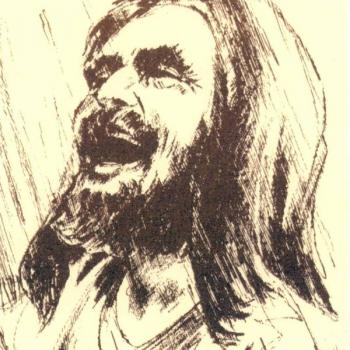
Making the Truth Laugh: An April Fools Day Reflection
2

The Philosophical Basis of Woke Academia
3

Awakening Your Soul in the Second Half of Life
4

How Does Ḥōšeḵ Connect 9/11 & Saudi Arabia?

About Beth Davies-Stofka
Beth Davies-Stofka teaches courses on comparative religion and the philosophy of religion. Her teaching and research focus in two areas: the challenges that violence and human suffering present to theological ethics, and explorations of philosophy and...
Patheos Explore the world's faith through different perspectives on religion and spirituality! Patheos has the views of the prevalent religions and spiritualities of the world.
Ad-Free & Subscriber Log-In Subscription Support
- About Us
- 2026 Calendar
- Videos
- Podcasts
- Library of World Religions
- Faith In Media Tracker
- Advertise With Us
- Write for Us
- Privacy Policy
- Terms of Service
- Do Not Sell My Data
- Contact Us
- Radiant Digital
- Manage Newsletter Subscriptions
- Unsubscribe From Notifications
- Sitemap
Copyright 2008-2026, Patheos. All rights reserved.
Subscription Support Ad-Free & Subscriber Log-In
Follow Patheos