
BuddhistCatholicContemplativeEvangelicalGeneral ChristianHinduJewishLatter-day SaintMuslimNew VisionsProgressive Christian
Beliefs
- Buddhist
- Catholic
- Contemplative
- Evangelical
- General Christian
- Hindu
- Jewish
- Latter-day Saint
- More Voices
- Muslim
- New Visions
- Pagan
- Progressive Christian
Topics
- Religion News
- Food and Religion
- Sports and Religion
- Religious Art
- Religious Music and Entertainment
- Religious Events
- History and Religion
- Style and Religion
- Politics and Religion
- Women in Religion
- Recreation Outdoors and Religion
- Business Finance and Religion
- Careers Workplace and Religion
- Education and Religion
- Family Parenting and Religion
- Health Fitness and Religion
- Home and Religion
- Relationships and Religion
- Technology and Religion
- Travel and Religion
Columnists
- Buddhist Columnists
- Business Finance and Religion Columnists
- Careers Workplace and Religion Columnists
- Catholic Columnists
- Contemplative Columnists
- Education and Religion Columnists
- Evangelists Columnists
- Family Parenting and Religion Columnists
- General Christian Columnists
- Health Fitness and Religion Columnists
- Hindu Columnists
- History and Religion Columnists
- Home and Religion Columnists
- Jewish Columnists
- More Voices Columnists
- Latter Day Columnists
- Muslim Columnists
- New Visions Columnists
- Nonreligious Columnists
- Pagan Columnists
- Politics and Religion Columnists
- Progressive Columnists
- Recreation Outdoors and Religion Columnists
- Relationships and Religion Columnists
- Religion News Columnists
- Religious Art Columnists
- Religious Events Columnists
- Religious Music and Entertainment Columnists
- Sports and Religion Columnists
- Style and Religion Columnists
- Technology and Religion Columnists
- Travel and Religion Columnists
- Women in Religion Columnists
Resource Library
- 2026 Calendar
- Library of World Religions
- The 100 Most Holy Places on Earth
- Patheos Answers
- Podcasts
- Videos
- Faith Leaders Database
- Anglican Episcopalian
- Bahai
- Baptist
- Buddhism
- Christianity
- Confucianism
- Eastern Orthodoxy
- Hinduism
- Holiness and Pentecostal
- ISKCON
- Islam
- Judaism
- Lutheran
- Methodist
- The Church of Jesus Christ of Latter-day Saints
- New Age
- Paganism
- Presbytarian and Reformed
- Protestantism
- Religion Behind the Scenes
- Roman Catholic
- Scientology
- Shia Islam
- Sikhism
- Sufism
- Sunni Islam
- Taoism
- Zen
- See all religions
Research Tools
 Ad-Free & Subscriber Log-In Subscription Support
Follow Patheos 

- Trending:
- Advent
- |
- Forgiveness
- |
- Thanksgiving
- |
- Election
- |
- Seasonal Holidays
- |
- Marriage
Progressive Christian
This Ain't About God...Directly at Least: Reflections on "Song of Solomon" 2:8-13
August 24, 2015 by John Holbert
A closer reading of the most beautiful song may in fact be very useful here. In 1977, in her important book, God and the Rhetoric of Sexuality, Phyllis Trible wrote a chapter on this book entitled "Love's Lyrics Redeemed." The title referred to the dangerous and misused readings of Genesis 2-3 that had served the power of men and denigrated the power of women. But in the most beautiful song, she said, that has been redeemed, changed, altered toward the way of equality. A simple and straightforward reading of Song of Songs 2:8-3:5 makes the point.
At 2:8-9 the woman speaks of the power and beauty of her man, who is like a gazelle, "leaping upon the mountains." That man then speaks at verses 10-11: "Arise, my love, my fair one, and come away; for now the winter is past, the rain is over and gone. The flowers appear on the earth; the time of singing has come." But the woman is far from one merely acted upon. In chapter three, she becomes the actor, rising from her bed, searching eagerly for her beloved man, rushing through the streets of the city. Indeed, when she finds him at last she "held him and would not let him go until I brought him into my mother's house, and into the chamber of her that conceived me" (S. of S. 3:4). It takes little imagination to know what will now happen between these lovers as they find themselves alone on the very bed where the conception of the woman has occurred. And their tryst has been initiated and consummated by the actions of the woman.
If a reader will keep this human equality of activity in mind while reading the remainder of this extraordinary book, perhaps the book could play the role that Trible hoped for it — that of a book that celebrates the wonders of sexual love, but even more redeems the patriarchy and hierarchy that permeates too much of the Bible that we read. I hope that this little known and little read book may play that role for you and for your congregation.
Page: 2 of 2
12/2/2022 9:10:38 PM
Sacred Texts
Preachers
Progressive Christian
Opening The Old Testament
Marriage
Progressive Christianity
Sexuality
Christianity
Protestantism
more at patheos
1
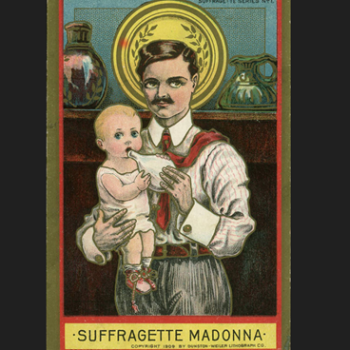
Is Complementarianism Misogyny?
2

3

3 Questions You Should Always Ask When Reading the Bible
4

Two Rooms: What Peer Pressure Reveals about Devotion

About John Holbert
John C. Holbert is the Lois Craddock Perkins Professor Emeritus of Homiletics at Perkins School of Theology in Dallas, TX.
Patheos Explore the world's faith through different perspectives on religion and spirituality! Patheos has the views of the prevalent religions and spiritualities of the world.
Ad-Free & Subscriber Log-In Subscription Support
- About Us
- 2026 Calendar
- Videos
- Podcasts
- Library of World Religions
- Faith In Media Tracker
- Advertise With Us
- Write for Us
- Privacy Policy
- Terms of Service
- Do Not Sell My Data
- Contact Us
- Radiant Digital
- Manage Newsletter Subscriptions
- Unsubscribe From Notifications
- Sitemap
Copyright 2008-2026, Patheos, part of the Radiant Digital network of media brands. All rights reserved.
Subscription Support Ad-Free & Subscriber Log-In
Follow Patheos