
BuddhistCatholicContemplativeEvangelicalGeneral ChristianHinduJewishLatter-day SaintMuslimNew VisionsProgressive Christian
Beliefs
- Buddhist
- Catholic
- Contemplative
- Evangelical
- General Christian
- Hindu
- Jewish
- Latter-day Saint
- More Voices
- Muslim
- New Visions
- Pagan
- Progressive Christian
Topics
- Religion News
- Food and Religion
- Sports and Religion
- Religious Art
- Religious Music and Entertainment
- Religious Events
- History and Religion
- Style and Religion
- Politics and Religion
- Women in Religion
- Recreation Outdoors and Religion
- Business Finance and Religion
- Careers Workplace and Religion
- Education and Religion
- Family Parenting and Religion
- Health Fitness and Religion
- Home and Religion
- Relationships and Religion
- Technology and Religion
- Travel and Religion
Columnists
- Buddhist Columnists
- Business Finance and Religion Columnists
- Careers Workplace and Religion Columnists
- Catholic Columnists
- Contemplative Columnists
- Education and Religion Columnists
- Evangelists Columnists
- Family Parenting and Religion Columnists
- General Christian Columnists
- Health Fitness and Religion Columnists
- Hindu Columnists
- History and Religion Columnists
- Home and Religion Columnists
- Jewish Columnists
- More Voices Columnists
- Latter Day Columnists
- Muslim Columnists
- New Visions Columnists
- Nonreligious Columnists
- Pagan Columnists
- Politics and Religion Columnists
- Progressive Columnists
- Recreation Outdoors and Religion Columnists
- Relationships and Religion Columnists
- Religion News Columnists
- Religious Art Columnists
- Religious Events Columnists
- Religious Music and Entertainment Columnists
- Sports and Religion Columnists
- Style and Religion Columnists
- Technology and Religion Columnists
- Travel and Religion Columnists
- Women in Religion Columnists
Resource Library
- 2026 Calendar
- Library of World Religions
- The 100 Most Holy Places on Earth
- Patheos Answers
- Podcasts
- Videos
- Faith Leaders Database
- Anglican Episcopalian
- Bahai
- Baptist
- Buddhism
- Christianity
- Confucianism
- Eastern Orthodoxy
- Hinduism
- Holiness and Pentecostal
- ISKCON
- Islam
- Judaism
- Lutheran
- Methodist
- The Church of Jesus Christ of Latter-day Saints
- New Age
- Paganism
- Presbytarian and Reformed
- Protestantism
- Religion Behind the Scenes
- Roman Catholic
- Scientology
- Shia Islam
- Sikhism
- Sufism
- Sunni Islam
- Taoism
- Zen
- See all religions
Research Tools
 Ad-Free & Subscriber Log-In Subscription Support
Ad-Free & Subscriber Log-In Subscription Support
Follow Patheos 

- Trending:
- Forgiveness
- |
- Marriage
- |
- Consciousness
- |
- Death Penalty
- |
- Election
- |
- Halloween
RELIGION LIBRARY
Christianity
Toggle navigation
Beliefs
Ultimate Reality and Divine Beings
 Christians believe in one God who, in a great act of love, created the universe, heaven, earth, and all things therein. Because it was created in love, everything in creation is good and special to God. Christians emphasize God's parental love in particular, teaching that God created humans to be God's children. God wants to share a loving close personal relationship with each of them.
The universe is not only good and moral, but ordered and purposeful. Everything in the cosmos is part of God's divine plan, a plan too great for humans to fully comprehend.
While Christian doctrine traditionally teaches that God is pure spirit, and therefore has no gender, Christians follow Jesus' example and call God Father. The intimacy suggested by the term emphasizes the parental wisdom and love that Christians often ascribe to God. It also describes the relationship that Christians believe Jesus had with God.
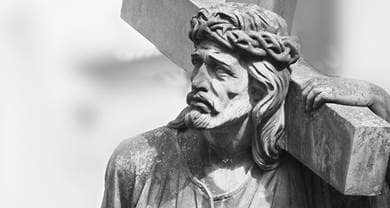
 Christians teach that Jesus was both human and divine. As a human being he was perfectly obedient to God the Father, and Christians believe they are called to follow his example. As a divine being, he was not another god but a visible incarnation of the one God. He is called the Son of God, the Word of God, or the Image of God as a way of describing his divine origin and nature, and his relationship with God the Father.
Out of the many devotional and honorific titles given to Jesus, the best known is Christ, meaning "anointed," a term that refers to a ceremony in which a king or ruler is consecrated with oil. Christ is the Greek equivalent of the Hebrew title Messiah, or ruler, an indication of the Christian belief that Jesus was sent by God to rule humanity.
Through the miracles he is said to have performed, Jesus revealed God's love, while his teaching revealed God's will. His life and death as a human being were part of God's plan to die voluntarily in order to atone for those who have wronged God.
 Christianity teaches that Jesus was raised, or resurrected, on the third day after his death on the cross, and forty days later ascended to heaven, where he lives and reigns alongside God. Christians worship Jesus and pray to him. He is not physically visible now, but is still present wherever his followers gather. Christians expect Jesus to return at some future date to judge humanity and usher in a golden age.
There is a third person of the Godhead, the Holy Spirit. In both Jewish and Christian thought, the Spirit is God's instrument for creating or bestowing life. The Gospel of Matthew says that Mary became pregnant with Jesus through the power of the Holy Spirit; Jesus' own life and ministry were carried out in conjunction with and empowered by the Holy Spirit; and the Gospel of John reports that Jesus assured his followers that although he had to leave, the Spirit of God would come to strengthen them. The Book of Acts describes how, on the day of Pentecost, the Holy Spirit descended on the assembled apostles like powerful wind and flames, and when the Holy Spirit filled them, they were able to speak in languages understood by the pilgrims visiting Jerusalem from far away. Christians view the Holy Spirit as God's active presence in the world.
Although the word Trinity does not appear in the New Testament, it was in use by the early 3rd century. The Nicene Creed states that Jesus is "of one substance" with God the Father. The Holy Spirit "proceeds from the Father," and together with the God the Father and God the Son, "is worshipped and glorified." The idea of the Trinity expresses the Christian belief that the Father, the Son, and the Holy Spirit are three persons in one God. Affirming itself as a monotheistic faith, Christianity has taught that the Trinity is a mystery, beyond the complete comprehension of humans.
 Christianity also teaches that there are invisible beings that can influence individuals and events. Created by God, they can be either benevolent angels or malevolent demons. Angels are often described in the Bible as messengers from God, frequently delivering their messages to people in dreams. Demons are thought to be rebellious angels, led by a fallen angel who was once called Lucifer, meaning "bearer of light." Now he is called the Devil or Satan, meaning "adversary."
For Christians, all creatures, visible and invisible, are subject to God's will and are to play a role in God's divine plan. While it may not be possible for humans to fully understand or explain how God's plan is being worked out, Christianity teaches that God is all-knowing and benevolent, and that all things will ultimately work together for the good.
Study Questions:
1. Why is God often referred to as “Father”?
2. What is the relationship between God and Jesus? How does each reveal the other?
3. What do Christians believe happened to Jesus after he was crucified?
4. What is the Trinity?
5. What do Christians believe about a divine plan for creation?
Back to Religion Library
Editor's picks See all columnists
Evangelical
Before You Unplug or Sign Out for Good
Evangelical
What Is the Purpose of Spiritual Gifts, and How Do You Discover Yours?
New Visions
5 Ways to Hear What God is Telling You
Muslim
How Awake Are We? When Waking Up is Falling Asleep
Latter-day Saint
"The Church supports the use of vaccinations"
Evangelical
Luther and the Beauty of Christ
The Soul of Gospel Music Explored in New Netflix Series "Voices of Fire"
Seven Ways to Think About Christian Mysticism

Evangelical
Evangelical
Muslim
Imam Ali’s letter to the Governor- Everlasting Example of Good...
Progressive Christian
Patheos Explore the world's faith through different perspectives on religion and spirituality! Patheos has the views of the prevalent religions and spiritualities of the world.
Ad-Free & Subscriber Log-In Subscription Support
- About Us
- 2026 Calendar
- Videos
- Podcasts
- Library of World Religions
- Faith In Media Tracker
- Advertise With Us
- Write for Us
- Privacy Policy
- Terms of Service
- Do Not Sell My Data
- Contact Us
- Radiant Digital
- Manage Newsletter Subscriptions
- Unsubscribe From Notifications
- Sitemap
Copyright 2008-2026, Patheos. All rights reserved.
Subscription Support Ad-Free & Subscriber Log-In
Follow Patheos