
BuddhistCatholicContemplativeEvangelicalGeneral ChristianHinduJewishLatter-day SaintMuslimNew VisionsProgressive Christian
Beliefs
- Buddhist
- Catholic
- Contemplative
- Evangelical
- General Christian
- Hindu
- Jewish
- Latter-day Saint
- More Voices
- Muslim
- New Visions
- Pagan
- Progressive Christian
Topics
- Religion News
- Food and Religion
- Sports and Religion
- Religious Art
- Religious Music and Entertainment
- Religious Events
- History and Religion
- Style and Religion
- Politics and Religion
- Women in Religion
- Recreation Outdoors and Religion
- Business Finance and Religion
- Careers Workplace and Religion
- Education and Religion
- Family Parenting and Religion
- Health Fitness and Religion
- Home and Religion
- Relationships and Religion
- Technology and Religion
- Travel and Religion
Columnists
- Buddhist Columnists
- Business Finance and Religion Columnists
- Careers Workplace and Religion Columnists
- Catholic Columnists
- Contemplative Columnists
- Education and Religion Columnists
- Evangelists Columnists
- Family Parenting and Religion Columnists
- General Christian Columnists
- Health Fitness and Religion Columnists
- Hindu Columnists
- History and Religion Columnists
- Home and Religion Columnists
- Jewish Columnists
- More Voices Columnists
- Latter Day Columnists
- Muslim Columnists
- New Visions Columnists
- Nonreligious Columnists
- Pagan Columnists
- Politics and Religion Columnists
- Progressive Columnists
- Recreation Outdoors and Religion Columnists
- Relationships and Religion Columnists
- Religion News Columnists
- Religious Art Columnists
- Religious Events Columnists
- Religious Music and Entertainment Columnists
- Sports and Religion Columnists
- Style and Religion Columnists
- Technology and Religion Columnists
- Travel and Religion Columnists
- Women in Religion Columnists
Resource Library
- 2026 Calendar
- Library of World Religions
- The 100 Most Holy Places on Earth
- Patheos Answers
- Podcasts
- Videos
- Faith Leaders Database
- Anglican Episcopalian
- Bahai
- Baptist
- Buddhism
- Christianity
- Confucianism
- Eastern Orthodoxy
- Hinduism
- Holiness and Pentecostal
- ISKCON
- Islam
- Judaism
- Lutheran
- Methodist
- The Church of Jesus Christ of Latter-day Saints
- New Age
- Paganism
- Presbytarian and Reformed
- Protestantism
- Religion Behind the Scenes
- Roman Catholic
- Scientology
- Shia Islam
- Sikhism
- Sufism
- Sunni Islam
- Taoism
- Zen
- See all religions
Research Tools
 Ad-Free & Subscriber Log-In Subscription Support
Ad-Free & Subscriber Log-In Subscription Support
Follow Patheos 

- Trending:
- Forgiveness
- |
- Marriage
- |
- Consciousness
- |
- Death Penalty
- |
- Election
- |
- Halloween
RELIGION LIBRARY
Christianity
Toggle navigation
Beliefs
Suffering and the Problem of Evil
Christianity believes in a benevolent God who created the universe and all things in it. The genesis of creation was God's overflowing love, and God's plan for creation is rooted in divine goodness. God created humans in order to love them as a parent loves his or her children.
In a universe such as this, how do Christians understand suffering and evil? Why would God, a benevolent creator who loves all creatures, especially God's human children, allow evil and suffering to exist?
Christians have faith in a good and loving Creator who has a plan for creation that is also good and loving. This tenet of faith has prompted Christians to seek explanations or justifications for suffering. Human suffering takes many forms: emotional, natural, and moral. Loneliness, anxiety, and grief are examples of emotional suffering. Fires, tornados, earthquakes, hurricanes, tsunami, and physical illnesses (e.g., cancer) are examples of natural suffering. Moral suffering is brought on by the deliberate acts of fellow human beings to cause suffering, something Christians call a moral evil.
Toward the end of the 2nd century, Irenaeus, Bishop of Lyons and a Church Father, formulated an theodicy, an argument intended to show that evil is necessary for human moral and spiritual development and is part of God's purpose. God created humans in a morally and spiritually imperfect state so that they can strive in response to suffering, in order to grow into full fellowship with God. This argument continues to influence Christian thought and belief.
Another early argument with strong contemporary resonance was advanced by the influential theologian Augustine, born in 354, who became the Bishop of Hippo in north Africa. Augustine proposed that, since God endowed people with free will, we were able to freely choose to do evil as well as good. Simply stated, there is evil in the world because humans choose to do evil things. "Free" will is not free if we can only choose the good, so God does not prevent us from choosing evil. Suffering is the price we pay for this freedom to choose.
A third explanation of evil was advanced by the 18th-century philosopher G.W. Leibniz who believed that despite our suffering, and the tragic and catastrophic events in our lives, we are living in the best of all possible worlds. God is in control, Leibniz believed. When something terrible happens, it is not because God is not involved. God allowed it in order to prevent an even more terrible event from occurring. God is able to anticipate and prevent consequences that we cannot see. Since God is good and loving, we can trust that God creates and sustains the best possible world.
There are other Christian responses to evil that do not claim that evil is part of God's divine plan. Some Christians believe that God disciplines us just as a human father might discipline his children. Our suffering, therefore, is God's punishment, and is a sign to us that we should repent. Others believe that God uses suffering to test our faith in divine providence and that suffering is an opportunity to make faith stronger and more constant. Another belief is that our suffering in our earthly life is only temporary and will add radiance and joy to our eternal life.
Others might say that evil is nothing but the absence of good, a strong reminder to us that we should work harder to bring good into this world. Still others might argue that God's connection with the created order is so profound that God has bound divine providence and omnipotence to the human experience. God's activity in the affairs of creation, then, is powerful, but not directive or controlling.
More contemporary approaches to evil include the argument that evil is not a problem for Christian faith. In the Old Testament, the Psalms regard creation as a revelation of God's goodness. Evil, also a part of God's creation, must reveal that inherent goodness as well, if we know how to look. Recently some Christians have stopped viewing evil as an existential problem, and begun viewing it as a practical problem. Some, like Alyosha Karamazov, the character in Dostoevsky's novel The Brothers Karamazov, believe that the evil in our midst requires that we act to end it. Explanations or justifications of evil's existence are only secondary to this call to action, or are not at all meaningful.
Psalms 13:1-3 How long will you forget me, O Lord? Forever?
How long will you hide your face from me?
How long must I take counsel in my soul,
having sorrow in my heart daily?
How long will my enemy be exalted over me?
Consider and hear me, O Lord my God!
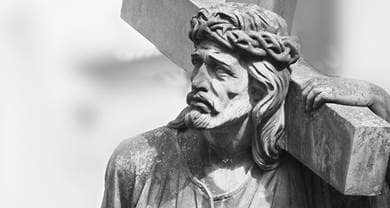
In all cases, Christians have been heard to cry out with the Psalmist, "How long, O Lord?" One response, uniquely Christian, is the belief that God suffers too. Through Christ's suffering and pain on the cross of crucifixion, God submitted to the same evil that torments so many. This response does not explain or justify evil, but it helps Christians to bear it. They trust that, even in their pain, God is with them. In the meantime, Christians hold onto the hope that ultimately God and God's good purposes will prevail, permanently defeating Satan and evil.
Study Questions:
1. Why do Christians struggle with the problem of suffering?
2. How is suffering manifested?
3. How does suffering become a vehicle to a closer relationship with God?
4. What are the contemporary approaches to the problem of evil?
Back to Religion Library
Editor's picks See all columnists

Evangelical
Before You Unplug or Sign Out for Good

Evangelical
What Is the Purpose of Spiritual Gifts, and How Do You Discover Yours?

New Visions
5 Ways to Hear What God is Telling You

Muslim
How Awake Are We? When Waking Up is Falling Asleep

Latter-day Saint
"The Church supports the use of vaccinations"

Evangelical
Luther and the Beauty of Christ

The Soul of Gospel Music Explored in New Netflix Series "Voices of Fire"

Seven Ways to Think About Christian Mysticism

Evangelical

Evangelical

Muslim
Imam Ali’s letter to the Governor- Everlasting Example of Good...

Progressive Christian
Patheos Explore the world's faith through different perspectives on religion and spirituality! Patheos has the views of the prevalent religions and spiritualities of the world.
Ad-Free & Subscriber Log-In Subscription Support
- About Us
- 2026 Calendar
- Videos
- Podcasts
- Library of World Religions
- Faith In Media Tracker
- Advertise With Us
- Write for Us
- Privacy Policy
- Terms of Service
- Do Not Sell My Data
- Contact Us
- Radiant Digital
- Manage Newsletter Subscriptions
- Unsubscribe From Notifications
- Sitemap
Copyright 2008-2026, Patheos. All rights reserved.
Subscription Support Ad-Free & Subscriber Log-In
Follow Patheos