
BuddhistCatholicContemplativeEvangelicalGeneral ChristianHinduJewishLatter-day SaintMuslimNew VisionsProgressive Christian
Beliefs
- Buddhist
- Catholic
- Contemplative
- Evangelical
- General Christian
- Hindu
- Jewish
- Latter-day Saint
- More Voices
- Muslim
- New Visions
- Pagan
- Progressive Christian
Topics
- Religion News
- Food and Religion
- Sports and Religion
- Religious Art
- Religious Music and Entertainment
- Religious Events
- History and Religion
- Style and Religion
- Politics and Religion
- Women in Religion
- Recreation Outdoors and Religion
- Business Finance and Religion
- Careers Workplace and Religion
- Education and Religion
- Family Parenting and Religion
- Health Fitness and Religion
- Home and Religion
- Relationships and Religion
- Technology and Religion
- Travel and Religion
Columnists
- Buddhist Columnists
- Business Finance and Religion Columnists
- Careers Workplace and Religion Columnists
- Catholic Columnists
- Contemplative Columnists
- Education and Religion Columnists
- Evangelists Columnists
- Family Parenting and Religion Columnists
- General Christian Columnists
- Health Fitness and Religion Columnists
- Hindu Columnists
- History and Religion Columnists
- Home and Religion Columnists
- Jewish Columnists
- More Voices Columnists
- Latter Day Columnists
- Muslim Columnists
- New Visions Columnists
- Nonreligious Columnists
- Pagan Columnists
- Politics and Religion Columnists
- Progressive Columnists
- Recreation Outdoors and Religion Columnists
- Relationships and Religion Columnists
- Religion News Columnists
- Religious Art Columnists
- Religious Events Columnists
- Religious Music and Entertainment Columnists
- Sports and Religion Columnists
- Style and Religion Columnists
- Technology and Religion Columnists
- Travel and Religion Columnists
- Women in Religion Columnists
Resource Library
- 2026 Calendar
- Library of World Religions
- The 100 Most Holy Places on Earth
- Patheos Answers
- Podcasts
- Videos
- Faith Leaders Database
- Anglican Episcopalian
- Bahai
- Baptist
- Buddhism
- Christianity
- Confucianism
- Eastern Orthodoxy
- Hinduism
- Holiness and Pentecostal
- ISKCON
- Islam
- Judaism
- Lutheran
- Methodist
- The Church of Jesus Christ of Latter-day Saints
- New Age
- Paganism
- Presbytarian and Reformed
- Protestantism
- Religion Behind the Scenes
- Roman Catholic
- Scientology
- Shia Islam
- Sikhism
- Sufism
- Sunni Islam
- Taoism
- Zen
- See all religions
Research Tools
 Ad-Free & Subscriber Log-In Subscription Support
Follow Patheos 

- Trending:
- Advent
- |
- Forgiveness
- |
- Thanksgiving
- |
- Election
- |
- Seasonal Holidays
- |
- Marriage
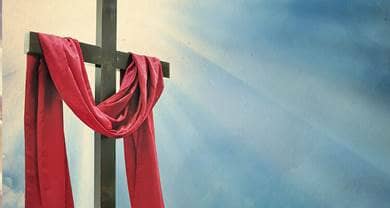
RELIGION LIBRARY
Baptist
Toggle navigation
Beliefs
Human Nature and the Purpose of Existence
Baptists believe that human beings were created good. In fact, human beings were created in nothing less than "his [God's] own image" (Genesis 1:27). God blessed the human beings, called on them to multiply, and entrusted them with oversight of God's creation (Genesis 1:27-30). Thus, fundamentally (that is, as created by God) human beings are neither evil nor morally neutral, but rather are good.
However, human beings chose to rebel against God and assert their own will. Consequently, all human beings are now corrupted. In accord with Romans 3:23, Baptists believe that "all have sinned and fall short of the glory of God." No human being is currently in the "good" state of original creation. This corruption is such that human beings are, to the extent that they are corrupted by sin, no longer fully, genuinely, authentically human. Rather, they are corrupted or distorted versions of human beings.
Yet, all human beings are still bearers of the image of God (though it is corrupted and distorted), and still possess distinctive dignity and worth. Human beings are still of such worth and so loved by God that God's Son came to save fallen human beings (John 3:16). Thus, as a creature who was created good but now exists in corrupted (but not utterly corrupted) form, human beings are capable of qualified good.
There is some disagreement among Baptists as to the precise nature and extent of what fallen human beings can and cannot do. Those Baptists who embrace an Arminian view of humanity and salvation believe that human beings still (that is, even after the fall) possess volitional free will and freedom of choice, including freedom to choose whether or not to follow Jesus Christ. By contrast, Baptists who embrace a Calvinist view believe that, as a result of the fall, human beings lost free choice in a spiritual sense, and can respond in trusting faith in Jesus Christ only as a result of being made spiritually alive by God and being given the gift of trusting faith. Amidst these differences, however, all Baptists, in their respective ways, emphasize the role of individual conscience and the necessity of individual persons to be born again and to place trusting faith in Jesus Christ in order to be saved.
The purpose of human existence is to love, worship, and serve God in thought, word, and deed, and, grounded in this relationship with God, to love and serve others. With other Christians, Baptists base this belief in Mark 12:29-31, among other scripture passages, where Jesus indicates that the two greatest commandments are to "love the Lord your God with all your heart and with all your soul and with all your mind and with all your strength" and to "love your neighbor as yourself." One can fulfill this purpose most fully by being justified through personally entrusting one's entire self to Jesus Christ for salvation (being born-again through a work of the Holy Spirit) and sanctified (that is, changed to be more like Jesus).
Because of humankind's fallen, corrupted state, individuals are incapable of the kind of love and life described by Jesus. In fact, even those who have been born again and have entrusted themselves to Jesus will fall short of fulfilling these two commands. However, Baptists believe that by God's grace, by Christ living within, and by the powerful work of the Holy Spirit, they can inadequately yet genuinely love and live in the spirit of these commands. Salvation is not based on an individual's fulfillment of these commands, but rather on Christ's fulfillment of them and of being united with him through faith.
Study Questions:
1. Why do Baptists believe that humans are corrupted?
2. Why is there hope for humans to be redeemed as good? What must humans do?
3. What do Baptists view as the purpose of human existence?
4. Why is Christ important to the story of salvation?
Back to Religion Library
Editor's picks See all columnists

Evangelical
Before You Unplug or Sign Out for Good

Evangelical
What Is the Purpose of Spiritual Gifts, and How Do You Discover Yours?

New Visions
5 Ways to Hear What God is Telling You
Muslim
How Awake Are We? When Waking Up is Falling Asleep
Latter-day Saint
"The Church supports the use of vaccinations"

Evangelical
Luther and the Beauty of Christ
The Soul of Gospel Music Explored in New Netflix Series "Voices of Fire"

Seven Ways to Think About Christian Mysticism

Evangelical

Evangelical

Muslim
Imam Ali’s letter to the Governor- Everlasting Example of Good...
Progressive Christian
Patheos Explore the world's faith through different perspectives on religion and spirituality! Patheos has the views of the prevalent religions and spiritualities of the world.
Ad-Free & Subscriber Log-In Subscription Support
- About Us
- 2026 Calendar
- Videos
- Podcasts
- Library of World Religions
- Faith In Media Tracker
- Advertise With Us
- Write for Us
- Privacy Policy
- Terms of Service
- Do Not Sell My Data
- Contact Us
- Radiant Digital
- Manage Newsletter Subscriptions
- Unsubscribe From Notifications
- Sitemap
Copyright 2008-2026, Patheos, part of the Radiant Digital network of media brands. All rights reserved.
Subscription Support Ad-Free & Subscriber Log-In
Follow Patheos