
BuddhistCatholicContemplativeEvangelicalGeneral ChristianHinduJewishLatter-day SaintMuslimNew VisionsProgressive Christian
Beliefs
- Buddhist
- Catholic
- Contemplative
- Evangelical
- General Christian
- Hindu
- Jewish
- Latter-day Saint
- More Voices
- Muslim
- New Visions
- Pagan
- Progressive Christian
Topics
- Religion News
- Food and Religion
- Sports and Religion
- Religious Art
- Religious Music and Entertainment
- Religious Events
- History and Religion
- Style and Religion
- Politics and Religion
- Women in Religion
- Recreation Outdoors and Religion
- Business Finance and Religion
- Careers Workplace and Religion
- Education and Religion
- Family Parenting and Religion
- Health Fitness and Religion
- Home and Religion
- Relationships and Religion
- Technology and Religion
- Travel and Religion
Columnists
- Buddhist Columnists
- Business Finance and Religion Columnists
- Careers Workplace and Religion Columnists
- Catholic Columnists
- Contemplative Columnists
- Education and Religion Columnists
- Evangelists Columnists
- Family Parenting and Religion Columnists
- General Christian Columnists
- Health Fitness and Religion Columnists
- Hindu Columnists
- History and Religion Columnists
- Home and Religion Columnists
- Jewish Columnists
- More Voices Columnists
- Latter Day Columnists
- Muslim Columnists
- New Visions Columnists
- Nonreligious Columnists
- Pagan Columnists
- Politics and Religion Columnists
- Progressive Columnists
- Recreation Outdoors and Religion Columnists
- Relationships and Religion Columnists
- Religion News Columnists
- Religious Art Columnists
- Religious Events Columnists
- Religious Music and Entertainment Columnists
- Sports and Religion Columnists
- Style and Religion Columnists
- Technology and Religion Columnists
- Travel and Religion Columnists
- Women in Religion Columnists
Resource Library
- 2026 Calendar
- Library of World Religions
- The 100 Most Holy Places on Earth
- Patheos Answers
- Podcasts
- Videos
- Faith Leaders Database
- Anglican Episcopalian
- Bahai
- Baptist
- Buddhism
- Christianity
- Confucianism
- Eastern Orthodoxy
- Hinduism
- Holiness and Pentecostal
- ISKCON
- Islam
- Judaism
- Lutheran
- Methodist
- The Church of Jesus Christ of Latter-day Saints
- New Age
- Paganism
- Presbytarian and Reformed
- Protestantism
- Religion Behind the Scenes
- Roman Catholic
- Scientology
- Shia Islam
- Sikhism
- Sufism
- Sunni Islam
- Taoism
- Zen
- See all religions
Research Tools
 Ad-Free & Subscriber Log-In Subscription Support
Ad-Free & Subscriber Log-In Subscription Support
Follow Patheos 

- Trending:
- Forgiveness
- |
- Marriage
- |
- Consciousness
- |
- Death Penalty
- |
- Election
- |
- Halloween
Faith Figures and Leaders Database
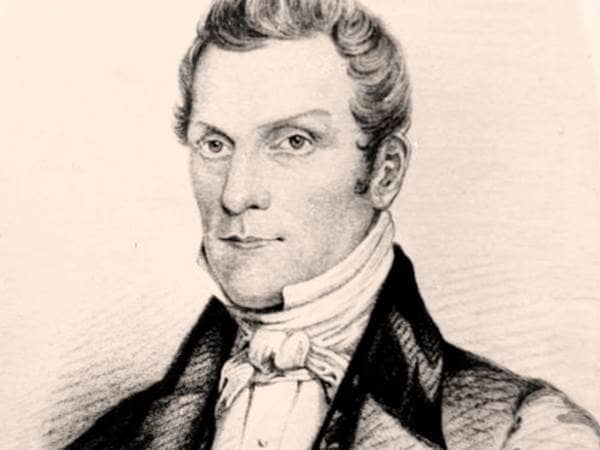
St. Jerome

Image source: Public Domain
- Faith: Christianity
- Profession: Christian scholar
- Lived: 342 A.D. - 420 A.D.
- Nationality: Italian
- Known for: Patron saint of librarians
- Fun Fact: St. Jerome is the patron saint of librarians.
- Fun Fact: He's often depicted in art as a lion or an owl.
- Fun Fact:
Jerome, also known as Jerome of Stridon, was a Christian priest, confessor, theologian, and historian, commonly known as Saint Jerome. Jerome was known for his teachings on Christian moral life, especially to those living in cosmopolitan centers such as Rome.
In many cases, he focused his attention on women’s lives and identified how a woman devoted to Jesus should live her life. This focus stemmed from his close patron relationships with several prominent female abstainers who were members of affluent senatorial families.
Due to Jerome’s work, he is recognized as a saint and Doctor of the Church by the Catholic Church and a saint in the Eastern Orthodox Church, the Lutheran Church, and the Anglican Communion. His feast day is September 30th on the Gregorian calendar.
Early Life
Eusebius Sophronius Hieronymus was born at Stridon around 342–347 AD. He was of Illyrian ancestry, although whether he could speak the Illyrian language is a subject of controversy. He was not baptized until about 360–369 in Rome, where he had gone with his friend Bonosus of Sardica to pursue rhetorical and philosophical studies. Jerome studied under the grammarian Aelius Donatus. He learned Latin and some Greek there, though he probably did not yet acquire the familiarity with Greek literature that he later claimed to have developed as a schoolboy.
Conversion to Christianity
Although initially skeptical of Christianity, he eventually converted. Seized with a desire for a life of ascetic penance, Jerome went for a time to the desert of Chalcis, to the southeast of Antioch, known as the “Syrian Thebaid” from the number of eremites inhabiting it. During this period, he seems to have found time for studying and writing. He made his first attempt to learn Hebrew under the guidance of a converted Jew, and he seems to have been in correspondence with Jewish Christians in Antioch. Around this time, he had copied for him a Hebrew Gospel, of which fragments are preserved in his notes. It is known today as the Gospel of the Hebrews, which the Nazarenes considered the true Gospel of Matthew. Jerome translated parts of this Hebrew Gospel into Greek.
Works
Jerome was a scholar when that statement implied fluency in Greek. When he started translating the Bible, he knew some Hebrew but moved to Jerusalem to strengthen his grip on Jewish scripture commentary. Paula, a wealthy Roman aristocrat, funded his stay in a monastery in Bethlehem and completed his translation there. He began in 382 by correcting the existing Latin-language version of the New Testament, commonly referred to as the Vetus Latina.
By 390, he translated the Hebrew Bible from the original Hebrew, having previously translated portions from the Septuagint, which came from Alexandria. Jerome is the second most voluminous writer in ancient Latin Christianity after Augustine of Hippo. He is recognized as the patron saint of translators, librarians, and encyclopedists in the Catholic Church. In art, he’s often depicted as a lion or owl. Jerome died in Bethlehem in 420 A.D., at around 73 to 78 years old.
Back to Search Results

Search Our Database Again?
Faith Buddhism Christianity Confucianism Esotericism Hinduism ISKCON Islam Judaism New Thought Nonreligious Scientology Sikhism Society of Friends Taoism The Church of Jesus Christ of Latter-day Saints Zoroastrian
Era Early Church Early Medieval Early Modern Era Great Awakening Late Medieval Middle Ages Modern Era Prehistory Reformation Renaissance The Ancient Era The Common Era





Patheos Explore the world's faith through different perspectives on religion and spirituality! Patheos has the views of the prevalent religions and spiritualities of the world.
Ad-Free & Subscriber Log-In Subscription Support
- About Us
- 2026 Calendar
- Videos
- Podcasts
- Library of World Religions
- Faith In Media Tracker
- Advertise With Us
- Write for Us
- Privacy Policy
- Terms of Service
- Do Not Sell My Data
- Contact Us
- Radiant Digital
- Manage Newsletter Subscriptions
- Unsubscribe From Notifications
- Sitemap
Copyright 2008-2026, Patheos. All rights reserved.
Subscription Support Ad-Free & Subscriber Log-In
Follow Patheos