
BuddhistCatholicContemplativeEvangelicalGeneral ChristianHinduJewishLatter-day SaintMuslimNew VisionsProgressive Christian
Beliefs
- Buddhist
- Catholic
- Contemplative
- Evangelical
- General Christian
- Hindu
- Jewish
- Latter-day Saint
- More Voices
- Muslim
- New Visions
- Pagan
- Progressive Christian
Topics
- Religion News
- Food and Religion
- Sports and Religion
- Religious Art
- Religious Music and Entertainment
- Religious Events
- History and Religion
- Style and Religion
- Politics and Religion
- Women in Religion
- Recreation Outdoors and Religion
- Business Finance and Religion
- Careers Workplace and Religion
- Education and Religion
- Family Parenting and Religion
- Health Fitness and Religion
- Home and Religion
- Relationships and Religion
- Technology and Religion
- Travel and Religion
Columnists
- Buddhist Columnists
- Business Finance and Religion Columnists
- Careers Workplace and Religion Columnists
- Catholic Columnists
- Contemplative Columnists
- Education and Religion Columnists
- Evangelists Columnists
- Family Parenting and Religion Columnists
- General Christian Columnists
- Health Fitness and Religion Columnists
- Hindu Columnists
- History and Religion Columnists
- Home and Religion Columnists
- Jewish Columnists
- More Voices Columnists
- Latter Day Columnists
- Muslim Columnists
- New Visions Columnists
- Nonreligious Columnists
- Pagan Columnists
- Politics and Religion Columnists
- Progressive Columnists
- Recreation Outdoors and Religion Columnists
- Relationships and Religion Columnists
- Religion News Columnists
- Religious Art Columnists
- Religious Events Columnists
- Religious Music and Entertainment Columnists
- Sports and Religion Columnists
- Style and Religion Columnists
- Technology and Religion Columnists
- Travel and Religion Columnists
- Women in Religion Columnists
Resource Library
- 2026 Calendar
- Library of World Religions
- The 100 Most Holy Places on Earth
- Patheos Answers
- Podcasts
- Videos
- Faith Leaders Database
- Anglican Episcopalian
- Bahai
- Baptist
- Buddhism
- Christianity
- Confucianism
- Eastern Orthodoxy
- Hinduism
- Holiness and Pentecostal
- ISKCON
- Islam
- Judaism
- Lutheran
- Methodist
- The Church of Jesus Christ of Latter-day Saints
- New Age
- Paganism
- Presbytarian and Reformed
- Protestantism
- Religion Behind the Scenes
- Roman Catholic
- Scientology
- Shia Islam
- Sikhism
- Sufism
- Sunni Islam
- Taoism
- Zen
- See all religions
Research Tools
 Ad-Free & Subscriber Log-In Subscription Support
Ad-Free & Subscriber Log-In Subscription Support
Follow Patheos 

- Trending:
- Forgiveness
- |
- Marriage
- |
- Consciousness
- |
- Death Penalty
- |
- Election
- |
- Halloween
 Why I Am Catholic
-
More
- Home
- Because Blaise Pascal Knew The Art of Risk Management and the Importance of Consequences
Because Blaise Pascal Knew The Art of Risk Management and the Importance of Consequences
Last updated on: June 7, 2015 at 11:36 pm by Frank Weathers
Because Blaise Pascal Knew The Art of Risk Management and the Importance of Consequences 2015-06-07T23:36:00-05:00 Frank Weathers
Patheos Explore the world's faith through different perspectives on religion and spirituality! Patheos has the views of the prevalent religions and spiritualities of the world.
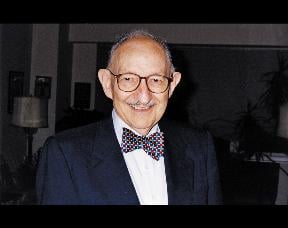
The late economic historian, and former financier Peter Bernstein explains this fact well in an article published in the New York Times during the early innings of the tumult of the U.S. debt crisis. Bernstein authored a half dozen classics, among them Against the Gods, the Remarkable Story of Risk, which was published in 1996.
It was in that book that I became reaquainted with Blaise Pascal, after a near brush with him and his Pascal’s Law, and another encounter with him in statistics class in college. No stranger to ideas or practical methods of modern finance, Bernstein takes a shine to ol’ Blaise in the piece which is titled, What Happens If We’re Wrong? It is a question which Blaise agonized over when thinking about his soul. Enlightened by his mystical experience, he came up with what is known as Pascal’s Wager.
As it turns out, ol’ Blaise knew how to hedge his risks, as anyone who has bet the house on a losing horse, or who has put all their eggs in one basket (and lost the basket) has learned to do the hard way.
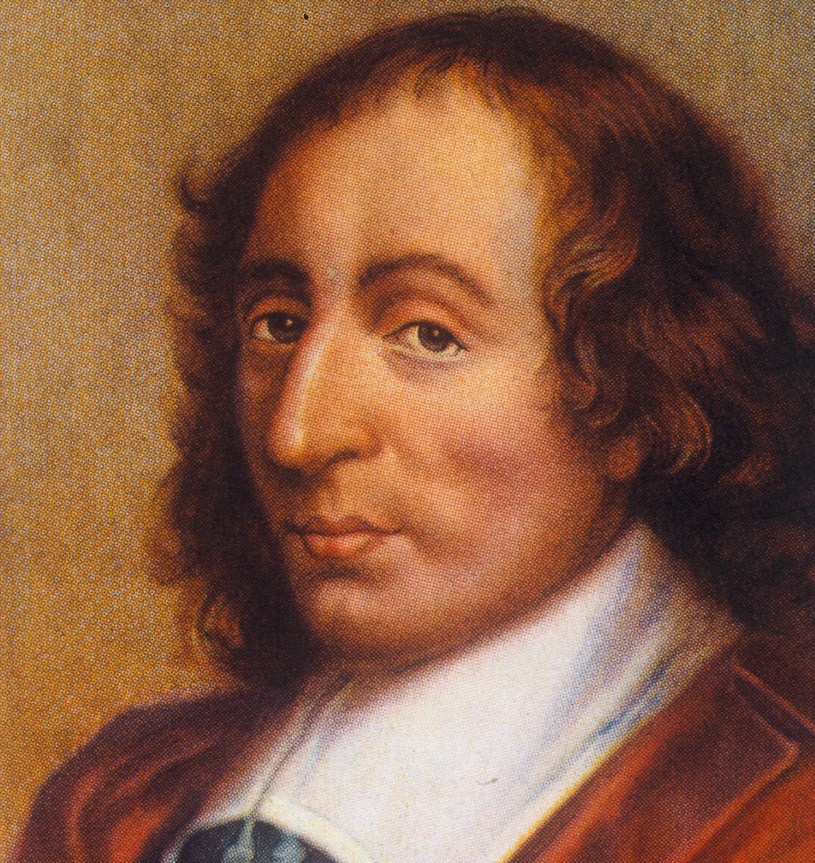
So to the question, “Does God exist?,” Blaise argued that it pays to remember one key thing when using our bounded rationality, as Bernstein explains below.
In short, our forecasts are wrong from time to time.
That observation sounds like a platitude, but consider the kinds of questions it provokes. How will we deal with surprises — outcomes different from what we expect? What are the consequences of being wrong in our expectations? This is the point when risk management begins to live up to its real meaning. Risk means the chance of being wrong — not always in an adverse direction, but always in a direction different from what we expected.
The key word is “consequences.” I learned this lesson many years ago from studying Blaise Pascal, a French mathematical genius in the 17th century who spelled out the laws of probability more clearly than anyone before him. This was a thunderclap of an insight that, for the first time, gave humanity a systematic way of thinking about the future.
Pascal was both a gambler and a religious zealot. One day he asked himself how he would handle a bet on whether “God is or God is not.” Reason could not answer. But, he said, we can choose between acting as though God is or acting as though God is not.
Suppose we bet that God is, and we lead a life of virtue and abstinence, and then the day of reckoning comes and we discover that there is no God. Well, life was still tolerable even if less fun than we might have liked. Here, the consequences of being wrong would be acceptable to most people.
Suppose, however, we bet that God is not, and lead a life of lust and sin, and then it turns out that God is. Now being wrong has put us into big trouble.
Heads, there is no God, tails, there is? Blaise diversified away that 50/50 risk by buying the “there is a God” hedge. Prudent man, my buddy Blaise. And a very rational one, proving in an unconventional way that faith and reason can coexist in the same mind.
Previous Post

May 2, 2012
There Are Zombies (For Reals!), and They are Ants...
Next Post
May 4, 2012 May The Fourth Be With You...Always
Browse Our Archives
Select a Category Blog News Conversion Story Culture Learning Living Nature Prayer Uncategorized Working
Select a Month June 2016 May 2016 August 2015 July 2015 June 2015 May 2015 April 2015 March 2015 February 2015 January 2015 December 2014 November 2014 October 2014 September 2014 August 2014 July 2014 June 2014 May 2014 April 2014 March 2014 February 2014 January 2014 December 2013 November 2013 October 2013 September 2013 August 2013 July 2013 June 2013 May 2013 April 2013 March 2013 February 2013 January 2013 December 2012 November 2012 October 2012 September 2012 August 2012 July 2012 June 2012 May 2012 April 2012 March 2012 February 2012 January 2012 December 2011 November 2011 October 2011 September 2011 August 2011 July 2011 June 2011 May 2011 April 2011 March 2011 February 2011 January 2011 December 2010 November 2010 October 2010 September 2010 August 2010 July 2010 June 2010 May 2010 April 2010 March 2010 February 2010 January 2010 December 2009 November 2009 October 2009 September 2009 August 2009
Follow Us!
TAKE THE
Religious Wisdom Quiz
I wanted a vineyard so badly that my wife arranged the owner's death through false witnesses. Who am I?
Select your answer to see how you score.
Naboth David Jezebel Ahab
Related posts from Why I Am Catholic

Belated Happy Birthday To Blaise Pascal, Unofficial Saint...

Because My Brother Imran Yousef Is An American...

Joe Six-Pack, USMC, With A Few Post-Terrorist Attack...

This Is Why God Invented YouTube...
TRENDING AT PATHEOS Catholic

Rejecting Doom: Christian Hope And Human Action
Christianity is a religion of hope. We are to have hope and...

It’s What Comes From Within Which Matters
One of the most difficult things for us to understand is why...

Why I Choose the Eucharist Over the Sermon
Choose the Eucharist, Not the Sermon What are we supposed to get...

5 Design Elements Found in Spiritually Rooted Homes
Putting Spirituality Into Home Decor Our homes are more than our living...

Credo: A Story of God Told with the...
About 10 years ago, I began to imagine a personal "Credo" that...

The Anatomy of Divine Revelation in Catholic Thought
The claim that God has made Himself known to human beings is...
Ad-Free & Subscriber Log-In Subscription Support
- About Us
- 2026 Calendar
- Videos
- Podcasts
- Library of World Religions
- Faith In Media Tracker
- Advertise With Us
- Write for Us
- Privacy Policy
- Terms of Service
- Do Not Sell My Data
- Contact Us
- Radiant Digital
- Manage Newsletter Subscriptions
- Unsubscribe From Notifications
- Sitemap
Copyright 2008-2026, Patheos. All rights reserved.
Subscription Support Ad-Free & Subscriber Log-In
Follow Patheos