
BuddhistCatholicContemplativeEvangelicalGeneral ChristianHinduJewishLatter-day SaintMuslimNew VisionsProgressive Christian
Beliefs
- Buddhist
- Catholic
- Contemplative
- Evangelical
- General Christian
- Hindu
- Jewish
- Latter-day Saint
- More Voices
- Muslim
- New Visions
- Pagan
- Progressive Christian
Topics
- Religion News
- Food and Religion
- Sports and Religion
- Religious Art
- Religious Music and Entertainment
- Religious Events
- History and Religion
- Style and Religion
- Politics and Religion
- Women in Religion
- Recreation Outdoors and Religion
- Business Finance and Religion
- Careers Workplace and Religion
- Education and Religion
- Family Parenting and Religion
- Health Fitness and Religion
- Home and Religion
- Relationships and Religion
- Technology and Religion
- Travel and Religion
Columnists
- Buddhist Columnists
- Business Finance and Religion Columnists
- Careers Workplace and Religion Columnists
- Catholic Columnists
- Contemplative Columnists
- Education and Religion Columnists
- Evangelists Columnists
- Family Parenting and Religion Columnists
- General Christian Columnists
- Health Fitness and Religion Columnists
- Hindu Columnists
- History and Religion Columnists
- Home and Religion Columnists
- Jewish Columnists
- More Voices Columnists
- Latter Day Columnists
- Muslim Columnists
- New Visions Columnists
- Nonreligious Columnists
- Pagan Columnists
- Politics and Religion Columnists
- Progressive Columnists
- Recreation Outdoors and Religion Columnists
- Relationships and Religion Columnists
- Religion News Columnists
- Religious Art Columnists
- Religious Events Columnists
- Religious Music and Entertainment Columnists
- Sports and Religion Columnists
- Style and Religion Columnists
- Technology and Religion Columnists
- Travel and Religion Columnists
- Women in Religion Columnists
Resource Library
- 2026 Calendar
- Library of World Religions
- The 100 Most Holy Places on Earth
- Patheos Answers
- Podcasts
- Videos
- Faith Leaders Database
- Anglican Episcopalian
- Bahai
- Baptist
- Buddhism
- Christianity
- Confucianism
- Eastern Orthodoxy
- Hinduism
- Holiness and Pentecostal
- ISKCON
- Islam
- Judaism
- Lutheran
- Methodist
- The Church of Jesus Christ of Latter-day Saints
- New Age
- Paganism
- Presbytarian and Reformed
- Protestantism
- Religion Behind the Scenes
- Roman Catholic
- Scientology
- Shia Islam
- Sikhism
- Sufism
- Sunni Islam
- Taoism
- Zen
- See all religions
Research Tools
 Ad-Free & Subscriber Log-In Subscription Support
Ad-Free & Subscriber Log-In Subscription Support
Follow Patheos 

- Trending:
- Forgiveness
- |
- Marriage
- |
- Consciousness
- |
- Death Penalty
- |
- Election
- |
- Halloween
 Why I Am Catholic
-
More
- Home
- The Sacraments Are Mountains Above the Plains
The Sacraments Are Mountains Above the Plains
Last updated on: January 24, 2017 at 6:16 pm by Frank Weathers
The Sacraments Are Mountains Above the Plains 2017-01-24T18:16:30-05:00 Frank Weathers
Patheos Explore the world's faith through different perspectives on religion and spirituality! Patheos has the views of the prevalent religions and spiritualities of the world.
The little post I shared yesterday about the Sacraments was, in my opinion, just so much straw. I’m no Thomas Aquinas, not by a long shot, but its difficult to put into words the difference that the Sacraments make in the lives of the Faithful versus not having them.
As you may or may not know, the Sacraments each have physical signs attached to them as well as prayers that are prayed in a format that has been improved and settled upon over the past 2000+ years. The difference between the Sacrament of Anointing of the Sick, for example, and say a minister visiting you in the hospital and saying a prayer for your recovery, is like 19 is to 1. There just really is no comparison.
The minister visit is friendly and personable, and polished off with an extemporaneous prayer that is welcome, and may cover the bases, but somehow lacks gravitas. And the “somehow” is that it lacks the difference that is palpable. In contrast, the physicality of the Sacrament of the Anointing of the Sick involves everyone in the room physically as well as spiritually. Formal prayers are prayed, and consecrated oil is rubbed into the sick persons’ palms and on their forehead. These signs involve the persons physical senses while the priest, acting in Christ’s place, acknowledges the persons plight and makes their condition sacred and acknowledged before God in a way that no prayer alone can come close to matching.
What’s with all the physical stuff, you say? You mean besides the fact that it recognizes us for what we are (souls with bodies)? Ask Jesus the question as to why he used clay and spit on a blind man. Christ is God, so why was he messing around with dirt and his spittle? All I can think of is that he did it to bring comfort to the afflicted person.
And like I wrote of yesterday, combining this sacrament and that of the Blessed Sacrament is like 100 is to 1 on my comparison meter between a simple prayer for the ill. Much in the same manner, a full-on Catholic wedding complete with a Mass just defies comparison with, say, getting married by Judge Smith at the Courthouse with two witnesses.
The difference in this case is that Christ Himself sanctifies the one marriage, and is physically present in the Tabernacle when the physical signs of veils, and cords, and coins (my wedding had all of these!) and the rings are exchanged, and He is present in the Blessed Sacrament that is consumed as well. Again with the priest acting in Christ’s place, what you have is a kind of small-scale miracle at Cana on your hands. The difference between that and a Court House wedding is as 1000 is to 1. Even if one of the parties, bride or groom, isn’t Catholic, like was the case with me.
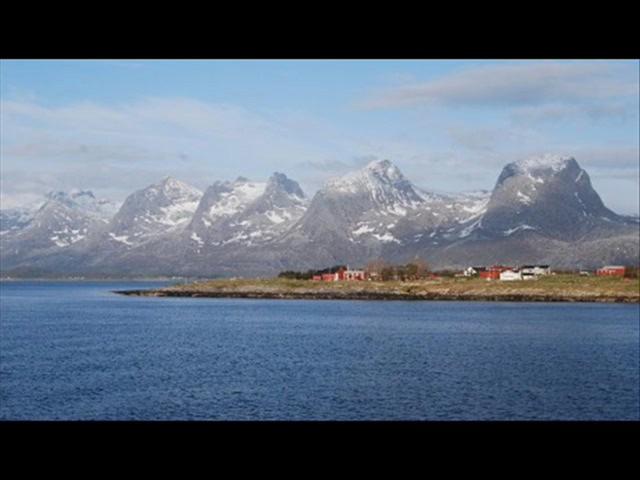
The Sacraments are real and true. The non-sacramental equivalents? Not even in the same league. The one is the Ocean and the other is a shallow pond. Truly the Sacraments have no equivalents. They stand as mountains above the plains where straw is grown. Once you’ve seen the view from atop their summits, nothing else will do.
Previous Post

December 7, 2011
Because St. Ambrose Could Write Such A Hymn
Next Post
December 8, 2011 What Happens When The Dignity Of Human Beings is Lost
Browse Our Archives
Select a Category Blog News Conversion Story Culture Learning Living Nature Prayer Uncategorized Working
Select a Month June 2016 May 2016 August 2015 July 2015 June 2015 May 2015 April 2015 March 2015 February 2015 January 2015 December 2014 November 2014 October 2014 September 2014 August 2014 July 2014 June 2014 May 2014 April 2014 March 2014 February 2014 January 2014 December 2013 November 2013 October 2013 September 2013 August 2013 July 2013 June 2013 May 2013 April 2013 March 2013 February 2013 January 2013 December 2012 November 2012 October 2012 September 2012 August 2012 July 2012 June 2012 May 2012 April 2012 March 2012 February 2012 January 2012 December 2011 November 2011 October 2011 September 2011 August 2011 July 2011 June 2011 May 2011 April 2011 March 2011 February 2011 January 2011 December 2010 November 2010 October 2010 September 2010 August 2010 July 2010 June 2010 May 2010 April 2010 March 2010 February 2010 January 2010 December 2009 November 2009 October 2009 September 2009 August 2009
Follow Us!
TAKE THE
Religious Wisdom Quiz
Who was Jacob's first wife?
Select your answer to see how you score.
Leah Rebekah Dinah Rachel
Related posts from Why I Am Catholic

Belated Happy Birthday To Blaise Pascal, Unofficial Saint...

Because My Brother Imran Yousef Is An American...

Joe Six-Pack, USMC, With A Few Post-Terrorist Attack...

This Is Why God Invented YouTube...
TRENDING AT PATHEOS Catholic

Rejecting Doom: Christian Hope And Human Action
Christianity is a religion of hope. We are to have hope and...

It’s What Comes From Within Which Matters
One of the most difficult things for us to understand is why...

Why I Choose the Eucharist Over the Sermon
Choose the Eucharist, Not the Sermon What are we supposed to get...

5 Design Elements Found in Spiritually Rooted Homes
Putting Spirituality Into Home Decor Our homes are more than our living...

Credo: A Story of God Told with the...
About 10 years ago, I began to imagine a personal "Credo" that...

The Anatomy of Divine Revelation in Catholic Thought
The claim that God has made Himself known to human beings is...
Ad-Free & Subscriber Log-In Subscription Support
- About Us
- 2026 Calendar
- Videos
- Podcasts
- Library of World Religions
- Faith In Media Tracker
- Advertise With Us
- Write for Us
- Privacy Policy
- Terms of Service
- Do Not Sell My Data
- Contact Us
- Radiant Digital
- Manage Newsletter Subscriptions
- Unsubscribe From Notifications
- Sitemap
Copyright 2008-2026, Patheos. All rights reserved.
Subscription Support Ad-Free & Subscriber Log-In
Follow Patheos