
BuddhistCatholicContemplativeEvangelicalGeneral ChristianHinduJewishLatter-day SaintMuslimNew VisionsProgressive Christian
Beliefs
- Buddhist
- Catholic
- Contemplative
- Evangelical
- General Christian
- Hindu
- Jewish
- Latter-day Saint
- More Voices
- Muslim
- New Visions
- Pagan
- Progressive Christian
Topics
- Religion News
- Food and Religion
- Sports and Religion
- Religious Art
- Religious Music and Entertainment
- Religious Events
- History and Religion
- Style and Religion
- Politics and Religion
- Women in Religion
- Recreation Outdoors and Religion
- Business Finance and Religion
- Careers Workplace and Religion
- Education and Religion
- Family Parenting and Religion
- Health Fitness and Religion
- Home and Religion
- Relationships and Religion
- Technology and Religion
- Travel and Religion
Columnists
- Buddhist Columnists
- Business Finance and Religion Columnists
- Careers Workplace and Religion Columnists
- Catholic Columnists
- Contemplative Columnists
- Education and Religion Columnists
- Evangelists Columnists
- Family Parenting and Religion Columnists
- General Christian Columnists
- Health Fitness and Religion Columnists
- Hindu Columnists
- History and Religion Columnists
- Home and Religion Columnists
- Jewish Columnists
- More Voices Columnists
- Latter Day Columnists
- Muslim Columnists
- New Visions Columnists
- Nonreligious Columnists
- Pagan Columnists
- Politics and Religion Columnists
- Progressive Columnists
- Recreation Outdoors and Religion Columnists
- Relationships and Religion Columnists
- Religion News Columnists
- Religious Art Columnists
- Religious Events Columnists
- Religious Music and Entertainment Columnists
- Sports and Religion Columnists
- Style and Religion Columnists
- Technology and Religion Columnists
- Travel and Religion Columnists
- Women in Religion Columnists
Resource Library
- 2026 Calendar
- Library of World Religions
- The 100 Most Holy Places on Earth
- Patheos Answers
- Podcasts
- Videos
- Faith Leaders Database
- Anglican Episcopalian
- Bahai
- Baptist
- Buddhism
- Christianity
- Confucianism
- Eastern Orthodoxy
- Hinduism
- Holiness and Pentecostal
- ISKCON
- Islam
- Judaism
- Lutheran
- Methodist
- The Church of Jesus Christ of Latter-day Saints
- New Age
- Paganism
- Presbytarian and Reformed
- Protestantism
- Religion Behind the Scenes
- Roman Catholic
- Scientology
- Shia Islam
- Sikhism
- Sufism
- Sunni Islam
- Taoism
- Zen
- See all religions
Research Tools
 Ad-Free & Subscriber Log-In Subscription Support
Ad-Free & Subscriber Log-In Subscription Support
Follow Patheos 

- Trending:
- Forgiveness
- |
- Marriage
- |
- Consciousness
- |
- Death Penalty
- |
- Election
- |
- Halloween
 Why I Am Catholic
-
More
- Home
- Because Most Time is Ordinary
Because Most Time is Ordinary
Last updated on: January 24, 2017 at 6:59 pm by Webster Bull
Because Most Time is Ordinary 2017-01-24T18:59:24-05:00 Webster Bull
Patheos Explore the world's faith through different perspectives on religion and spirituality! Patheos has the views of the prevalent religions and spiritualities of the world.
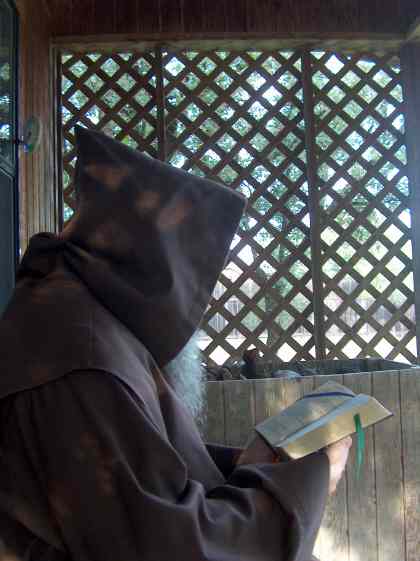 For those who pray the Liturgy of the Hours in the full four-volume text published after Vatican II, today is change day, from Volume III (Ordinary Time, Weeks 1–17) to Volume IV (Weeks 18–34). Putting away one volume, which has curled comfortably to conform to the shape of my hand over the past four months, and bringing out the next is like a change of season. It reminds me—because it’s early Sunday morning, and I’m free-associating here—of St. Patrick’s Day in New England. Time to put away the tools of winter and bring out the deck chairs. “What comes out on St. Patrick’s Day?” “Paddy O’Furniture.”
When I first started praying the Liturgy of the Hours, it was with the white-hot fervor of the convert. Golly, some days early in 2008, in the weeks after my set arrived from (where else?) Amazon, I even prayed the three minor hours and sang a few hymns. Now, I almost always do the Office of Readings at the beginning of the day, but after that it’s anybody’s guess: Even on good days, I may only squeeze in Evening Prayer and, before bed, Night Prayer.
Still, change days always remind me of the liturgical calendar, and this change day is especially interesting to me as someone who is finally settling into the thought, “I am a Catholic.” I looked it up and discovered, to my surprise, that Ordinary Time is a new term, dating from 1969, post–VC II. My unfailing source of all things true—not Scripture, not the Church, I’m talking Wikipedia—says that
The term Ordinary Time was first used with the liturgical reforms which followed the Second Vatican Council. The reformed liturgical calendar took effect on the first Sunday of Advent in 1969. Before this there were two distinct seasons known as the season after Epiphany and the season after Pentecost.
I had assumed that for two thousand years the Catholic Church (unlike the Protestant denominations of my early years) had embraced this lovely word Ordinary. It is a word both humble and powerful. Ordinary = everyday, not particularly important. Yet also ordinary = order, something that keeps my life in order, aligned with God’s law and the teachings of the Church. I guess that will have to remain my own private meaning.
Whatever its source, the term Ordinary Time does remind me how lucky I am to be a Catholic. As a boy in the Congregational and then Episcopal Churches, I loved Advent (what child doesn’t?) and I developed an imprecise but uncanny feeling about Lent, especially Holy Week. But the rest of the year was fuzzy and liturgically adrift. I know the Episcopal Church retains the rudiments of the liturgical calendar, but I was never educated in its structure and so wandered through the year from one Christmas to the next without a map, much as even we Catholics wander through the week, from the obligation of one Mass to the next.
What I love about the Catholic Church is that it calls to me every day, and at each hour of every day. Whether I pull Volume 4 from my briefcase to read the Noon hour or not, I know that it’s in there calling to me. Even that is a comfort.

Previous Post

July 31, 2010
For All the Saints: Ignatius of Loyola
Next Post
August 2, 2010 Music for Monday: Ireland Forever
Browse Our Archives
Select a Category Blog News Conversion Story Culture Learning Living Nature Prayer Uncategorized Working
Select a Month June 2016 May 2016 August 2015 July 2015 June 2015 May 2015 April 2015 March 2015 February 2015 January 2015 December 2014 November 2014 October 2014 September 2014 August 2014 July 2014 June 2014 May 2014 April 2014 March 2014 February 2014 January 2014 December 2013 November 2013 October 2013 September 2013 August 2013 July 2013 June 2013 May 2013 April 2013 March 2013 February 2013 January 2013 December 2012 November 2012 October 2012 September 2012 August 2012 July 2012 June 2012 May 2012 April 2012 March 2012 February 2012 January 2012 December 2011 November 2011 October 2011 September 2011 August 2011 July 2011 June 2011 May 2011 April 2011 March 2011 February 2011 January 2011 December 2010 November 2010 October 2010 September 2010 August 2010 July 2010 June 2010 May 2010 April 2010 March 2010 February 2010 January 2010 December 2009 November 2009 October 2009 September 2009 August 2009
Follow Us!
TAKE THE
Religious Wisdom Quiz
What does "Shiloh" mean in Hebrew?
Select your answer to see how you score.
God’s dwelling The chosen one He whose it is Prince of peace
Related posts from Why I Am Catholic

Belated Happy Birthday To Blaise Pascal, Unofficial Saint...

Because My Brother Imran Yousef Is An American...

Because of G.K. Chesterton (29 May, 1874 – 14 June, 1936)

Joe Six-Pack, USMC, With A Few Post-Terrorist Attack...
TRENDING AT PATHEOS Catholic

Rejecting Doom: Christian Hope And Human Action
Christianity is a religion of hope. We are to have hope and...

It’s What Comes From Within Which Matters
One of the most difficult things for us to understand is why...

Why I Choose the Eucharist Over the Sermon
Choose the Eucharist, Not the Sermon What are we supposed to get...

5 Design Elements Found in Spiritually Rooted Homes
Putting Spirituality Into Home Decor Our homes are more than our living...

Credo: A Story of God Told with the...
About 10 years ago, I began to imagine a personal "Credo" that...

The Anatomy of Divine Revelation in Catholic Thought
The claim that God has made Himself known to human beings is...
Ad-Free & Subscriber Log-In Subscription Support
- About Us
- 2026 Calendar
- Videos
- Podcasts
- Library of World Religions
- Faith In Media Tracker
- Advertise With Us
- Write for Us
- Privacy Policy
- Terms of Service
- Do Not Sell My Data
- Contact Us
- Radiant Digital
- Manage Newsletter Subscriptions
- Unsubscribe From Notifications
- Sitemap
Copyright 2008-2026, Patheos. All rights reserved.
Subscription Support Ad-Free & Subscriber Log-In
Follow Patheos