
BuddhistCatholicContemplativeEvangelicalGeneral ChristianHinduJewishLatter-day SaintMuslimNew VisionsProgressive Christian
Beliefs
- Buddhist
- Catholic
- Contemplative
- Evangelical
- General Christian
- Hindu
- Jewish
- Latter-day Saint
- More Voices
- Muslim
- New Visions
- Pagan
- Progressive Christian
Topics
- Religion News
- Food and Religion
- Sports and Religion
- Religious Art
- Religious Music and Entertainment
- Religious Events
- History and Religion
- Style and Religion
- Politics and Religion
- Women in Religion
- Recreation Outdoors and Religion
- Business Finance and Religion
- Careers Workplace and Religion
- Education and Religion
- Family Parenting and Religion
- Health Fitness and Religion
- Home and Religion
- Relationships and Religion
- Technology and Religion
- Travel and Religion
Columnists
- Buddhist Columnists
- Business Finance and Religion Columnists
- Careers Workplace and Religion Columnists
- Catholic Columnists
- Contemplative Columnists
- Education and Religion Columnists
- Evangelists Columnists
- Family Parenting and Religion Columnists
- General Christian Columnists
- Health Fitness and Religion Columnists
- Hindu Columnists
- History and Religion Columnists
- Home and Religion Columnists
- Jewish Columnists
- More Voices Columnists
- Latter Day Columnists
- Muslim Columnists
- New Visions Columnists
- Nonreligious Columnists
- Pagan Columnists
- Politics and Religion Columnists
- Progressive Columnists
- Recreation Outdoors and Religion Columnists
- Relationships and Religion Columnists
- Religion News Columnists
- Religious Art Columnists
- Religious Events Columnists
- Religious Music and Entertainment Columnists
- Sports and Religion Columnists
- Style and Religion Columnists
- Technology and Religion Columnists
- Travel and Religion Columnists
- Women in Religion Columnists
Resource Library
- 2026 Calendar
- Library of World Religions
- The 100 Most Holy Places on Earth
- Patheos Answers
- Podcasts
- Videos
- Faith Leaders Database
- Anglican Episcopalian
- Bahai
- Baptist
- Buddhism
- Christianity
- Confucianism
- Eastern Orthodoxy
- Hinduism
- Holiness and Pentecostal
- ISKCON
- Islam
- Judaism
- Lutheran
- Methodist
- The Church of Jesus Christ of Latter-day Saints
- New Age
- Paganism
- Presbytarian and Reformed
- Protestantism
- Religion Behind the Scenes
- Roman Catholic
- Scientology
- Shia Islam
- Sikhism
- Sufism
- Sunni Islam
- Taoism
- Zen
- See all religions
Research Tools
 Ad-Free & Subscriber Log-In Subscription Support
Ad-Free & Subscriber Log-In Subscription Support
Follow Patheos 

- Trending:
- Forgiveness
- |
- Marriage
- |
- Consciousness
- |
- Death Penalty
- |
- Election
- |
- Halloween
 World Religions
- Home
- Interfaith
- Education and Religion
- Three Amazing Sacred Texts: Video Summaries
Three Amazing Sacred Texts: Video Summaries
Last updated on: July 4, 2016 at 1:12 pm by George G. Coe
Three Amazing Sacred Texts: Video Summaries 2016-07-04T13:12:28-05:00 George G. Coe
Patheos Explore the world's faith through different perspectives on religion and spirituality! Patheos has the views of the prevalent religions and spiritualities of the world.
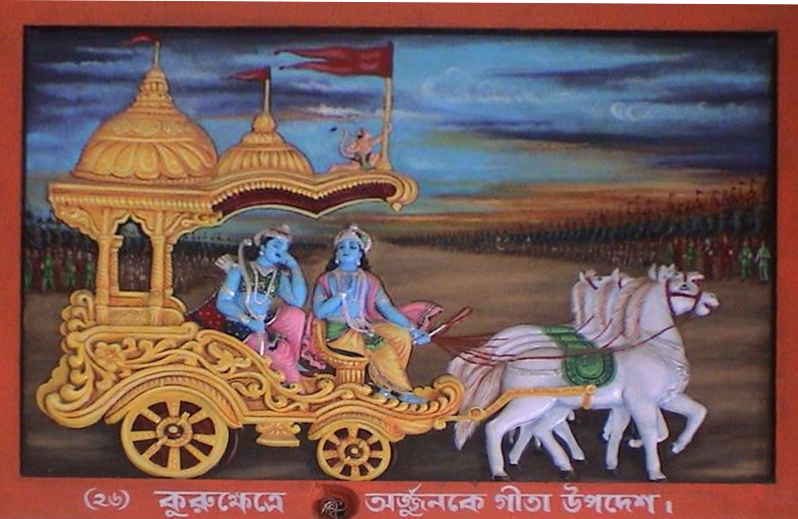
By His Holiness Bhaktiratna Sadhu Swami Gaurangapada via Wikimedia Commons
Here are engaging video summaries of three of the world’s great sacred texts from Annenberg Learner’s Invitation to World Literature. They include the Mayan and Sumerian creation stories, the Popol Vu, and the Epic of Gilgamesh, as well as the Hindu sacred classic, The Bhagavad Gita.
In each video, which lasts about thirty minutes, professors and scholars relate the basic story of each myth along with important history and make connections to other sacred stories around the world.
Annenberg allows readers to explore each text on their site. For example, you can explore excerpts of the Bhagavad Gita and read how literary experts explain the highlighted text. You can also explore an annotated timeline and map that shows a history of the text and modern influences on it.
What makes these stories engaging, or relevant to today? The Epic of Gilgamesh includes murder, sex, and floods while the Popol Vu involves the exploits of twins who conquer the underworld. And the Bhagavad Gita forces a young prince to examine issues of life and death in the middle of a battlefield.
The Popol Vu
The Popul Vu was written between 1554 and 1555CE just as the Spanish were conquering the Aztecs in Mexico. It recounts the creation of the world and how humans were first made of mud, then wood, and finally corn.
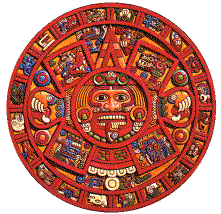
Photo Credit: “Mayan Calendar Copy”, © 2009 @Peta_de_Aztlan, Flickr | CC-BY | via Wylio
The Epic of Gilgamesh
The Epic of Gilgamesh was written around 2100BCE and is considered one of the oldest books ever written. It’s an epic about King Gilgamesh who tries to gain power over the world and even death. He learns that immortality comes after death, as a legacy.
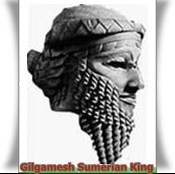
© 2010 tonynetone, Flickr | CC-BY | via Wylio
The Bhagavad Gita
The Bhagavad Gita was written between 4000 and 3000BCE and is a 700 verse narrative between Prince Arjuna and his charioteer, Lord Krishna. Arjuna is in a battle against a village that includes members of his family. What should he do? What is the right thing to do?
By His Holiness Bhaktiratna Sadhu Swami Gaurangapada via Wikimedia Commons
Previous Post

May 27, 2016
Developing Global Citizens with Film
Next Post
July 26, 2016 Prothero's Crash Courses in World Religions
Browse Our Archives
Select a Category Uncategorized
Select a Month May 2019 January 2017 December 2016 October 2016 September 2016 July 2016 May 2016 April 2016 March 2016 February 2016 January 2016 December 2015 November 2015 October 2015 September 2015 August 2015 July 2015 June 2015 May 2015 April 2015 March 2015 February 2015 January 2015 December 2014 November 2014 October 2014 September 2014 August 2014 July 2014 June 2014 May 2014 April 2014 March 2014 February 2014 January 2014 December 2013 November 2013 October 2013 September 2013 August 2013 July 2013 June 2013 May 2013 April 2013 March 2013 February 2013 January 2013
Follow Us!
TAKE THE
Religious Wisdom Quiz
In 1 Thessalonians, what does Paul say believers who are alive will be caught up together with to meet the Lord?
Select your answer to see how you score.
The prophets The martyrs Those who have fallen asleep (the dead in Christ) The angels
Related posts from World Religions


The Christmas Message That All Faiths Believe In

TRENDING AT PATHEOS Interfaith

Did Prayer Cure His Cancer? Or Was It...
At 4 AM one morning, Joshua W. Brown’s wife awoke to a...

8 Ways a Near-Death Experience Rewires the Soul
Does Consciousness Survive Physical Death? After 50 Years of Research, Dr. Raymond...

Holy Longing: What Our Restlessness Is Telling Us
“One can find so many pains when the rain is falling.” -John...

What this is NOT about. This blog is definitely not about...

Who said the Israelites were God’s chosen? That’s right, they did. Who...

The Spirit World Is the Real World: God...
A Monk’s Wisdom on Body and Spirit I sit with Brother Martin...
view all Interfaith blogs
Ad-Free & Subscriber Log-In Subscription Support
- About Us
- 2026 Calendar
- Videos
- Podcasts
- Library of World Religions
- Faith In Media Tracker
- Advertise With Us
- Write for Us
- Privacy Policy
- Terms of Service
- Do Not Sell My Data
- Contact Us
- Radiant Digital
- Manage Newsletter Subscriptions
- Unsubscribe From Notifications
- Sitemap
Copyright 2008-2026, Patheos. All rights reserved.
Subscription Support Ad-Free & Subscriber Log-In
Follow Patheos