
BuddhistCatholicContemplativeEvangelicalGeneral ChristianHinduJewishLatter-day SaintMuslimNew VisionsProgressive Christian
Beliefs
- Buddhist
- Catholic
- Contemplative
- Evangelical
- General Christian
- Hindu
- Jewish
- Latter-day Saint
- More Voices
- Muslim
- New Visions
- Pagan
- Progressive Christian
Topics
- Religion News
- Food and Religion
- Sports and Religion
- Religious Art
- Religious Music and Entertainment
- Religious Events
- History and Religion
- Style and Religion
- Politics and Religion
- Women in Religion
- Recreation Outdoors and Religion
- Business Finance and Religion
- Careers Workplace and Religion
- Education and Religion
- Family Parenting and Religion
- Health Fitness and Religion
- Home and Religion
- Relationships and Religion
- Technology and Religion
- Travel and Religion
Columnists
- Buddhist Columnists
- Business Finance and Religion Columnists
- Careers Workplace and Religion Columnists
- Catholic Columnists
- Contemplative Columnists
- Education and Religion Columnists
- Evangelists Columnists
- Family Parenting and Religion Columnists
- General Christian Columnists
- Health Fitness and Religion Columnists
- Hindu Columnists
- History and Religion Columnists
- Home and Religion Columnists
- Jewish Columnists
- More Voices Columnists
- Latter Day Columnists
- Muslim Columnists
- New Visions Columnists
- Nonreligious Columnists
- Pagan Columnists
- Politics and Religion Columnists
- Progressive Columnists
- Recreation Outdoors and Religion Columnists
- Relationships and Religion Columnists
- Religion News Columnists
- Religious Art Columnists
- Religious Events Columnists
- Religious Music and Entertainment Columnists
- Sports and Religion Columnists
- Style and Religion Columnists
- Technology and Religion Columnists
- Travel and Religion Columnists
- Women in Religion Columnists
Resource Library
- 2026 Calendar
- Library of World Religions
- The 100 Most Holy Places on Earth
- Patheos Answers
- Podcasts
- Videos
- Faith Leaders Database
- Anglican Episcopalian
- Bahai
- Baptist
- Buddhism
- Christianity
- Confucianism
- Eastern Orthodoxy
- Hinduism
- Holiness and Pentecostal
- ISKCON
- Islam
- Judaism
- Lutheran
- Methodist
- The Church of Jesus Christ of Latter-day Saints
- New Age
- Paganism
- Presbytarian and Reformed
- Protestantism
- Religion Behind the Scenes
- Roman Catholic
- Scientology
- Shia Islam
- Sikhism
- Sufism
- Sunni Islam
- Taoism
- Zen
- See all religions
Research Tools
 Ad-Free & Subscriber Log-In Subscription Support
Ad-Free & Subscriber Log-In Subscription Support
Follow Patheos 

- Trending:
- Forgiveness
- |
- Marriage
- |
- Consciousness
- |
- Death Penalty
- |
- Election
- |
- Halloween
 Whiskey Preacher
-
About Whiskey Preacher
- Home
- Progressive Christian
- Dignified Dialogue
Dignified Dialogue
Last updated on: January 20, 2014 at 9:03 am by whiskeyguest
Dignified Dialogue 2014-01-20T09:03:35-07:00 whiskeyguest
Patheos Explore the world's faith through different perspectives on religion and spirituality! Patheos has the views of the prevalent religions and spiritualities of the world.
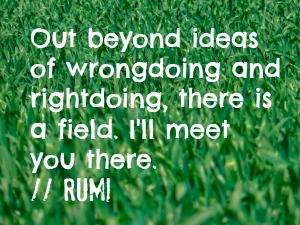
Guest Post by Kathy Escobar.
It seems like there are always a lot of sparks flying around the internet. The hotter the topic, the greater the sparks, and it often seems that controversy “sells.” That’s a whole other conversation entirely, but while the internet has so many positives, one of its greatest negatives is that people feel the freedom to say whatever they think without the realities of looking into eyes, being across the table from a real human heart, and actually seeing a person and knowing their story.
We’ve gotten used to words on the screen, not hearts in the flesh.
We’ve gotten used to positions, not stories.
And that’s dangerous.
At the same time in real life, some of these hard conversations are pretty tricky to have. Getting multiple voices in the same room is hard enough; add in some passionate differences when they start getting revealed and things can get even tougher, sometimes almost impossible. The internet has become an easier way to converse; it protects us from each other.
The church’s best hope, in my opinion, is to learn how to engage with our differences in far better ways.
To learn how to become safer people who can live in the tension of differing views.
To become better listeners.
To learn how to hold space for hard conversations–not just online but in real life.
To begin to see these differences as opportunities to learn instead of openings to convince.
Our job is not to bomb bridges, but to build them–across theological interpretations, denominational divides, views on justice and equality, color of skin, socioeconomics, gender, and everything in between. That’s peacemaking.
And I’ll be honest–sometimes I don’t want to.
In my own community, The Refuge, that I love and cherish, we have differing views on all kinds of things ranging from biblical interpretation to same-sex marriage to politics to everything in between. We’re trying to live in this tension and let Christ’s love bind us all together in perfect unity. Sometimes it’s tiring, and I want to have Christ’s love bind me together with people who believe the same things as me! But alas, that was never the idea.
The kingdom of God is not a homogeneous group but a diverse, eclectic, wild and crazy (and often annoying) one. We’re all tangled up in this together. And Jesus said we’d be known by our love.
And this means we are going to have to figure out how to be in this together, despite our differences.
For years I have been part of all shapes and sizes of recovery and support groups–12 step meetings, healing groups, you name it. In each and every group we always start our time together with “guidelines” that are read no matter how many years we’ve been together. We never forget to read them because we always need the reminder of how to participate well, how to be safer people in the group, and how to make sure that everyone has the best shot possible to engage with the content. Reading them never gets old.
A few years ago, when we were creating a space for the Denver Faith and Justice Conference participants to engage in safer conversations on tough justice issues, the team asked me to take a stab at some guidelines for what we called “Dignified Dialogue” for the gathering. We tweaked them a bit this year, but the essence has lasted.
It seems like they’ve been helpful to help us sit eye to eye, face to face, heart to heart around tables with people who see things different from us.
In this open spot while Phil is gone, I thought I’d share them here because I think they can be a good starting place for creating safer spaces for hard conversations, to increase the likelihood that we can build bridges instead of bomb them, to help us become more loving people who are willing to listen.
5 Guidelines for Dignified Dialogue:
1. Consider first: “that person is first and foremost a child of God, created in God’s image, worthy of dignity and respect”
2. Ask questions to clarify understanding instead of only make statements.
3. “Stick with “I think”, or “My opinion is” or “My interpretation of the Bible is” or “I understand the Bible to be saying…” instead of making generalizations like “God says” or “God thinks” or “the Bible says.
4. Remember that this is an opportunity to listen and learn, not to convince, give advice, or change anyone else.
5. Honor the time with brevity and give others a chance to finish their thought before sharing yours. (In blogging, I know this is different, but the truth is when people clog up comments with pages and pages of words, we stop listening).
Despite how many hard conversations I have been in, it never ceases to amaze me how hard it is to honor these! They are all challenging in different ways, but I think that #2 is often the most difficult. I like to get my two cents in. In some circles #3 is the hardest because we have been trained to use the God or Bible trump card and it just feels freaky not to. Hopefully we are willing to notice our weaknesses and ask God to help us learn how to sit at the table and engage with our brothers and sisters who are different from us in better ways.
These guidelines are just a start; they help provide a foundation for safety. Without them, I don’t believe we are able to go further. As we practice these, then hopefully we can move to deeper dignified dialogue where we engage more intently in some of these hard conversations where we have definite differences.
Here are some questions that can help take things to the next level:
- What is your story? How did you get to where you are are today? (The truth is that’s the best thing we’ve got, to hear each other’s real stories)
- What are some of the primary things that influenced you to believe what you now believe?
- How have some of your views changed over time?
- What troubles you about where you have currently landed? What doubts do you have about your position or perspective?
- What brings you the most peace? What parts feel most clear?
- How have you wrestled with the scriptures about this?
- What misperceptions do you think people might have about you or your views?
- What have been some of the costs to your beliefs? Relationships, church, jobs, etc.?
- How have you felt misunderstood?
- What are ways I might be able to help you feel more understood? (bonus points for this one!)
Here’s to better ways to have really difficult conversations. God, help us be open, willing, humble, and brave.
 Kathy Escobar co-pastors The Refuge, a mission center and Christian community in North Denver dedicated to helping hurting and hungry people find faith, hope, and dignity alongside each other. She’s passionate about healing community, equality, and change in the church and is author of several books, including Down We Go: Living into the Wild Ways of Jesus and writes regularly about life and faith at www.kathyescobar.com.
Previous Post

January 18, 2014
Welcoming, and Affirming… and Baptist
Next Post
January 22, 2014 Tongue Talking, Control, and the fallacies of logic
Browse Our Archives
Select a Category Are We Missing The Point? Podcast Articles Featured Job, Tattoos, & The Problem With Pain Podcasts Prayers Uncategorized Vidcasts WBR
Select a Month December 2016 November 2016 October 2016 July 2016 May 2015 November 2014 October 2014 September 2014 August 2014 June 2014 May 2014 January 2014 December 2013 October 2013 September 2013 August 2013 June 2013 May 2013 April 2013 March 2013 January 2013 December 2012 November 2012 October 2012 September 2012 June 2012 May 2012 April 2012 March 2012 February 2012 January 2012 November 2011 October 2011 July 2011 May 2011 March 2011 February 2011 December 2010 November 2010 October 2010 September 2010 August 2010 July 2010 June 2010 May 2010 April 2010 March 2010 February 2010 January 2010
Follow Us!
TAKE THE
Religious Wisdom Quiz
Who was thrown into a den of lions?
Select your answer to see how you score.
David Daniel Jonah Joseph
Related posts from Whiskey Preacher



Love Is A Seed... A Black Friday/Small Business...
TRENDING AT PATHEOS Progressive Christian

What Being a Modern-Day Apostle Means to Me
In my last column, I discussed the ins and outs of modern-day...

Did Ancient China Once Worship the God of...
Across human history, a common thread weaves through the origins of the...

Love Your Neighbor – Including Earth-Kin: Lev. 19,...
God’s command to love your neighbor means acting in an ethical and...

Lead a Church Study of “Jesus and Lao...
Guest writer Jack Thomas (The Irreverent Reverend) reflects on leading his church...

Pastoral Wisdom for Responding to Sermon Pushback
Getting sermon pushback on your social justice sermon? Learn practical, Proverbs-based strategies...

Principles for Understanding the Apostolic Ministry Today
Whenever people discover that my formal ministry title is "apostle," as in...
view all Progressive Christian blogs
Ad-Free & Subscriber Log-In Subscription Support
- About Us
- 2026 Calendar
- Videos
- Podcasts
- Library of World Religions
- Faith In Media Tracker
- Advertise With Us
- Write for Us
- Privacy Policy
- Terms of Service
- Do Not Sell My Data
- Contact Us
- Radiant Digital
- Manage Newsletter Subscriptions
- Unsubscribe From Notifications
- Sitemap
Copyright 2008-2026, Patheos. All rights reserved.
Subscription Support Ad-Free & Subscriber Log-In
Follow Patheos