
BuddhistCatholicContemplativeEvangelicalGeneral ChristianHinduJewishLatter-day SaintMuslimNew VisionsProgressive Christian
Beliefs
- Buddhist
- Catholic
- Contemplative
- Evangelical
- General Christian
- Hindu
- Jewish
- Latter-day Saint
- More Voices
- Muslim
- New Visions
- Pagan
- Progressive Christian
Topics
- Religion News
- Food and Religion
- Sports and Religion
- Religious Art
- Religious Music and Entertainment
- Religious Events
- History and Religion
- Style and Religion
- Politics and Religion
- Women in Religion
- Recreation Outdoors and Religion
- Business Finance and Religion
- Careers Workplace and Religion
- Education and Religion
- Family Parenting and Religion
- Health Fitness and Religion
- Home and Religion
- Relationships and Religion
- Technology and Religion
- Travel and Religion
Columnists
- Buddhist Columnists
- Business Finance and Religion Columnists
- Careers Workplace and Religion Columnists
- Catholic Columnists
- Contemplative Columnists
- Education and Religion Columnists
- Evangelists Columnists
- Family Parenting and Religion Columnists
- General Christian Columnists
- Health Fitness and Religion Columnists
- Hindu Columnists
- History and Religion Columnists
- Home and Religion Columnists
- Jewish Columnists
- More Voices Columnists
- Latter Day Columnists
- Muslim Columnists
- New Visions Columnists
- Nonreligious Columnists
- Pagan Columnists
- Politics and Religion Columnists
- Progressive Columnists
- Recreation Outdoors and Religion Columnists
- Relationships and Religion Columnists
- Religion News Columnists
- Religious Art Columnists
- Religious Events Columnists
- Religious Music and Entertainment Columnists
- Sports and Religion Columnists
- Style and Religion Columnists
- Technology and Religion Columnists
- Travel and Religion Columnists
- Women in Religion Columnists
Resource Library
- 2026 Calendar
- Library of World Religions
- The 100 Most Holy Places on Earth
- Patheos Answers
- Podcasts
- Videos
- Faith Leaders Database
- Anglican Episcopalian
- Bahai
- Baptist
- Buddhism
- Christianity
- Confucianism
- Eastern Orthodoxy
- Hinduism
- Holiness and Pentecostal
- ISKCON
- Islam
- Judaism
- Lutheran
- Methodist
- The Church of Jesus Christ of Latter-day Saints
- New Age
- Paganism
- Presbytarian and Reformed
- Protestantism
- Religion Behind the Scenes
- Roman Catholic
- Scientology
- Shia Islam
- Sikhism
- Sufism
- Sunni Islam
- Taoism
- Zen
- See all religions
Research Tools
 Ad-Free & Subscriber Log-In Subscription Support
Ad-Free & Subscriber Log-In Subscription Support
Follow Patheos 

- Trending:
- Forgiveness
- |
- Marriage
- |
- Consciousness
- |
- Death Penalty
- |
- Election
- |
- Halloween
 Way Station in the Wilderness
- Home
- Catholic
- Loving Ourselves for Lent
Loving Ourselves for Lent
Last updated on: February 20, 2020 at 2:52 pm by Kristy Burmeister
Loving Ourselves for Lent 2020-02-20T14:52:52-05:00 Kristy Burmeister
Patheos Explore the world's faith through different perspectives on religion and spirituality! Patheos has the views of the prevalent religions and spiritualities of the world.
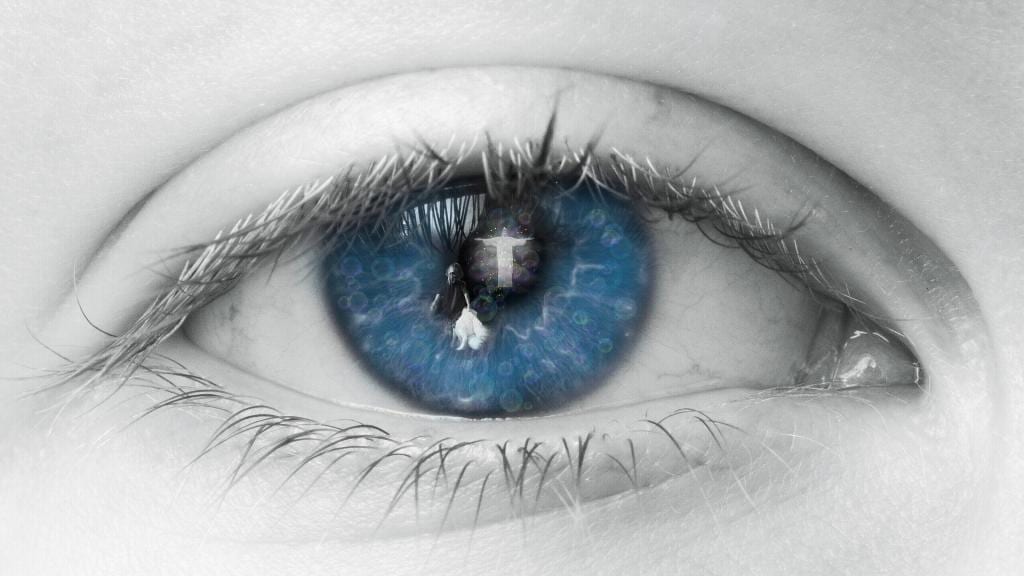
Credit: Pixabay
Lent is hard for some of us. It’s a time of penance, but how do we handle that if we’ve sinned against ourselves more than we’ve sinned against others?
We are all image bearers of God. Whatever we do to one another, we do to God. As you are also an image bearer, whatever you do to yourself, you do to God.
It’s not holy to be cruel to ourselves.
This is especially problematic within Christian traditions that dismiss suffering or even encourage us to suffer as if all suffering was always productive and should never be avoided. (It’s strange how the people in power, who encourage all that humility and suffering, aren’t usually willing to be humble or suffer themselves. Hmmm. Weird.)
I’ve been pretty cruel to myself over the years. I don’t have a problem with being greedy and putting my wants ahead of other people’s needs. When I first started observing Lent, I struggled to find anything to give up. I just don’t allow myself many of what I’d consider to be luxuries. I barely have what I need to survive as it is. For me to give up things I don’t even do to begin with would be ridiculous.
It’s easy for me to deprive myself. I do it all the time, for no dang reason at all, just because I’m hard on myself. I don’t struggle to love others. It’s very much the opposite. I find it’s easy to love others, even people who don’t particularly care for me. I find it very hard to love myself.
This Lent I’m doing penance for that.
Penance is a way of making things right when you’ve done something wrong. Well, I’ve wronged myself. I won’t be giving anything up for Lent since that would just wind up being an extension of all the ways I’ve denied myself in the past. Instead, I’m going to do what I’ve been doing for the past few years. I’ll be adding a daily practice for Lent.
I’ve added different things for Lent in other years, but this year I’m going to do one kind thing for myself each day. It’s a hard thing to do. I have to look at myself through someone else’s eyes—through Christ’s eyes. It’s going to be a serious challenge.
It might sound selfish, but it’s not an act of selfishness when your biggest transgressions have been against yourself. It’s a way of working with God to heal the damage done.
I talk about justice a lot. I believe it’s a Christian’s duty to work for justice instead of ignoring or romanticizing suffering. Why would I be exempt from that justice work? Why would I be any less deserving of love and compassion than the next person?
I’m sharing this because I know a lot of other people are in the same boat. I think there’s a lot of value in people who already care about themselves and tend to prioritize themselves above others giving up something they enjoy. If you’re someone who finds it easier to care for yourself than for others, I’m not addressing you. Not everyone is in the same situation. We don’t all struggle with the same issues. Some of us need to give something up to do penance and grow spiritually. Some of us need to do penance and grow in different ways.
Loving ourselves doesn’t mean being egotistical or narcissistic. It means recognizing we are all valuable and we are all loved. If you have trouble caring for yourself, Lent can be difficult, not just because you really, really want that cup of coffee, but because when you’re already hurting on a deep level, taking away one of the few things you enjoy can feel like piling onto the punishment you’ve already received. This is even truer if someone is dealing with depression or has dealt with religious abuse. Instead of not participating in Lent at all, there are other options if you think it would be healthier for your spiritual life.
If you feel the same way I do, give it some thought. Maybe for Lent, you could also do something kind for yourself each day. Each a vegetable. Take a shower. Get your teeth cleaned. Schedule a therapy appointment. It’s not about putting ourselves above everyone else. It’s about not grinding ourselves into the dirt for no reason. God says we’re loved and valued. Who are we to argue with God?
If my biggest sin is being cruel to one of God’s children—myself—that’s the sin I need to work on.
Sign up with your email or follow me on Instagram, Twitter, or Facebook to chat with me and keep up with new posts.
Previous Post

January 20, 2020
Online Christian Communities: An Interview with 4 Leaders
Browse Our Archives
Select a Category Bible Book Review Catholicism Christianity Church Trauma Current Events Feminism Politics Poverty Racism Sacred Forms Saints Sexualized Violence Suffering Writing
Select a Month February 2020 January 2020 December 2019 October 2019 June 2019 May 2019 April 2019 March 2019 February 2019 January 2019 December 2018 November 2018 October 2018 September 2018 August 2018 July 2018
Follow Us!
TAKE THE
Religious Wisdom Quiz
Who said, "I am doing a great work, so that I cannot come down"?
Select your answer to see how you score.
Nehemiah Solomon Elijah Joshua
Related posts from Way Station in the Wilderness

Online Christian Communities: An Interview with 4 Leaders

Review: The #MeToo Reckoning by Ruth Everhart
Sacred Forms: The Postpartum Body

When Christmas is a Trauma Trigger
TRENDING AT PATHEOS Catholic

Rejecting Doom: Christian Hope And Human Action
Christianity is a religion of hope. We are to have hope and...

It’s What Comes From Within Which Matters
One of the most difficult things for us to understand is why...

Why I Choose the Eucharist Over the Sermon
Choose the Eucharist, Not the Sermon What are we supposed to get...

5 Design Elements Found in Spiritually Rooted Homes
Putting Spirituality Into Home Decor Our homes are more than our living...

Credo: A Story of God Told with the...
About 10 years ago, I began to imagine a personal "Credo" that...

The Anatomy of Divine Revelation in Catholic Thought
The claim that God has made Himself known to human beings is...
view all Catholic blogs
Ad-Free & Subscriber Log-In Subscription Support
- About Us
- 2026 Calendar
- Videos
- Podcasts
- Library of World Religions
- Faith In Media Tracker
- Advertise With Us
- Write for Us
- Privacy Policy
- Terms of Service
- Do Not Sell My Data
- Contact Us
- Radiant Digital
- Manage Newsletter Subscriptions
- Unsubscribe From Notifications
- Sitemap
Copyright 2008-2026, Patheos. All rights reserved.
Subscription Support Ad-Free & Subscriber Log-In
Follow Patheos