
BuddhistCatholicContemplativeEvangelicalGeneral ChristianHinduJewishLatter-day SaintMuslimNew VisionsProgressive Christian
Beliefs
- Buddhist
- Catholic
- Contemplative
- Evangelical
- General Christian
- Hindu
- Jewish
- Latter-day Saint
- More Voices
- Muslim
- New Visions
- Pagan
- Progressive Christian
Topics
- Religion News
- Food and Religion
- Sports and Religion
- Religious Art
- Religious Music and Entertainment
- Religious Events
- History and Religion
- Style and Religion
- Politics and Religion
- Women in Religion
- Recreation Outdoors and Religion
- Business Finance and Religion
- Careers Workplace and Religion
- Education and Religion
- Family Parenting and Religion
- Health Fitness and Religion
- Home and Religion
- Relationships and Religion
- Technology and Religion
- Travel and Religion
Columnists
- Buddhist Columnists
- Business Finance and Religion Columnists
- Careers Workplace and Religion Columnists
- Catholic Columnists
- Contemplative Columnists
- Education and Religion Columnists
- Evangelists Columnists
- Family Parenting and Religion Columnists
- General Christian Columnists
- Health Fitness and Religion Columnists
- Hindu Columnists
- History and Religion Columnists
- Home and Religion Columnists
- Jewish Columnists
- More Voices Columnists
- Latter Day Columnists
- Muslim Columnists
- New Visions Columnists
- Nonreligious Columnists
- Pagan Columnists
- Politics and Religion Columnists
- Progressive Columnists
- Recreation Outdoors and Religion Columnists
- Relationships and Religion Columnists
- Religion News Columnists
- Religious Art Columnists
- Religious Events Columnists
- Religious Music and Entertainment Columnists
- Sports and Religion Columnists
- Style and Religion Columnists
- Technology and Religion Columnists
- Travel and Religion Columnists
- Women in Religion Columnists
Resource Library
- 2026 Calendar
- Library of World Religions
- The 100 Most Holy Places on Earth
- Patheos Answers
- Podcasts
- Videos
- Faith Leaders Database
- Anglican Episcopalian
- Bahai
- Baptist
- Buddhism
- Christianity
- Confucianism
- Eastern Orthodoxy
- Hinduism
- Holiness and Pentecostal
- ISKCON
- Islam
- Judaism
- Lutheran
- Methodist
- The Church of Jesus Christ of Latter-day Saints
- New Age
- Paganism
- Presbytarian and Reformed
- Protestantism
- Religion Behind the Scenes
- Roman Catholic
- Scientology
- Shia Islam
- Sikhism
- Sufism
- Sunni Islam
- Taoism
- Zen
- See all religions
Research Tools
 Ad-Free & Subscriber Log-In Subscription Support
Ad-Free & Subscriber Log-In Subscription Support
Follow Patheos 

- Trending:
- Forgiveness
- |
- Marriage
- |
- Consciousness
- |
- Death Penalty
- |
- Election
- |
- Halloween
 Way Station in the Wilderness
- Home
- Catholic
- When Christmas is a Trauma Trigger
When Christmas is a Trauma Trigger
Last updated on: December 10, 2019 at 3:51 pm by Kristy Burmeister
When Christmas is a Trauma Trigger 2019-12-10T15:51:43-05:00 Kristy Burmeister
Patheos Explore the world's faith through different perspectives on religion and spirituality! Patheos has the views of the prevalent religions and spiritualities of the world.
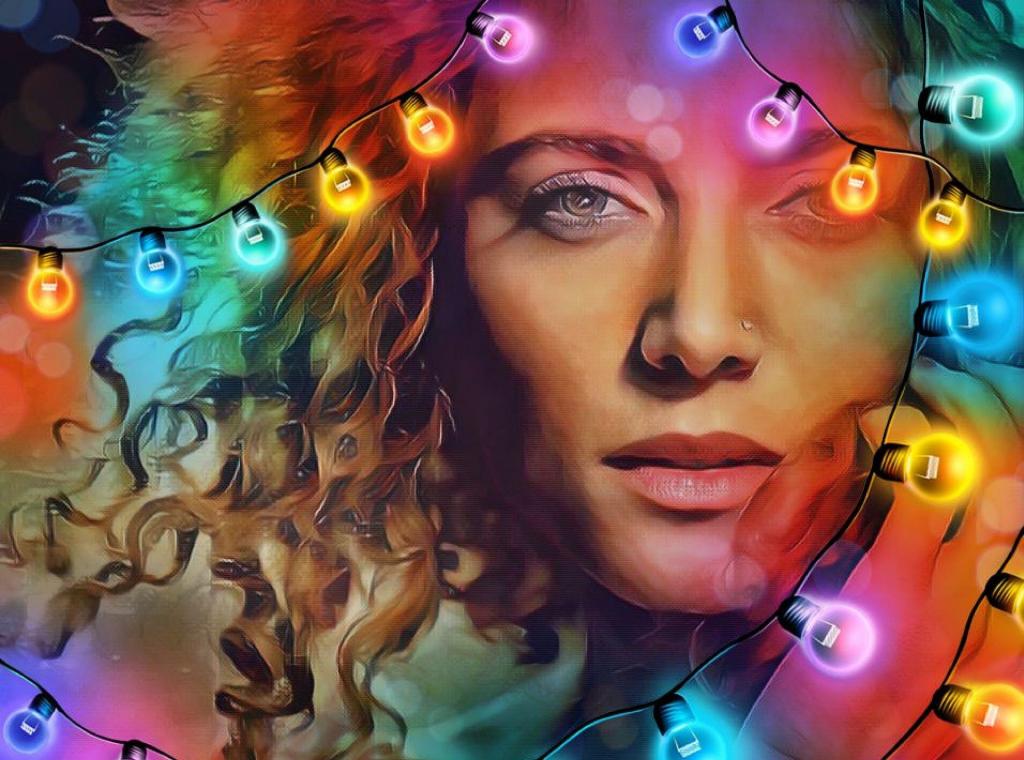
Credit: Pixabay
Christmas can be a significant trauma trigger, especially for anyone who has been through religious trauma. If we’re already dealing with PTSD or trying to heal from our trauma, it’s not surprising the holiday season could affect us.
Dealing with Difficult Memories
People tend to get nostalgic around Christmas. We may find ourselves reflecting on old memories. Some of those memories may be painful because we remember being hurt. Other memories may be painful because we’re remembering something, or someone, we’ve lost. This can be especially difficult if we’re thinking of happy memories with people we’ve had to cut out of our lives, whether those people are family members or people a toxic church community we’ve left.
Feelings of Guilt
Christmas can bring up feelings of guilt, especially for people who’ve endured religious trauma. If we have decided to deviate from how our toxic church communities observed Christmas in the past, it can stir up all sorts of emotions. We might feel guilty or afraid because we’re “breaking the rules.” We might experience panic about what sort of judgment God has in store for us. The truth is, God understands how hard it is to leave unhealthy religious practices and work toward finding a healthier way of expressing our faith. He isn’t going to smite a hurting person over Christmas traditions.
Setting Boundaries
As we go through the healing process, we learn how to set healthy boundaries. However, some people in our lives will see our healthy boundaries as a direct challenge to their authority or as a personal attack on them. If you choose not to attend Christmas Eve dinner with your emotionally abusive family members, they will likely push back. You don’t owe anyone your presence or your energy, but it’s still difficult to deal with the backlash that can come with setting those boundaries and undoing a lifetime of dysfunctional familial conditioning.
Feeling Conflicted
It’s normal to feel conflicted about Christmas if you’ve endured trauma, and it’s even more expected if you’ve endured religious trauma. You may be struggling with your faith, feeling angry, or grieving for the life you had. You might not be sure if you’ll be up for attending any religious services. You might not want to observe Christmas at all. If you aren’t sure how you feel about the holiday, that’s OK.
Managing Our Emotions
When dealing with a trauma trigger, it can be hard to scale our emotions appropriately. If we add the pressure and stress of the holidays onto that, it can be even more difficult. We may find ourselves snapping at others. We might experience emotional reactions that are out of proportion to what’s actually happening in the moment. It’s important to understand these are reactions born out of trauma. If we overract in the moment, we should acknowledge the overreaction and apologize to anyone who bore the brunt of it.
Missing Toxic People
It’s one thing to realize we’re in a toxic environment. It’s another thing to leave that environment behind. Untangling yourself from a toxic religious environment can be painful and isolating. When your main source of community is your church, and you leave that church, you wind up losing your community as well. Just because you can’t be around some of those people anymore (because you made a choice to remove yourself or because they made a choice to shun you for not toeing the line), doesn’t mean you won’t miss them. The holidays can bring this sense of loneliness to the surface, even if you’ve been coping fairly well the rest of the year.
How to Observe Christmas
You can observe Christmas in whatever way is healthiest for you. You don’t have to cave to other people’s demands. You don’t have to see anyone who has hurt you. You don’t have to go anywhere that would cause you pain.
If you have children, and you’re trying to balance your own mental well-being with your children’s enjoyment, remember that this is just one Christmas out of many. If moving an elf around your house is going to cause you additional stress, just don’t do it. Make sure you aren’t putting too much pressure on yourself. Don’t worry about what other families are doing. Do what’s healthiest for you and yours.
Sign up with your email or follow me on Instagram, Twitter, or Facebook to chat with me and keep up with new posts.
My memoir, Act Normal: Memoir of a Stumbling Block, is on sale this week for $1.99.
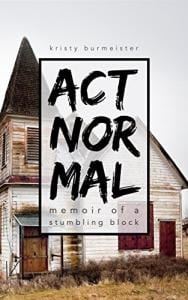
Amazon Reviewers said:
“I could not put this book down. I honestly read it in one sitting, but it stayed with me long after.”
“An eye-opening narrative of what you get when the devastating effects of the objectification of women are multiplied by bad theology.”
“This is one of the most honest and gripping stories I have ever read. I am also a trauma survivor and can say that this story will break your heart and build it back up.”
Previous Post
December 9, 2019
Sitting with Mary
Next Post
December 13, 2019 Sacred Forms: The Postpartum Body
Browse Our Archives
Select a Category Bible Book Review Catholicism Christianity Church Trauma Current Events Feminism Politics Poverty Racism Sacred Forms Saints Sexualized Violence Suffering Writing
Select a Month February 2020 January 2020 December 2019 October 2019 June 2019 May 2019 April 2019 March 2019 February 2019 January 2019 December 2018 November 2018 October 2018 September 2018 August 2018 July 2018
Follow Us!
TAKE THE
Religious Wisdom Quiz
Who climbed a sycamore tree to see Jesus?
Select your answer to see how you score.
Zacchaeus Bartimaeus Simon Nicodemus
Related posts from Way Station in the Wilderness

Online Christian Communities: An Interview with 4 Leaders
Review: The #MeToo Reckoning by Ruth Everhart
Sacred Forms: The Postpartum Body
TRENDING AT PATHEOS Catholic

Rejecting Doom: Christian Hope And Human Action
Christianity is a religion of hope. We are to have hope and...

It’s What Comes From Within Which Matters
One of the most difficult things for us to understand is why...

Why I Choose the Eucharist Over the Sermon
Choose the Eucharist, Not the Sermon What are we supposed to get...

5 Design Elements Found in Spiritually Rooted Homes
Putting Spirituality Into Home Decor Our homes are more than our living...

Credo: A Story of God Told with the...
About 10 years ago, I began to imagine a personal "Credo" that...

The Anatomy of Divine Revelation in Catholic Thought
The claim that God has made Himself known to human beings is...
view all Catholic blogs
Ad-Free & Subscriber Log-In Subscription Support
- About Us
- 2026 Calendar
- Videos
- Podcasts
- Library of World Religions
- Faith In Media Tracker
- Advertise With Us
- Write for Us
- Privacy Policy
- Terms of Service
- Do Not Sell My Data
- Contact Us
- Radiant Digital
- Manage Newsletter Subscriptions
- Unsubscribe From Notifications
- Sitemap
Copyright 2008-2026, Patheos. All rights reserved.
Subscription Support Ad-Free & Subscriber Log-In
Follow Patheos