
BuddhistCatholicContemplativeEvangelicalGeneral ChristianHinduJewishLatter-day SaintMuslimNew VisionsProgressive Christian
Beliefs
- Buddhist
- Catholic
- Contemplative
- Evangelical
- General Christian
- Hindu
- Jewish
- Latter-day Saint
- More Voices
- Muslim
- New Visions
- Pagan
- Progressive Christian
Topics
- Religion News
- Food and Religion
- Sports and Religion
- Religious Art
- Religious Music and Entertainment
- Religious Events
- History and Religion
- Style and Religion
- Politics and Religion
- Women in Religion
- Recreation Outdoors and Religion
- Business Finance and Religion
- Careers Workplace and Religion
- Education and Religion
- Family Parenting and Religion
- Health Fitness and Religion
- Home and Religion
- Relationships and Religion
- Technology and Religion
- Travel and Religion
Columnists
- Buddhist Columnists
- Business Finance and Religion Columnists
- Careers Workplace and Religion Columnists
- Catholic Columnists
- Contemplative Columnists
- Education and Religion Columnists
- Evangelists Columnists
- Family Parenting and Religion Columnists
- General Christian Columnists
- Health Fitness and Religion Columnists
- Hindu Columnists
- History and Religion Columnists
- Home and Religion Columnists
- Jewish Columnists
- More Voices Columnists
- Latter Day Columnists
- Muslim Columnists
- New Visions Columnists
- Nonreligious Columnists
- Pagan Columnists
- Politics and Religion Columnists
- Progressive Columnists
- Recreation Outdoors and Religion Columnists
- Relationships and Religion Columnists
- Religion News Columnists
- Religious Art Columnists
- Religious Events Columnists
- Religious Music and Entertainment Columnists
- Sports and Religion Columnists
- Style and Religion Columnists
- Technology and Religion Columnists
- Travel and Religion Columnists
- Women in Religion Columnists
Resource Library
- 2026 Calendar
- Library of World Religions
- The 100 Most Holy Places on Earth
- Patheos Answers
- Podcasts
- Videos
- Faith Leaders Database
- Anglican Episcopalian
- Bahai
- Baptist
- Buddhism
- Christianity
- Confucianism
- Eastern Orthodoxy
- Hinduism
- Holiness and Pentecostal
- ISKCON
- Islam
- Judaism
- Lutheran
- Methodist
- The Church of Jesus Christ of Latter-day Saints
- New Age
- Paganism
- Presbytarian and Reformed
- Protestantism
- Religion Behind the Scenes
- Roman Catholic
- Scientology
- Shia Islam
- Sikhism
- Sufism
- Sunni Islam
- Taoism
- Zen
- See all religions
Research Tools
 Ad-Free & Subscriber Log-In Subscription Support
Ad-Free & Subscriber Log-In Subscription Support
Follow Patheos 

- Trending:
- Forgiveness
- |
- Marriage
- |
- Consciousness
- |
- Death Penalty
- |
- Election
- |
- Halloween
 Way Station in the Wilderness
- Home
- Catholic
- Sacred Forms: The Postpartum Body
Sacred Forms: The Postpartum Body
Last updated on: December 13, 2019 at 9:49 am by Kristy Burmeister
Sacred Forms: The Postpartum Body 2019-12-13T09:49:05-05:00 Kristy Burmeister
Patheos Explore the world's faith through different perspectives on religion and spirituality! Patheos has the views of the prevalent religions and spiritualities of the world.
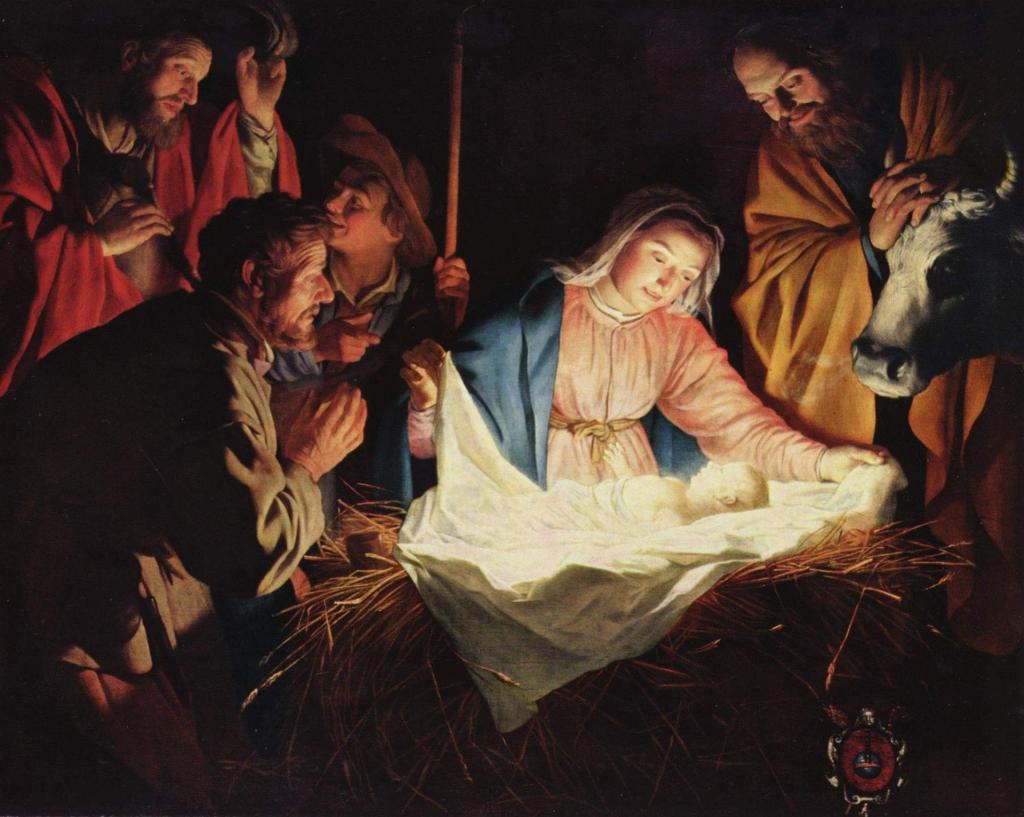
Credit: Pixabay
Christmas is a time when we celebrate the birth of Jesus, and obviously his mother plays a large role in that story. Jesus’s birth story wraps up around the time he gets wrapped in swaddling clothes, but that’s not where the story ended for Mary.
Mary, did you know you’d experience heavy vaginal bleeding, constipation, and breast pain? (I mean, she probably did know.)
Postpartum bodies don’t just snap back immediately after giving birth. Pregnancy changes our bodies in some dramatic ways. It takes time to heal from the intense, and painful, experience of giving birth.
Uterus
The uterus grows from about the size of a small pear to the size of a watermelon during pregnancy. It takes about six weeks for it to shrink back down to its pre-pregnancy size. This is why women who have just given birth still look like they’re pregnant. As the uterus contracts and shrinks, there can be painful cramping.
Vagina
During a vaginal birth, the vagina stretches enough to accommodate a human head. That’s a lot of stretching. It takes anywhere from three to six weeks for the vaginal area to heal after giving birth. If there was any tearing, or if an episiotomy (a cut made by a doctor) was performed, it can take even longer.
It’s not true that the vagina is noticeably looser after it’s healed from childbirth. A trained medical professional will know a woman has previously given birth, but a sexual partner will not. Vaginal walls are much more elastic than people give them credit for being.
Bleeding
Postpartum bleeding is called lochia, and it’s like having a dozen periods all at once. Lochia contains blood, tissue, and mucus. While the heaviest bleeding happens during the first ten days, the bleeding can last for up to six weeks.
Perineum
The perineum is a small area that separates the vaginal opening from the anus. This area is prone to tearing during vaginal deliveries. Even if it doesn’t tear, the area will be sore after pushing.
C-Section Recovery
If there was a C-Section delivery, there will be an incision to care for on top of the other healing the body is going through. It takes about 6 weeks to heal from a C-Section delivery.
Skin
As the uterus grew, the abdominal skin had to stretch. After giving birth, most women find they have permanent stretch marks. Sometimes the abdominal skin remains loose after giving birth, even after the uterus shrinks back down and if the woman goes back to her pre-pregnancy weight. If this happens, it doesn’t matter how much a mother works out. She can have rock hard abs and still have loose skin sitting on top of them. This is very common and not a personal fitness failure.
Breasts
As milk comes in, breasts can be tender to downright painful.
While some women who choose to breastfeed don’t experience pain during feeding, other women find it to be extremely painful.
Some women experience dysphoric milk ejection reflex, which is a condition that causes negative emotions (depression, anxiety, irritability…) just before milk is released. This is caused by hormones tied directly to breastfeeding and isn’t the same as postpartum depression.
Bathroom Difficulties
Some postpartum women have a hard time urinating for the first couple of days after giving birth. Constipation is another common issue soon after delivery. Pushing an entire human being out of a vagina can also cause hemorrhoids, which can make it even more difficult to use the bathroom.
Hormones
During pregnancy, estrogen and progesterone are produced at greater levels than usual. Soon after giving birth, those hormone levels nosedive quickly, which can lead to temporary mood swings or can be a triggering factor in developing postpartum depression.
After the First Six Weeks
We all know that giving birth is potentially life-threatening. Most people think a woman is out of danger after the baby is delivered, but the truth is women can continue to have pregnancy-related medical complications for up to a year after giving birth. Postpartum women are at risk of having blood clots, blood pressure issues, hemorrhaging, depression, and infections.
For a mother, giving birth isn’t the end of the pregnancy. The recovery time takes at least 6 weeks, while many women require much more time for their bodies to fully heal, especially if they’ve experienced complications. Pregnancy isn’t just a nine-month commitment like we think. A mother spends almost an entire year either growing a human being inside of her or healing from that experience.
More Sacred Forms posts
Sign up with your email or follow me on Instagram, Twitter, or Facebook to chat with me and keep up with new posts.
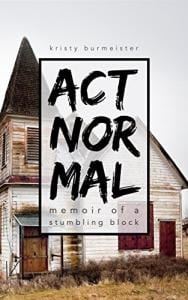
My memoir, Act Normal: Memoir of a Stumbling Block, is on sale this week for $1.99.
Amazon Reviewers said:
“I could not put this book down. I honestly read it in one sitting, but it stayed with me long after.”
“An eye-opening narrative of what you get when the devastating effects of the objectification of women are multiplied by bad theology.”
“This is one of the most honest and gripping stories I have ever read. I am also a trauma survivor and can say that this story will break your heart and build it back up.”
Previous Post

December 10, 2019
When Christmas is a Trauma Trigger
Next Post

January 17, 2020 Review: The #MeToo Reckoning by Ruth Everhart
Browse Our Archives
Select a Category Bible Book Review Catholicism Christianity Church Trauma Current Events Feminism Politics Poverty Racism Sacred Forms Saints Sexualized Violence Suffering Writing
Select a Month February 2020 January 2020 December 2019 October 2019 June 2019 May 2019 April 2019 March 2019 February 2019 January 2019 December 2018 November 2018 October 2018 September 2018 August 2018 July 2018
Follow Us!
TAKE THE
Religious Wisdom Quiz
What does the Bible say about greed?
Select your answer to see how you score.
It is always wise It helps you win It is best It leads to ruin
Related posts from Way Station in the Wilderness

Online Christian Communities: An Interview with 4 Leaders
Review: The #MeToo Reckoning by Ruth Everhart

When Christmas is a Trauma Trigger
TRENDING AT PATHEOS Catholic

Rejecting Doom: Christian Hope And Human Action
Christianity is a religion of hope. We are to have hope and...

It’s What Comes From Within Which Matters
One of the most difficult things for us to understand is why...

Why I Choose the Eucharist Over the Sermon
Choose the Eucharist, Not the Sermon What are we supposed to get...

5 Design Elements Found in Spiritually Rooted Homes
Putting Spirituality Into Home Decor Our homes are more than our living...

Credo: A Story of God Told with the...
About 10 years ago, I began to imagine a personal "Credo" that...

The Anatomy of Divine Revelation in Catholic Thought
The claim that God has made Himself known to human beings is...
view all Catholic blogs
Ad-Free & Subscriber Log-In Subscription Support
- About Us
- 2026 Calendar
- Videos
- Podcasts
- Library of World Religions
- Faith In Media Tracker
- Advertise With Us
- Write for Us
- Privacy Policy
- Terms of Service
- Do Not Sell My Data
- Contact Us
- Radiant Digital
- Manage Newsletter Subscriptions
- Unsubscribe From Notifications
- Sitemap
Copyright 2008-2026, Patheos. All rights reserved.
Subscription Support Ad-Free & Subscriber Log-In
Follow Patheos