
BuddhistCatholicContemplativeEvangelicalGeneral ChristianHinduJewishLatter-day SaintMuslimNew VisionsProgressive Christian
Beliefs
- Buddhist
- Catholic
- Contemplative
- Evangelical
- General Christian
- Hindu
- Jewish
- Latter-day Saint
- More Voices
- Muslim
- New Visions
- Pagan
- Progressive Christian
Topics
- Religion News
- Food and Religion
- Sports and Religion
- Religious Art
- Religious Music and Entertainment
- Religious Events
- History and Religion
- Style and Religion
- Politics and Religion
- Women in Religion
- Recreation Outdoors and Religion
- Business Finance and Religion
- Careers Workplace and Religion
- Education and Religion
- Family Parenting and Religion
- Health Fitness and Religion
- Home and Religion
- Relationships and Religion
- Technology and Religion
- Travel and Religion
Columnists
- Buddhist Columnists
- Business Finance and Religion Columnists
- Careers Workplace and Religion Columnists
- Catholic Columnists
- Contemplative Columnists
- Education and Religion Columnists
- Evangelists Columnists
- Family Parenting and Religion Columnists
- General Christian Columnists
- Health Fitness and Religion Columnists
- Hindu Columnists
- History and Religion Columnists
- Home and Religion Columnists
- Jewish Columnists
- More Voices Columnists
- Latter Day Columnists
- Muslim Columnists
- New Visions Columnists
- Nonreligious Columnists
- Pagan Columnists
- Politics and Religion Columnists
- Progressive Columnists
- Recreation Outdoors and Religion Columnists
- Relationships and Religion Columnists
- Religion News Columnists
- Religious Art Columnists
- Religious Events Columnists
- Religious Music and Entertainment Columnists
- Sports and Religion Columnists
- Style and Religion Columnists
- Technology and Religion Columnists
- Travel and Religion Columnists
- Women in Religion Columnists
Resource Library
- 2026 Calendar
- Library of World Religions
- The 100 Most Holy Places on Earth
- Patheos Answers
- Podcasts
- Videos
- Faith Leaders Database
- Anglican Episcopalian
- Bahai
- Baptist
- Buddhism
- Christianity
- Confucianism
- Eastern Orthodoxy
- Hinduism
- Holiness and Pentecostal
- ISKCON
- Islam
- Judaism
- Lutheran
- Methodist
- The Church of Jesus Christ of Latter-day Saints
- New Age
- Paganism
- Presbytarian and Reformed
- Protestantism
- Religion Behind the Scenes
- Roman Catholic
- Scientology
- Shia Islam
- Sikhism
- Sufism
- Sunni Islam
- Taoism
- Zen
- See all religions
Research Tools
 Ad-Free & Subscriber Log-In Subscription Support
Ad-Free & Subscriber Log-In Subscription Support
Follow Patheos 

- Trending:
- Forgiveness
- |
- Marriage
- |
- Consciousness
- |
- Death Penalty
- |
- Election
- |
- Halloween
 Way Station in the Wilderness
- Home
- Catholic
- Sexual Assault Victims Who Turn on Sexual Assault Victims
Sexual Assault Victims Who Turn on Sexual Assault Victims
Last updated on: October 1, 2018 at 9:13 am by Kristy Burmeister
Sexual Assault Victims Who Turn on Sexual Assault Victims 2018-10-01T09:13:58-04:00 Kristy Burmeister
Patheos Explore the world's faith through different perspectives on religion and spirituality! Patheos has the views of the prevalent religions and spiritualities of the world.

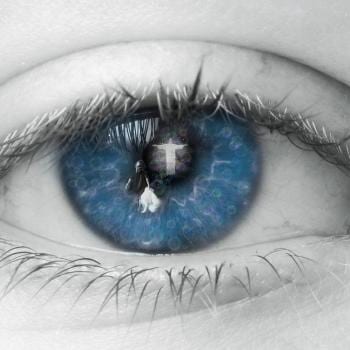
Image credit: Pixabay
Most sexual assault survivors are supportive of other survivors, but sometimes a sexual assault victim comes along who isn’t supportive. Sometimes these victims are outright hostile toward survivors. It can be hard to understand why these fellow victims would try to throw other victims under the bus. In my experience, there are a few reasons this might happen, and I believe it’s important for us to be aware of these reasons as we’re having these difficult conversations.
Safety in Silence
A victim who hasn’t reported her assault might see victims who do report as a threat. There are all sorts of reasons a victim might not report their assault. It might be because they don’t want to go through the ordeal of reporting when they know it’s highly unlikely to accomplish anything. It might be because they’re living in a situation that makes it unsafe for them to report. It could be because they don’t think anyone will believe them. It might even be because they’re worried about losing their social status if they come forward.
For whatever reason, many victims believe it’s safest to remain silent. As much as I support reporting, in some cases, that’s accurate. It’s not always in the victim’s best interest to report. However, it is in society’s best interest for most victims to report since we can’t fix something when we don’t know there’s a problem. And that’s where things get messy.
We don’t like to feel judged about the choices we make. Some people are capable of understanding their situation isn’t the same as everyone else’s situation, so they can understand that someone else making a choice that’s different from their own doesn’t mean they made the wrong choice. Other people don’t see the world that way. They feel like anyone who has made a different choice is saying the choice they made was wrong. When you see reporting sexual assault in that light, it’s easy to see how victims who don’t report could feel judged and attacked simply by the fact that other victims have reported their assaults. It comes from the “my way is the only correct way, in all contexts” line of thinking.
Most survivors who have reported their assaults aren’t actually judging anyone who doesn’t report. We understand the cost. Most of us advocate for coming forward in your own time, when and if you feel you can handle it. Some people will never be able to handle it, and that’s OK.
When you see someone who says they’re a victim, but then comes down on victims who make their accusations public, this might be what you’re actually dealing with. They might feel judged and feel like the safety of their silence is being threatened, not by predators, but by victims who refuse to be silent.
They may even feel guilty about staying quiet while so many other survivors are out there speaking up. Guilt is a powerful motivator. Rather than dealing with their feelings of guilt, they might go for avoidance of triggers instead. Instead of realizing the prevalence of sexualized violence in our culture is the actual trigger, they’ll go after the safer target: victims who are speaking up and reminding them of their own trauma.
They Might Actually be a Jerk
Anyone can be the victim of sexual assault. Women. Men. Straight. LGBTQ. Adults. Children. Elders.
And jerks. Jerks can be sexually assaulted too.
I want to be clear. Nobody deserves to be sexually assaulted. I’m out here advocating for the right of jerks to live their lives free of sexualized violence too. But it’s important to understand that a person being a victim doesn’t somehow make them exempt from being, well, kind of terrible.
Someone who is sexist might also be a victim of sexual assault. (Remember, women can be sexist against women. Being a woman doesn’t make someone immune to harming women.) Someone who is narcissistic and doesn’t care at all about the suffering of others might also be a victim of sexual assault.
People tend to have this vision of the perfect victim when they talk about these cases. If someone doesn’t fit that image, they’re mentally discarded from the label. But that’s not reality. In reality, someone can be both a victim and a victimizer. Victims can actively work against other victims and enable abuse to continue.
Challenge to Their Belief System
It’s easy to point the finger at other groups when sexualized violence is exposed. It’s much harder to look inside our own walls and acknowledge it.
Some victims will turn on other victims when it threatens their belief system or their “tribe.” The reality is sexualized violence is a problem for every group of people. Nobody is immune.
We tend to get defensive when our worldview is challenged. Often, it’s not about the allegations so much as it’s about these victims refusing to evaluate their belief systems. When someone’s identity is wrapped up in something like a political identity or a religious identity, even victims who might otherwise empathize with fellow victims will turn on them and go on the attack. Even if they aren’t consciously aware of doing it, they’re willing to sacrifice their fellow victims on the altar of pride to maintain the comfort of believing they’re right.
It’s a defensive move that isn’t based in reality or logic.
Misunderstanding Assault or Not Wanting to Face it
Some victims will downplay what happened to them as a coping mechanism. Full disclosure: This is something I personally struggle with, so I get it.
Here’s the trouble: If I’m downplaying my experience of being sexually assaulted, what does that mean when one of my friends comes to me and tells me the exact same thing happened to her? Do I continue to downplay what happened, which means I have to be dismissive of my friend’s experience in order to keep up the illusion that what happened to me was no big deal? Or do I support my friend and acknowledge that what happened to her was a very big deal, which means I have to finally face what happened to me and deal with it?
It’s a difficult position to be in. When we were walking around with our stories in isolation, it was much easier to pretend we had overreacted to what happened. It’s not so easy when you realize just how many other survivors are out there with stories identical to yours, and just how big of an impact it had on them.
I’m not saying someone who has coped well with their assault needs to suddenly have a meltdown. I’m talking about people who never did cope with their assault. They never actually worked through it because they were too busy acting like it wasn’t a big deal.
We’re a year into #MeToo. One of the most important things I saw last year was survivors realizing it’s OK to view their own assaults as a problem. It gave us permission to call assault what it is instead of pretending it’s normal behavior. When a man just up and grabs your breasts when you don’t want him to, that’s assault. There’s no reason to downplay it just because it wasn’t worse. Being groped is more than bad enough to justify the impact it had on you.
But some survivors still aren’t there. For years, some of us walk around saying, “Well, what happened to me wasn’t really sexual assault,” when it absolutely was. That doesn’t mean we all need to have equal reactions to it. If someone is able to move forward from it fairly easily, that’s valid, but it doesn’t make her experience any less of an assault.
Some victims want to believe that it’s normal for boys to grope girls. If they believe it happens to everyone and it’s no big deal, then they don’t have to deal with seeing themselves as a victim of assault. It’s how they avoid dealing with their own issues.
The trouble with that is it minimizes the sexual assault of survivors who are speaking up. It adds to the trauma these other survivors are facing when they get the courage to speak up, and someone with an identical experience swoops in to shut them down and tell the world what happened to them wasn’t actually a problem.
How should we handle this issue?
Victims shutting down other victims is a huge problem. While we’re out here trying to convince everyone that sexual assault is a problem and does need to be addressed, some of our fellow victims are out here actively working against us.
A survivor steps forward and shares her story. Then another victim steps forward and says, “Well, that happened to me too and it’s no big deal.”
Who are most people going to listen to? Are they going to listen to the survivor who is making them uncomfortable and, just by the fact that she exists and has given them information, is requiring them to make a positive change in our culture? Or are they going to listen to the victim who is basically saying, “Move along. Everything is fine. You’re fine. You don’t need to change anything. Just go back to watching Hulu. Nothing to see here.”
This is why it’s so dangerous when victims weaponize their victimhood against other sexual assault survivors. There is no reason to tolerate it, even from fellow victims. We can try to be gentle with them when this happens, and understanding why some victims behave this way is helpful for that, but we also need to hold them accountable for getting in the way of positive change. After all, we’re trying to help all victims, including the ones who are working against us.

Next Post

October 8, 2018 Battle Strategies: Where do we go from here?
Browse Our Archives
Select a Category Bible Book Review Catholicism Christianity Church Trauma Current Events Feminism Politics Poverty Racism Sacred Forms Saints Sexualized Violence Suffering Writing
Select a Month February 2020 January 2020 December 2019 October 2019 June 2019 May 2019 April 2019 March 2019 February 2019 January 2019 December 2018 November 2018 October 2018 September 2018 August 2018 July 2018
Follow Us!
TAKE THE
Religious Wisdom Quiz
What did the Israelites eat in the wilderness?
Select your answer to see how you score.
Corn Fish Manna Bread
Related posts from Way Station in the Wilderness

Online Christian Communities: An Interview with 4 Leaders

Review: The #MeToo Reckoning by Ruth Everhart

Sacred Forms: The Postpartum Body
TRENDING AT PATHEOS Catholic

The Parable Of The Sower And The Word...
One of Christ’s most famous parables is that of the sower who...

Rejecting Doom: Christian Hope And Human Action
Christianity is a religion of hope. We are to have hope and...

Why I Choose the Eucharist Over the Sermon
Choose the Eucharist, Not the Sermon What are we supposed to get...

5 Design Elements Found in Spiritually Rooted Homes
Putting Spirituality Into Home Decor Our homes are more than our living...

Credo: A Story of God Told with the...
About 10 years ago, I began to imagine a personal "Credo" that...

The Anatomy of Divine Revelation in Catholic Thought
The claim that God has made Himself known to human beings is...
view all Catholic blogs
Ad-Free & Subscriber Log-In Subscription Support
- About Us
- 2026 Calendar
- Videos
- Podcasts
- Library of World Religions
- Faith In Media Tracker
- Advertise With Us
- Write for Us
- Privacy Policy
- Terms of Service
- Do Not Sell My Data
- Contact Us
- Radiant Digital
- Manage Newsletter Subscriptions
- Unsubscribe From Notifications
- Sitemap
Copyright 2008-2026, Patheos. All rights reserved.
Subscription Support Ad-Free & Subscriber Log-In
Follow Patheos