
BuddhistCatholicContemplativeEvangelicalGeneral ChristianHinduJewishLatter-day SaintMuslimNew VisionsProgressive Christian
Beliefs
- Buddhist
- Catholic
- Contemplative
- Evangelical
- General Christian
- Hindu
- Jewish
- Latter-day Saint
- More Voices
- Muslim
- New Visions
- Pagan
- Progressive Christian
Topics
- Religion News
- Food and Religion
- Sports and Religion
- Religious Art
- Religious Music and Entertainment
- Religious Events
- History and Religion
- Style and Religion
- Politics and Religion
- Women in Religion
- Recreation Outdoors and Religion
- Business Finance and Religion
- Careers Workplace and Religion
- Education and Religion
- Family Parenting and Religion
- Health Fitness and Religion
- Home and Religion
- Relationships and Religion
- Technology and Religion
- Travel and Religion
Columnists
- Buddhist Columnists
- Business Finance and Religion Columnists
- Careers Workplace and Religion Columnists
- Catholic Columnists
- Contemplative Columnists
- Education and Religion Columnists
- Evangelists Columnists
- Family Parenting and Religion Columnists
- General Christian Columnists
- Health Fitness and Religion Columnists
- Hindu Columnists
- History and Religion Columnists
- Home and Religion Columnists
- Jewish Columnists
- More Voices Columnists
- Latter Day Columnists
- Muslim Columnists
- New Visions Columnists
- Nonreligious Columnists
- Pagan Columnists
- Politics and Religion Columnists
- Progressive Columnists
- Recreation Outdoors and Religion Columnists
- Relationships and Religion Columnists
- Religion News Columnists
- Religious Art Columnists
- Religious Events Columnists
- Religious Music and Entertainment Columnists
- Sports and Religion Columnists
- Style and Religion Columnists
- Technology and Religion Columnists
- Travel and Religion Columnists
- Women in Religion Columnists
Resource Library
- 2026 Calendar
- Library of World Religions
- The 100 Most Holy Places on Earth
- Patheos Answers
- Podcasts
- Videos
- Faith Leaders Database
- Anglican Episcopalian
- Bahai
- Baptist
- Buddhism
- Christianity
- Confucianism
- Eastern Orthodoxy
- Hinduism
- Holiness and Pentecostal
- ISKCON
- Islam
- Judaism
- Lutheran
- Methodist
- The Church of Jesus Christ of Latter-day Saints
- New Age
- Paganism
- Presbytarian and Reformed
- Protestantism
- Religion Behind the Scenes
- Roman Catholic
- Scientology
- Shia Islam
- Sikhism
- Sufism
- Sunni Islam
- Taoism
- Zen
- See all religions
Research Tools
 Ad-Free & Subscriber Log-In Subscription Support
Ad-Free & Subscriber Log-In Subscription Support
Follow Patheos 

- Trending:
- Forgiveness
- |
- Marriage
- |
- Consciousness
- |
- Death Penalty
- |
- Election
- |
- Halloween

- Home
- Religious Music & Entertainment
- Words on Bathroom Walls Reminds Us of the Power of Confession
Words on Bathroom Walls Reminds Us of the Power of Confession
Last updated on: August 24, 2020 at 11:53 am by Paul Asay
Words on Bathroom Walls Reminds Us of the Power of Confession 2020-08-24T11:53:11-06:00 Paul Asay
Patheos Explore the world's faith through different perspectives on religion and spirituality! Patheos has the views of the prevalent religions and spiritualities of the world.
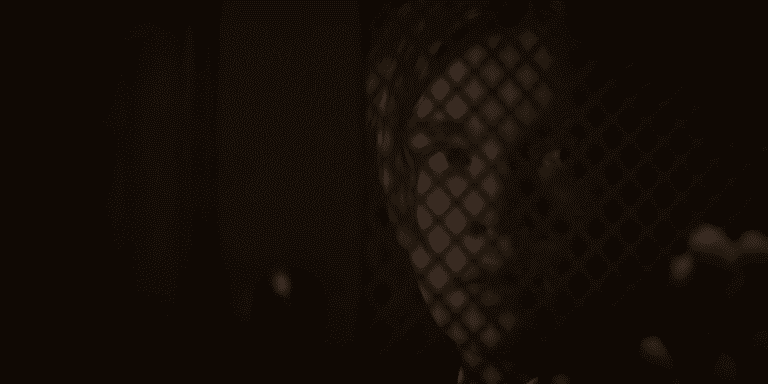
Charlie Plummer in Words on Bathroom Walls, screenshot courtesy LD Entertainment.
Words on Bathroom Walls, a teen romantic drama released to theaters this past weekend, takes on two subjects rarely dealt with—or, at least, dealt with well—in film: schizophrenia and confession.
Adam is schizophrenic, which means he’s never alone. Aspects of his mind take on physical form for him: a hippy, well-meaning guru; a tough-as-nails bodyguard; a bathrobe-wearing schlub that, according to Adam, feels pulled out of an ‘80s-circa romcom. But Adam’s mind contains a darker voice, too—one that pulls Adam toward paranoia and self-destruction. And as he deals with a new school, new meds and a new development at home, that voice ultimately threatens to overwhelm him.
That’s not his only issue. See, Adam falls in love, too—with a smart, outspoken fellow student named Maya. She seems to like everything about him: His wit, his compassion, his love of cooking, even his insecurities.
But she doesn’t know he’s schizophrenic. And Adam won’t tell her. For years, the teen tried to keep his mental illness hidden from everyone, including his single mother, until it blew up like a bottle rocket. But Maya wasn’t there for the blast, and Adam thinks that there’s no reason she has to know about his condition at all.
And that brings us to the second subject: confession.
Adam’s new school, St. Agatha’s, is Catholic, and confession is part of the curriculum. Adam doesn’t believe in God, but no matter: It’s part of the curriculum, and as Adam attends confession, he and the attending priest develop a friendship of sorts. The priest accepts Adam’s unbelief, but he still offers biblical wisdom and advice, often in the form of Bible verses that he hopes Adam will draw his own meaning from.
But Adam’s not ready to confess everything. He keeps the depth of his illness from the priest, too.
I like the way the film shows its faith here: It’s not preachy, just simply part of the plot. But it’s a critically important part, too. And I think that, when framed in a spiritual context, Adam’s own war with himself shares some similarities to the war that each of us fight.
“The only person who can’t reject you is Jesus, right?” Adam jokes with his new principal. But there’s a deeper truth hidden in that snide aside, both for Adam and for us. After all, Adam’s not the only one who deals with dark voices and secrets.
This is in no way to minimize mental illness or the serious issues Adam deals with here. But while we may not have literal voices coming from the closet telling us we’re worthless, that people don’t love us and that we don’t deserve that love, most of us hear quieter voices telling us that from time to time. And most of us, of course, hide things, sometimes from even those we love the most. We worry that if people knew those things, we’d be cast out from their love. Be almost like lepers in their eyes: unclean. Unworthy. We hide these things even from ourselves. As if that self-deception would hide them from God, too.
Evangelical Christians, the faith tradition I come from, don’t have a sacrament of confession, like Catholics do. But after watching Words on Bathroom Walls, I wondered again whether we should emphasize it more.
Confession, Adam’s priest tells him, “gives us an opportunity to admit we’re flawed.” Everyone is flawed, of course, and everyone—including God—knows it. “But admitting [those flaws] gives us the opportunity, and the strength, to face them.”
And that’s the secret, isn’t it? To have the strength to face them.
Not all Christians walk into confessional booths, but that doesn’t eliminate the need, or benefit, of confession. Confessing our sins and weaknesses, our flaws and our fears, can be of great help to us. Just admitting them to ourselves—to give voice to them—may quiet some of the darker voices rattling around in our brains. And that may clear room to hear other, better voices. Maybe even the voice of God.
Previous Post

July 18, 2020
The Quiet Faith of Greyhound
Next Post

October 16, 2020 Seeing Faith in Disney+’s Clouds
Browse Our Archives
Select a Category books celebrities Editor's Choice games movies music news sports superheroes television Uncategorized
Select a Month May 2026 April 2026 March 2026 December 2025 October 2025 July 2025 June 2025 May 2025 February 2025 January 2025 December 2024 July 2024 June 2024 May 2024 April 2024 March 2024 February 2024 January 2024 December 2023 September 2023 March 2023 February 2023 December 2022 November 2022 October 2022 September 2022 August 2022 July 2022 June 2022 May 2022 April 2022 March 2022 February 2022 December 2021 October 2021 August 2021 July 2021 June 2021 May 2021 April 2021 March 2021 October 2020 August 2020 July 2020 June 2020 May 2020 April 2020 March 2020 February 2020 January 2020 December 2019 November 2019 October 2019 September 2019 August 2019 July 2019 June 2019 May 2019 April 2019 March 2019 February 2019 January 2019 December 2018 November 2018 October 2018 September 2018 August 2018 July 2018 June 2018 May 2018 April 2018 March 2018 February 2018 January 2018 December 2017 November 2017 October 2017 September 2017 August 2017 July 2017 June 2017 May 2017 April 2017 March 2017 February 2017 January 2017 December 2016 November 2016 October 2016 September 2016 August 2016 July 2016 June 2016 May 2016 April 2016 March 2016 February 2016 January 2016 December 2015 November 2015 October 2015 September 2015 August 2015 July 2015 June 2015 May 2015 April 2015 March 2015 February 2015 January 2015 December 2014 November 2014 October 2014 September 2014
Follow Us!
TAKE THE
Religious Wisdom Quiz
True or False: Jude quotes from the Book of Enoch in his epistle.
Select your answer to see how you score.
FALSE TRUE
Books by This Author Books by Paul Asay
Related posts from Watching God

Finding Forgiveness in the Great Horror Film ‘Hokum’

What makes a hero? These 7 Cinematic Characters...

Finding God's Grace in ‘Project Hail Mary’

Watching God’s Top 10 Movies of 2025
TRENDING AT PATHEOS Religious Music & Entertainment

"Les Diabolique" and Transgression
Alongside something like Arrival, Vertigo, or Charade, Les Diaboliques is a...

"The Plague Dogs" and Mortality
So, flashback to the late 70s, early 80s. Walt Disney Studios is...

With the recent and highly successful release of Christopher Nolan’s epic film,...

"L'avventura" and Human Weakness
Today's piece is going to be a little different for a few...

I first want to apologize for not posting or writing anything. I'm...

I've engaged in the multi-year project of reading through the Church Fathers,...
view all Religious Music & Entertainment blogs
Ad-Free & Subscriber Log-In Subscription Support
- About Us
- 2026 Calendar
- Videos
- Podcasts
- Library of World Religions
- Faith In Media Tracker
- Advertise With Us
- Write for Us
- Privacy Policy
- Terms of Service
- Do Not Sell My Data
- Contact Us
- Radiant Digital
- Manage Newsletter Subscriptions
- Unsubscribe From Notifications
- Sitemap
Copyright 2008-2026, Patheos. All rights reserved.
Subscription Support Ad-Free & Subscriber Log-In
Follow Patheos