
BuddhistCatholicContemplativeEvangelicalGeneral ChristianHinduJewishLatter-day SaintMuslimNew VisionsProgressive Christian
Beliefs
- Buddhist
- Catholic
- Contemplative
- Evangelical
- General Christian
- Hindu
- Jewish
- Latter-day Saint
- More Voices
- Muslim
- New Visions
- Pagan
- Progressive Christian
Topics
- Religion News
- Food and Religion
- Sports and Religion
- Religious Art
- Religious Music and Entertainment
- Religious Events
- History and Religion
- Style and Religion
- Politics and Religion
- Women in Religion
- Recreation Outdoors and Religion
- Business Finance and Religion
- Careers Workplace and Religion
- Education and Religion
- Family Parenting and Religion
- Health Fitness and Religion
- Home and Religion
- Relationships and Religion
- Technology and Religion
- Travel and Religion
Columnists
- Buddhist Columnists
- Business Finance and Religion Columnists
- Careers Workplace and Religion Columnists
- Catholic Columnists
- Contemplative Columnists
- Education and Religion Columnists
- Evangelists Columnists
- Family Parenting and Religion Columnists
- General Christian Columnists
- Health Fitness and Religion Columnists
- Hindu Columnists
- History and Religion Columnists
- Home and Religion Columnists
- Jewish Columnists
- More Voices Columnists
- Latter Day Columnists
- Muslim Columnists
- New Visions Columnists
- Nonreligious Columnists
- Pagan Columnists
- Politics and Religion Columnists
- Progressive Columnists
- Recreation Outdoors and Religion Columnists
- Relationships and Religion Columnists
- Religion News Columnists
- Religious Art Columnists
- Religious Events Columnists
- Religious Music and Entertainment Columnists
- Sports and Religion Columnists
- Style and Religion Columnists
- Technology and Religion Columnists
- Travel and Religion Columnists
- Women in Religion Columnists
Resource Library
- 2026 Calendar
- Library of World Religions
- The 100 Most Holy Places on Earth
- Patheos Answers
- Podcasts
- Videos
- Faith Leaders Database
- Anglican Episcopalian
- Bahai
- Baptist
- Buddhism
- Christianity
- Confucianism
- Eastern Orthodoxy
- Hinduism
- Holiness and Pentecostal
- ISKCON
- Islam
- Judaism
- Lutheran
- Methodist
- The Church of Jesus Christ of Latter-day Saints
- New Age
- Paganism
- Presbytarian and Reformed
- Protestantism
- Religion Behind the Scenes
- Roman Catholic
- Scientology
- Shia Islam
- Sikhism
- Sufism
- Sunni Islam
- Taoism
- Zen
- See all religions
Research Tools
 Ad-Free & Subscriber Log-In Subscription Support
Ad-Free & Subscriber Log-In Subscription Support
Follow Patheos 

- Trending:
- Forgiveness
- |
- Marriage
- |
- Consciousness
- |
- Death Penalty
- |
- Election
- |
- Halloween

- Home
- General Christian
- Relationships and Religion
- Gehinnon, The Damned and God’s People
Gehinnon, The Damned and God’s People
Last updated on: September 20, 2023 at 8:46 pm by Martin Thomas Johnson
Gehinnon, The Damned and God’s People 2023-09-20T20:46:15-04:00 Martin Thomas Johnson
Patheos Explore the world's faith through different perspectives on religion and spirituality! Patheos has the views of the prevalent religions and spiritualities of the world.
In a recent news special, a report showed the aftermath of the destruction from recent natural disasters. As the images of ruins covered the landscape, a comparison to hell was made.

Image by Pixabay
It’s ironic the world doesn’t acknowledge God or spiritual truth, yet understands the devastation of hell. Every disaster results in destruction, loss of life and the world is never the same. It’s no wonder many compare them to hell, below are a few common beliefs about hell.
- Unbearably hot
- Eternal suffering
- Punishment for sins
Hell is so bad that some people refuse to believe God would send people there. They are right on both thoughts; hell is an unimaginable place of damnation; because God creates it for Satan and his angels to suffer for eternity. God doesn’t want any human to perish and go to hell (Ezekiel 33:11, 2 Peter 3:9).
Hell
While the world places the gloom of hell on physical suffering, Christians understand people in hell are eternally separated from God and there is no return.
Hell is God’s hell created to punish evil. However, since the fall of man, those who choose to live by their flesh and the ways the world have inherited the damnation of hell.
Unfortunately, even God’s people have a tendency to reject the ways of God. Jesus confronted the Pharisees about their ways and warned them of God’s judgment when He will separate the wheat from the chaff (Matthew 3:7-12).
Chaff is the bad and unusable part of wheat, in ancient times after the wheat was separated, chaff was thrown out and burned up in the Hinnom Valley outside the city of Jerusalem.

Image by Wikipedia
This Valley was like a modern burn pit where people burned their trash and at times sacrificed children to other gods (Jeremiah 7:31-40; 19:5-6). It’s no wonder God’s people used it to symbolize hell or Gehinnom.
Gehinnom
Gehinnom, the abode of the dead, where evil people spend eternity in the Jewish afterlife. It is a place of extreme heat and punishment. Some Jewish beliefs view it as a temporary punishment.
However, the prophet Moses references a permanent death (Genesis 3:4). Later, God had to give Moses the law (Mitzvah) to help God’s people live right. In Judaism there are degrees of sin and from that Jewish mysticism birthed different levels of hell for specific sins.
- Sheol
- Abaddon
- Beër Shahat
- Tit ha-Yawen
- Sha’are Mawet
- Sha’are Zalmawet
- Gehenna
The gates of hell in Jerusalem led to the Hinnom Valley that bordered the city on the south. Jesus said that this evil and destruction had no place in the church (Matthew 16:17-18).

Image by Pixabay
The Valley was known for death and suffering, spiritually it is the home of the unrighteous. Hell is ultimately the home of those who aren’t right with God. This is why the Apostle Paul says the unrighteous shall not enter heaven (1 Corinthians 6:9-11.)
Righteous
Righteousness is defined as being morally right or justified and acceptable in the eyes of God. Judaism teaches good deeds in this life make us righteous. The Apostle Paul contradicted this belief by stating none of us are righteous (Romans 3:10).
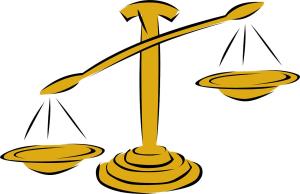
Image by Pixabay
Jesus confronted the Pharisees about their self-righteousness (Matthew 23:13-16). The Pharisees were on the outside keeping people from entering into heaven.
- They burdened God’s people
- They made it hard to enter heaven
- They neglected justice
- They focused on external righteousness
So Jesus told a parable to warn His followers about classifying sins and looking down on others (Luke 18:9-14.) Still, today there are religious leaders who look down on the sins of others they think deserve hell more.
Jesus taught the need to avoid all sin because it is unrighteous and leads us to Gehinnom (Luke 10:11-12).
Jewish
Previous Post

September 16, 2023
Olam Ha-Ba, The Afterlife And What They Mean For God's People
Next Post

September 23, 2023 Gan Eden, The Righteous, and Heaven
Recent Comments
"If a perfect God chooses to show mercy, then imperfect and unrighteous man should also. ..."
How Does ‘Avval Connect FlyDubai & ..."
"It would be nice if the Evangelical Dominionists (Former Christians who converted to Trumpism) listened ..."
What Does Yᵊšûʿâ Mean For The ..."
"Dispensationalism. gets many things wrong, including the future place for Israel. The promise to Israel ..."
How Does Gôy Connect NATO & ..."
"The ammendment that supposedly gives any foreign child born here citizenship was intended for slaves ..."
How Does Yeleḏ Connect Birthright Citizenship ..."
Browse Our Archives
Select a Category #Faith Uncategorized
Select a Month October 2026 September 2026 August 2026 July 2026 June 2026 May 2026 April 2026 March 2026 February 2026 January 2026 December 2025 November 2025 October 2025 September 2025 August 2025 July 2025 June 2025 May 2025 April 2025 March 2025 February 2025 January 2025 December 2024 November 2024 October 2024 September 2024 August 2024 July 2024 June 2024 May 2024 April 2024 March 2024 February 2024 January 2024 December 2023 November 2023 October 2023 September 2023 August 2023 July 2023 June 2023
Follow Us!
TAKE THE
Religious Wisdom Quiz
Where does the Bible say, "do to others as you would have them do to you"?
Select your answer to see how you score.
Leviticus Luke Judges Revelation
Related posts from Walk Humbly

Family
How Does Bìn Connect Fort Hood & Isaias?

Family
What Does Šāp̄āṭ Mean For Caleb Flynn &...

Family
How Does ‘Avval Connect FlyDubai & Christa Pike?

Family
What Does Tsᵉdâqâh Mean For Cornell University &...
TRENDING AT PATHEOS General Christian

Emotion in Early Christianity by Andrew Crislip
Andrew Crislip’s Emotion in Early Christianity examines an often overlooked dimension of...

16 Spiritual Touchstones for a More Grounded Life
After decades of spiritual study, here are 16 principles I try...

Catholic Evangelization: Sharing Your Faith Every Day
Welcome back to the Graceful Awakening mini-series called, “From Faith to Mission.” ...

The Pillar of the Boatmen: the Ancient Monument...
The Pillar of the Boatmen is a Romano-Gaulish sculpture that dates from...

In one sense walking into Westminster Abbey is like walking down the...

'Super Scam Me' Exposes AI Jon Bon Jovi...
Leslie Pickett believed she was in a relationship with Jon Bon Jovi....
view all General Christian blogs
What Are Your Thoughts?leave a comment
Ad-Free & Subscriber Log-In Subscription Support
- About Us
- 2026 Calendar
- Videos
- Podcasts
- Library of World Religions
- Faith In Media Tracker
- Advertise With Us
- Write for Us
- Privacy Policy
- Terms of Service
- Do Not Sell My Data
- Contact Us
- Radiant Digital
- Manage Newsletter Subscriptions
- Unsubscribe From Notifications
- Sitemap
Copyright 2008-2026, Patheos. All rights reserved.
Subscription Support Ad-Free & Subscriber Log-In
Follow Patheos