
BuddhistCatholicContemplativeEvangelicalGeneral ChristianHinduJewishLatter-day SaintMuslimNew VisionsProgressive Christian
Beliefs
- Buddhist
- Catholic
- Contemplative
- Evangelical
- General Christian
- Hindu
- Jewish
- Latter-day Saint
- More Voices
- Muslim
- New Visions
- Pagan
- Progressive Christian
Topics
- Religion News
- Food and Religion
- Sports and Religion
- Religious Art
- Religious Music and Entertainment
- Religious Events
- History and Religion
- Style and Religion
- Politics and Religion
- Women in Religion
- Recreation Outdoors and Religion
- Business Finance and Religion
- Careers Workplace and Religion
- Education and Religion
- Family Parenting and Religion
- Health Fitness and Religion
- Home and Religion
- Relationships and Religion
- Technology and Religion
- Travel and Religion
Columnists
- Buddhist Columnists
- Business Finance and Religion Columnists
- Careers Workplace and Religion Columnists
- Catholic Columnists
- Contemplative Columnists
- Education and Religion Columnists
- Evangelists Columnists
- Family Parenting and Religion Columnists
- General Christian Columnists
- Health Fitness and Religion Columnists
- Hindu Columnists
- History and Religion Columnists
- Home and Religion Columnists
- Jewish Columnists
- More Voices Columnists
- Latter Day Columnists
- Muslim Columnists
- New Visions Columnists
- Nonreligious Columnists
- Pagan Columnists
- Politics and Religion Columnists
- Progressive Columnists
- Recreation Outdoors and Religion Columnists
- Relationships and Religion Columnists
- Religion News Columnists
- Religious Art Columnists
- Religious Events Columnists
- Religious Music and Entertainment Columnists
- Sports and Religion Columnists
- Style and Religion Columnists
- Technology and Religion Columnists
- Travel and Religion Columnists
- Women in Religion Columnists
Resource Library
- 2026 Calendar
- Library of World Religions
- The 100 Most Holy Places on Earth
- Patheos Answers
- Podcasts
- Videos
- Faith Leaders Database
- Anglican Episcopalian
- Bahai
- Baptist
- Buddhism
- Christianity
- Confucianism
- Eastern Orthodoxy
- Hinduism
- Holiness and Pentecostal
- ISKCON
- Islam
- Judaism
- Lutheran
- Methodist
- The Church of Jesus Christ of Latter-day Saints
- New Age
- Paganism
- Presbytarian and Reformed
- Protestantism
- Religion Behind the Scenes
- Roman Catholic
- Scientology
- Shia Islam
- Sikhism
- Sufism
- Sunni Islam
- Taoism
- Zen
- See all religions
Research Tools
 Ad-Free & Subscriber Log-In Subscription Support
Ad-Free & Subscriber Log-In Subscription Support
Follow Patheos 

- Trending:
- Forgiveness
- |
- Marriage
- |
- Consciousness
- |
- Death Penalty
- |
- Election
- |
- Halloween
 Walk and Word
- Home
- Evangelical
- Broken Healer
Broken Healer
Last updated on: September 12, 2019 at 10:36 pm by John C. Nugent
Broken Healer 2019-09-12T22:36:51-05:00 John C. Nugent
Patheos Explore the world's faith through different perspectives on religion and spirituality! Patheos has the views of the prevalent religions and spiritualities of the world.
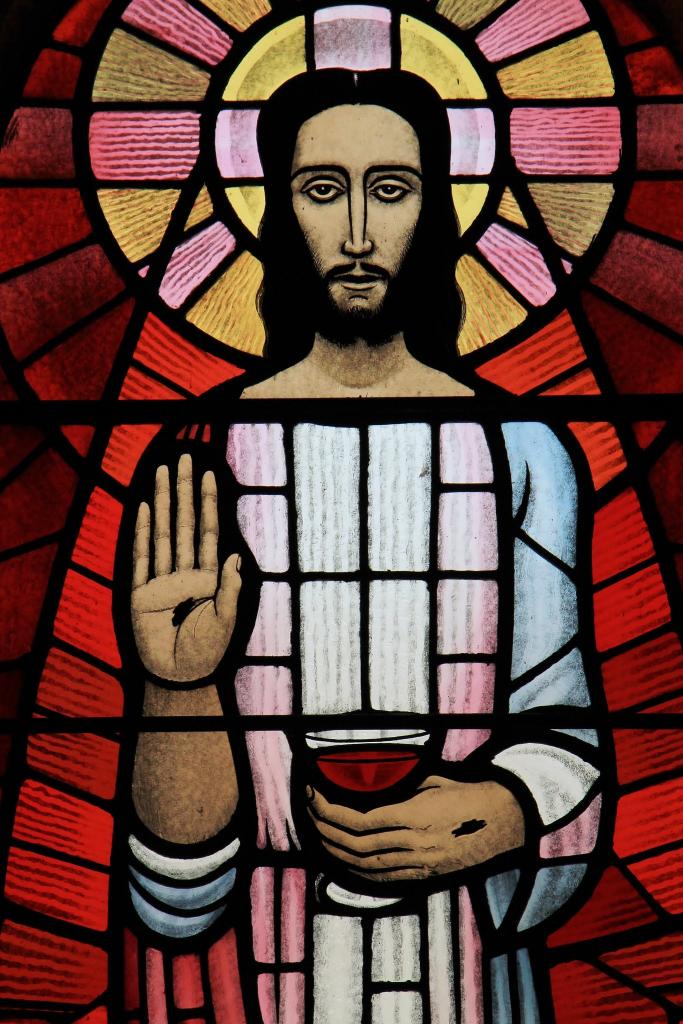
Richard Collier / Flickr
The Church’s Place
“God has not called the church to make this world a better place but to be the better place God has made in this world through Jesus.” This core thesis of my book Endangered Gospel has unsettled people since it was published in 2016.
And now the concept is being championed in high profile places like Christianity Today. Just this week its editor in chief wrote an article using remarkably similar language:
“The purpose of the church—the family of God—is not to make the world a better place, but to invite the world into the better place, the place called church.”
A steady stream of related messages has been flowing into my inbox since 2016. Some pastors, missionaries, and church leaders have simply been thanking me. They’ve been struggling with the church’s place in this world, and this book helped them put their finger on why.
Others have approached me with questions. They often admit that they find the biblical argument convincing, but they’re unsure what it looks like in practice. Someone recently asked, “If it isn’t the church’s job to heal the brokenness of this world, then how are we supposed to be a witness?” That’s a great question!
Privileged Servant
The answer lies with Israel and the early church. A close look at God’s chosen people reveals just how different their model of existence in society was from the privileged status given to Christianity in the West. Ever since Constantine, the 4th century Roman Emperor who ended government-sanctioned persecution of Christians, the church has generally had a favored status. Not long ago, the West was considered the Christian West because Christianity was sometimes officially, sometimes unofficially, the state religion.
As many mourn the loss of this privilege, we should remember that it wasn’t always so. Throughout the rest of the world it was never so. Nonetheless, we ask questions like, “Aren’t we supposed to heal the world?” from a position of presumed societal power. We presume that “we” are the healers and “they” need us to heal them.
Lowly Servant
A brief look at the servant songs of Isaiah (Isa 42—53) helps dispel this notion. The servant in these songs is sometimes identified with God’s people and other times with someone who will represent them. In both instances, God’s chosen instrument is a broken, beaten, downtrodden, lowly figure.
The New Testament identifies Jesus with this servant and calls the church to imitate him in this posture. He is the broken healer and we are his half-healed people, awaiting the redemption of our bodies (Rom 8:23).
God’s good pleasure is to show the world his glory through human brokenness—not human completeness and competence to heal others. In our brokenness, we show love to one another. In our difference, we display unity. God’s treasure is most at home in clay jars. Israel and the church were at their best “as a witness” to the world precisely when they were lowly. This seems to be God’s preferred posture.
Broken Witness
Today’s church may best serve as God’s witness not by finding broken places and then fixing them, but by displaying God’s kingdom through our brokenness amidst the brokenness of this world. We don’t have to look far to find such brokenness. We don’t need to go to the places this world calls broken. Brokenness is everywhere!
I live in suburbia. Our school district is one of the “better” districts around. Our neighborhoods showcase well-groomed lawns and no broken windows. Yet, these neighborhoods are populated mostly by the victims of shattered marriages, spouse and child abuse, self-debilitating addictions, loneliness, and physical and mental illnesses.
What is the church’s witness in neighborhoods like this? Love one another. Remain faithful to one another. Fight for each other’s marriages. Give one another rides to the airport. Help one another with tedious home repairs. Share meals together on a regular basis. Make sure no one spends holidays alone. Pay down each other’s debts. Forgive one another seventy-times-seven times. Don’t give up on one another. Befriend one another. Don’t let the brokenness swallow us up like it does the rest of the world. Accept one another despite our inadequacies. Live out the kingdom in our life together and invite our neighbors into that life.
What This World Needs
Broken places need faith, hope, and love in the context of a community where they belong. By embracing, displaying, and proclaiming the kingdom together we let our neighbors know that these things might be theirs. We extend to them God’s kingdom offer as a gift.
That offer will do something for their brokenness and for the neighborhood. It doesn’t leave them where they were. It will result in healing. But healing as such—healing independent of the kingdom—is not our calling.
If the church feels called in such neighborhoods to do something concrete and visible for the common good—wonderful! Go for it! But let us do so as fellow members of the broken body of Christ, not as society’s self-appointed benefactors.

About John C. Nugent
John C. Nugent is the author of "Endangered Gospel," professor of theology, and co-host of the After Class Podcast. You can read more about the author here.
Previous Post
June 14, 2019
Get Out There and Make Some Disciples
Next Post

June 19, 2019 Pondering the Spade
Browse Our Archives
Select a Category Biblitically Correct Christian Practices Church Discipleship Entertainment New Testament Old Testament Scripture Uncategorized Witness to World
Select a Month October 2019 September 2019 August 2019 July 2019 June 2019 May 2019 April 2019
Follow Us!
TAKE THE
Religious Wisdom Quiz
In which Psalm do we find "Your word is a lamp to my feet..."?
Select your answer to see how you score.
Psalm 23 Psalm 27 Psalm 119 Psalm 90
Related posts from Walk and Word



TRENDING AT PATHEOS Evangelical

Indigenous Peoples’ Day and the Church
Indigenous' Peoples Day or Columbus Day? Depending on where you live...

When Spiritual Growth Looks Like Losing Ground
Four Passive Spiritual Disciplines: An Introduction When I was a college freshman,...

Faith and Finding Your Current Season
“To everything there is a season,” Ecclesiastes tells us, “and a time...

Did Jesus Fear God's Wrath in Gethsemane?
That Time Jesus Was Terrified Before we begin, let me say at...

A Generation Searching for God in All the...
Revival Begins With God’s People! Holidays Are Upon Us! Welcome to October!...

Faith and End of Life Planning
The Psalmist's prayer to “teach us to number our days, that we...
view all Evangelical blogs
Ad-Free & Subscriber Log-In Subscription Support
- About Us
- 2026 Calendar
- Videos
- Podcasts
- Library of World Religions
- Faith In Media Tracker
- Advertise With Us
- Write for Us
- Privacy Policy
- Terms of Service
- Do Not Sell My Data
- Contact Us
- Radiant Digital
- Manage Newsletter Subscriptions
- Unsubscribe From Notifications
- Sitemap
Copyright 2008-2026, Patheos. All rights reserved.
Subscription Support Ad-Free & Subscriber Log-In
Follow Patheos