
BuddhistCatholicContemplativeEvangelicalGeneral ChristianHinduJewishLatter-day SaintMuslimNew VisionsProgressive Christian
Beliefs
- Buddhist
- Catholic
- Contemplative
- Evangelical
- General Christian
- Hindu
- Jewish
- Latter-day Saint
- More Voices
- Muslim
- New Visions
- Pagan
- Progressive Christian
Topics
- Religion News
- Food and Religion
- Sports and Religion
- Religious Art
- Religious Music and Entertainment
- Religious Events
- History and Religion
- Style and Religion
- Politics and Religion
- Women in Religion
- Recreation Outdoors and Religion
- Business Finance and Religion
- Careers Workplace and Religion
- Education and Religion
- Family Parenting and Religion
- Health Fitness and Religion
- Home and Religion
- Relationships and Religion
- Technology and Religion
- Travel and Religion
Columnists
- Buddhist Columnists
- Business Finance and Religion Columnists
- Careers Workplace and Religion Columnists
- Catholic Columnists
- Contemplative Columnists
- Education and Religion Columnists
- Evangelists Columnists
- Family Parenting and Religion Columnists
- General Christian Columnists
- Health Fitness and Religion Columnists
- Hindu Columnists
- History and Religion Columnists
- Home and Religion Columnists
- Jewish Columnists
- More Voices Columnists
- Latter Day Columnists
- Muslim Columnists
- New Visions Columnists
- Nonreligious Columnists
- Pagan Columnists
- Politics and Religion Columnists
- Progressive Columnists
- Recreation Outdoors and Religion Columnists
- Relationships and Religion Columnists
- Religion News Columnists
- Religious Art Columnists
- Religious Events Columnists
- Religious Music and Entertainment Columnists
- Sports and Religion Columnists
- Style and Religion Columnists
- Technology and Religion Columnists
- Travel and Religion Columnists
- Women in Religion Columnists
Resource Library
- 2026 Calendar
- Library of World Religions
- The 100 Most Holy Places on Earth
- Patheos Answers
- Podcasts
- Videos
- Faith Leaders Database
- Anglican Episcopalian
- Bahai
- Baptist
- Buddhism
- Christianity
- Confucianism
- Eastern Orthodoxy
- Hinduism
- Holiness and Pentecostal
- ISKCON
- Islam
- Judaism
- Lutheran
- Methodist
- The Church of Jesus Christ of Latter-day Saints
- New Age
- Paganism
- Presbytarian and Reformed
- Protestantism
- Religion Behind the Scenes
- Roman Catholic
- Scientology
- Shia Islam
- Sikhism
- Sufism
- Sunni Islam
- Taoism
- Zen
- See all religions
Research Tools
 Ad-Free & Subscriber Log-In Subscription Support
Ad-Free & Subscriber Log-In Subscription Support
Follow Patheos 

- Trending:
- Forgiveness
- |
- Marriage
- |
- Consciousness
- |
- Death Penalty
- |
- Election
- |
- Halloween
 Visions of Vocation
- Home
- Careers, Workplace and Religion
- Who Are We, Anyway?
Who Are We, Anyway?
Last updated on: December 16, 2015 at 11:52 am by Dr. Steven Garber
Who Are We, Anyway? 2015-12-16T11:52:15-05:00 Dr. Steven Garber
Patheos Explore the world's faith through different perspectives on religion and spirituality! Patheos has the views of the prevalent religions and spiritualities of the world.
“What are the Japanese peasants looking for in me? These people who live and work and die like beasts find for the first time in our teaching a path in which they can cast away the fetters that bind them…. for a long time they have lived in resignation to such a fate.”
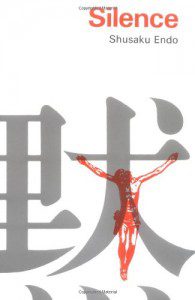
The Washington Post called Silence by Shusaku Endo “a profoundly moving, a profoundly disturbing book”— and it is that, from beginning to end. One of the most difficult books I have read, it takes up by necessity the most difficult of all questions.
We are known by our questions, aren’t we? Trivial questions, weighty questions, questions that don’t matter very much, questions that weigh us and form us— in their different ways they are windows into our hearts, into what we care about, and why. And of course we are all, everyone of us, a complex assortment of questions, clay-footed as we are, stumbling through life as we do, sometimes caring about things that matter, often not.
When I began to realize that the Beach Boys weren’t yet thinking very much about the world beyond California’s beaches and girls, and that the Beatles hope to hold a girl’s hand simply wasn’t going to be enough to make a good life, I began listening to Simon and Garfunkel. Beautiful, lyrical, poetic, they were asking questions about human identity, about our place in the world— and I was too. Though their answer wasn’t finally very satisfying, I came to realize that “I am a rock, I am an island” was more than silliness, and in fact their songs were asking questions that were mine.
When I was 20 this troubled me enough that I left college for two years, what I then called “my extra-academic education,” living in communes here and in Europe, hitchhiking wherever I needed to go, asking questions wherever I went. Over the years I have only dug deeper into the question of “Who are we, anyway?” visiting it again and again in my studies, and as must be, working at it in my own vocation as a teacher, wherever my classrooms have been.
What does it mean to be human? And what difference does our answer make? In my dropped-out years I began to see that everything— sex and love, politics and art, education and economics —that everything grows out of what we believe about ourselves, about who we are, and why we are.
My questions have taken me from years of pondering philosophical anthropology, to political philosophy, to popular culture, seeing threads that are woven in and through these different conversations that together create a fabric that makes sense of life. So over the years I have been intrigued by Albert Camus, Vaclav Havel and U2, each in their own artful ways asking the same question, “What does it mean to be human?” Hearing Camus write stories about human beings plagued with their responsibility for the world, hearing Havel resolutely argue that “the secret of man is the secret of his responsibility,” and hearing U2 sing songs that lament the possibility that we are “stuck in moments we cannot get out of,” I see Endo take up this same dilemma, the question at the heart of everyone’s heart: what does it mean to be human?
Perhaps surprisingly, Endo is at one and the same time the most respected novelist in Japan, and a serious Christian; the two come together in an unusually profound way, a moving and disturbing way in his masterpiece Silence, taking up the story of the 17th-century Jesuit missionaries to Japan who were pushed to the very edge of faith and hope and love. The story is not cheap, because it cannot be.
Grace is like that too— not cheap, because it cannot be. In fact if it is true, the whole world changes, and our sense of self is different because we know that we are not stuck. Several years ago, U2 wrote a hauntingly beautiful song, “Grace,” in which they sing that “grace is more than karma, karma.” A poetic argument against Fate as the first and last story of human existence, that “the fetters that bind us” are not the only story of human life under the sun; the same hope is written into the heart of Endo’s novel, hard as it is, moving and disturbing as it is.
In the strangeness of our hearts, sons of Adam and daughters of Eve, we prefer to be bound, whether we live in the pantheist East or in the materialist West. We choose Fate over every other possibility, resigning ourselves to “things are the way they are”— the in-your-face lyrics of Lady Gaga’s “born this way,” is the same resignation as that of the Japanese peasants in Endo’s novel —rather than find our way out by a path in which we can cast away the fetters that bind us.
So yes, a difficult book, with no cheap questions and no cheap answers. But at the end of the day, life is too hard for anything cheap, and we long for stories about the world that is really there, difficult as they sometimes must be, graceful as we long for them to be.
You can read more from Steven Garber on the Commons Blog from The Washington Institute for Faith, Vocation and Culture.
Previous Post

December 2, 2015
Justice Cannot Be Just Us
Next Post
December 23, 2015 Far as the Curse is Found
Browse Our Archives
Select a Category Book Excerpts Book Reviews Community Conferences Dear Steve Economics Meaning Movie Review Uncategorized Vocation
Select a Month March 2016 February 2016 January 2016 December 2015 November 2015 October 2015 September 2015 August 2015 July 2015 June 2015 May 2015 April 2015 March 2015 February 2015 January 2015 December 2014 November 2014 October 2014 September 2014 August 2014 July 2014 June 2014 May 2014 April 2014 March 2014 February 2014 January 2014
Follow Us!
TAKE THE
Religious Wisdom Quiz
According to Ecclesiastes 12, what happens to the human spirit when a person dies?
Select your answer to see how you score.
It ceases to exist It is reincarnated It returns to God It remains on earth
Related posts from Visions of Vocation


Three Words We Should Care More About

A Conversation with a Stranger and Common Grace
TRENDING AT PATHEOS Careers, Workplace and Religion

St. Francis by Bill Droel Pope Leo XIV declares 2026 as “Year...

Catholics are schooled in the faith by memorizing dogmatic points and lots...

The Good News of Our Human Limitations -...
After another day of trying to meet deadlines and working on projects,...

Quiet Holy Attentiveness (podcast) with Sarah Clarkson
We know that quiet is an essential aspect of the spiritual life,...

Every Vocation Everywhere All At Once
What is a vocation? How does it endure through the years? Can...

I promise this is not going to become a Taylor Swift Studies...
view all Careers, Workplace and Religion blogs
Ad-Free & Subscriber Log-In Subscription Support
- About Us
- 2026 Calendar
- Videos
- Podcasts
- Library of World Religions
- Faith In Media Tracker
- Advertise With Us
- Write for Us
- Privacy Policy
- Terms of Service
- Do Not Sell My Data
- Contact Us
- Radiant Digital
- Manage Newsletter Subscriptions
- Unsubscribe From Notifications
- Sitemap
Copyright 2008-2026, Patheos. All rights reserved.
Subscription Support Ad-Free & Subscriber Log-In
Follow Patheos