
BuddhistCatholicContemplativeEvangelicalGeneral ChristianHinduJewishLatter-day SaintMuslimNew VisionsProgressive Christian
Beliefs
- Buddhist
- Catholic
- Contemplative
- Evangelical
- General Christian
- Hindu
- Jewish
- Latter-day Saint
- More Voices
- Muslim
- New Visions
- Pagan
- Progressive Christian
Topics
- Religion News
- Food and Religion
- Sports and Religion
- Religious Art
- Religious Music and Entertainment
- Religious Events
- History and Religion
- Style and Religion
- Politics and Religion
- Women in Religion
- Recreation Outdoors and Religion
- Business Finance and Religion
- Careers Workplace and Religion
- Education and Religion
- Family Parenting and Religion
- Health Fitness and Religion
- Home and Religion
- Relationships and Religion
- Technology and Religion
- Travel and Religion
Columnists
- Buddhist Columnists
- Business Finance and Religion Columnists
- Careers Workplace and Religion Columnists
- Catholic Columnists
- Contemplative Columnists
- Education and Religion Columnists
- Evangelists Columnists
- Family Parenting and Religion Columnists
- General Christian Columnists
- Health Fitness and Religion Columnists
- Hindu Columnists
- History and Religion Columnists
- Home and Religion Columnists
- Jewish Columnists
- More Voices Columnists
- Latter Day Columnists
- Muslim Columnists
- New Visions Columnists
- Nonreligious Columnists
- Pagan Columnists
- Politics and Religion Columnists
- Progressive Columnists
- Recreation Outdoors and Religion Columnists
- Relationships and Religion Columnists
- Religion News Columnists
- Religious Art Columnists
- Religious Events Columnists
- Religious Music and Entertainment Columnists
- Sports and Religion Columnists
- Style and Religion Columnists
- Technology and Religion Columnists
- Travel and Religion Columnists
- Women in Religion Columnists
Resource Library
- 2026 Calendar
- Library of World Religions
- The 100 Most Holy Places on Earth
- Patheos Answers
- Podcasts
- Videos
- Faith Leaders Database
- Anglican Episcopalian
- Bahai
- Baptist
- Buddhism
- Christianity
- Confucianism
- Eastern Orthodoxy
- Hinduism
- Holiness and Pentecostal
- ISKCON
- Islam
- Judaism
- Lutheran
- Methodist
- The Church of Jesus Christ of Latter-day Saints
- New Age
- Paganism
- Presbytarian and Reformed
- Protestantism
- Religion Behind the Scenes
- Roman Catholic
- Scientology
- Shia Islam
- Sikhism
- Sufism
- Sunni Islam
- Taoism
- Zen
- See all religions
Research Tools
 Ad-Free & Subscriber Log-In Subscription Support
Follow Patheos 

- Trending:
- Advent
- |
- Forgiveness
- |
- Thanksgiving
- |
- Election
- |
- Seasonal Holidays
- |
- Marriage
 Visions of Vocation
- Home
- Careers, Workplace and Religion
- C. S. Lewis and the tears of God
C. S. Lewis and the tears of God
Last updated on: April 29, 2015 at 10:01 am by Dr. Steven Garber
C. S. Lewis and the tears of God 2015-04-01T15:15:23-05:00 Dr. Steven Garber
Patheos Explore the world's faith through different perspectives on religion and spirituality! Patheos has the views of the prevalent religions and spiritualities of the world.
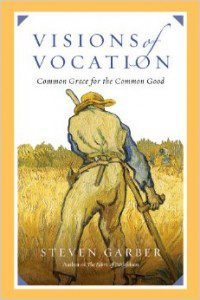 This excerpt from Steve Garber’s book Visions of Vocation is reprinted here with the kind permission of InterVarsity Press. Stay tuned as we continue to occasionally publish excerpts from the book here at Visions of Vocation the blog. And get the book from IVP at this link!
We all cry— but what is important here is why we cry and when we cry and what our crying means for who we are and how we live. As a father of young children, I saw lots of tears. Each one— Eden, Elliott, David, Jessica and Jonathan— moved from the innocent tears of their early weeks to the stubborn and selfish tears of their early years. And along the way, with each one, I tried to explain that tears were good gifts to us, so that we needed to take care of them, “saving them for when we really need to cry someday— so don’t use them all up right now, because someday you will need to cry.”
Even for the littlest ones among us, tears are complex. And they only become more so. Most who know anything at all about the Oxbridge professor C. S. Lewis know that he wrote two books on pain and sorrow . One is more an apologetic on the nature of suffering, The Problem of Pain, and another he wrote after watching his wife, Joy, die of cancer, A Grief Observed. They are two different readings on the same human heart, trying to understand what we do with the wounds of the world.
A caricature of Lewis is portrayed in the film Shadowlands: an academic who had lived his whole life in an ivory tower, limiting his knowledge of sorrow to the theoretical. But the truth is that Lewis had known unbearable pain from his boyhood on: from his mother’s death when he was ten, his horribly lonely adolescent years of schooling in Dickensian places of pedagogical horror, to his wounding in World War I and more. Because these experiences were true of Lewis, I have been able to learn from him, knowing that he knows. 
Most of life is autobiographical for all of us— and so it was for Lewis. Growing out of his years of sorrow, especially the ones of watching his mother become sick and die, The Magician’s Nephew tells the tale of a boy named Digory who enters into the world of Narnia on the day of its creation. Digory has mixed motivations, which is the way it is for all of us. On the one hand, it is for his friend Polly’s sake that he takes up the adventure that leads him into Narnia, sure that she is in distress and wanting to help. But on the other it is because of his mother’s sickness and his own great grief that he is willing to do anything for anyone that might make her better.
Aslan, the lion who is king of the new world of Narnia, draws Digory into a conversation . In his heart, Digory begins to imagine that he can make a deal with Aslan: I will do this for him if he does this for me. But the closer he gets to the great lion, the more sure he is that no deals can be struck. It is then that he looks up at the lion and sees tears streaming down his tawny face. Lewis writes that Digory was then “sure that the lion cared more about my mother than I did myself.” And knowing that to be true, he opened his heart to the calling that became his, as Aslan had work for him to do in addressing the heartaches of that very new world.
“A children’s story which is enjoyed only by children is a bad children’s story. The good ones last,” Lewis once wrote. Over the years, in the moments when life seems bleakest, when I can only sigh or groan, I have come back again and again to The Magician’s Nephew. Not unlike the insights of Weil and Warfield, Lewis gives us an image that is profoundly rich and wonderfully tender. We need both. The tears of God are complex. They must be tears of sympathy, even empathy, as Aslan weeps for Digory’s mother and as Jesus weeps with his friends at the death of their brother. But sometimes they are also tears of anger at the unnaturalness of death, at the distortion of death, at the skewing of human hopes, as Jesus “groaned severely in his spirit” at the death of Lazarus.
Taken from Visions of Vocation by Steven Garber. Copyright (c) 2014 by Steven Garber. Used by permission of InterVarsity Press, P.O. Box 1400, Downers Grove, IL 60515-1426. www.ivpress.com
Previous Post

April 15, 2015
How to keep on keeping on
Next Post
May 13, 2015 Knowing what you know, what are you going to do?
Browse Our Archives
Select a Category Book Excerpts Book Reviews Community Conferences Dear Steve Economics Meaning Movie Review Uncategorized Vocation
Select a Month March 2016 February 2016 January 2016 December 2015 November 2015 October 2015 September 2015 August 2015 July 2015 June 2015 May 2015 April 2015 March 2015 February 2015 January 2015 December 2014 November 2014 October 2014 September 2014 August 2014 July 2014 June 2014 May 2014 April 2014 March 2014 February 2014 January 2014
Follow Us!
TAKE THE
Religious Wisdom Quiz
How many New Testament books were written by John?
Select your answer to see how you score.
4 6 5 3
Related posts from Visions of Vocation


Our Moral Responsibility to Pay Attention

TRENDING AT PATHEOS Careers, Workplace and Religion

St. Francis by Bill Droel Pope Leo XIV declares 2026 as “Year...

Catholics are schooled in the faith by memorizing dogmatic points and lots...

The Good News of Our Human Limitations -...
After another day of trying to meet deadlines and working on projects,...

Quiet Holy Attentiveness (podcast) with Sarah Clarkson
We know that quiet is an essential aspect of the spiritual life,...

Every Vocation Everywhere All At Once
What is a vocation? How does it endure through the years? Can...

I promise this is not going to become a Taylor Swift Studies...
view all Careers, Workplace and Religion blogs
Ad-Free & Subscriber Log-In Subscription Support
- About Us
- 2026 Calendar
- Videos
- Podcasts
- Library of World Religions
- Faith In Media Tracker
- Advertise With Us
- Write for Us
- Privacy Policy
- Terms of Service
- Do Not Sell My Data
- Contact Us
- Radiant Digital
- Manage Newsletter Subscriptions
- Unsubscribe From Notifications
- Sitemap
Copyright 2008-2026, Patheos, part of the Radiant Digital network of media brands. All rights reserved.
Subscription Support Ad-Free & Subscriber Log-In
Follow Patheos