
BuddhistCatholicContemplativeEvangelicalGeneral ChristianHinduJewishLatter-day SaintMuslimNew VisionsProgressive Christian
Beliefs
- Buddhist
- Catholic
- Contemplative
- Evangelical
- General Christian
- Hindu
- Jewish
- Latter-day Saint
- More Voices
- Muslim
- New Visions
- Pagan
- Progressive Christian
Topics
- Religion News
- Food and Religion
- Sports and Religion
- Religious Art
- Religious Music and Entertainment
- Religious Events
- History and Religion
- Style and Religion
- Politics and Religion
- Women in Religion
- Recreation Outdoors and Religion
- Business Finance and Religion
- Careers Workplace and Religion
- Education and Religion
- Family Parenting and Religion
- Health Fitness and Religion
- Home and Religion
- Relationships and Religion
- Technology and Religion
- Travel and Religion
Columnists
- Buddhist Columnists
- Business Finance and Religion Columnists
- Careers Workplace and Religion Columnists
- Catholic Columnists
- Contemplative Columnists
- Education and Religion Columnists
- Evangelists Columnists
- Family Parenting and Religion Columnists
- General Christian Columnists
- Health Fitness and Religion Columnists
- Hindu Columnists
- History and Religion Columnists
- Home and Religion Columnists
- Jewish Columnists
- More Voices Columnists
- Latter Day Columnists
- Muslim Columnists
- New Visions Columnists
- Nonreligious Columnists
- Pagan Columnists
- Politics and Religion Columnists
- Progressive Columnists
- Recreation Outdoors and Religion Columnists
- Relationships and Religion Columnists
- Religion News Columnists
- Religious Art Columnists
- Religious Events Columnists
- Religious Music and Entertainment Columnists
- Sports and Religion Columnists
- Style and Religion Columnists
- Technology and Religion Columnists
- Travel and Religion Columnists
- Women in Religion Columnists
Resource Library
- 2026 Calendar
- Library of World Religions
- The 100 Most Holy Places on Earth
- Patheos Answers
- Podcasts
- Videos
- Faith Leaders Database
- Anglican Episcopalian
- Bahai
- Baptist
- Buddhism
- Christianity
- Confucianism
- Eastern Orthodoxy
- Hinduism
- Holiness and Pentecostal
- ISKCON
- Islam
- Judaism
- Lutheran
- Methodist
- The Church of Jesus Christ of Latter-day Saints
- New Age
- Paganism
- Presbytarian and Reformed
- Protestantism
- Religion Behind the Scenes
- Roman Catholic
- Scientology
- Shia Islam
- Sikhism
- Sufism
- Sunni Islam
- Taoism
- Zen
- See all religions
Research Tools
 Ad-Free & Subscriber Log-In Subscription Support
Ad-Free & Subscriber Log-In Subscription Support
Follow Patheos 

- Trending:
- Forgiveness
- |
- Marriage
- |
- Consciousness
- |
- Death Penalty
- |
- Election
- |
- Halloween
 Victorious Living
- Home
- Family, Parenting and Religion
- Analyzing My Ability to Analyze
Analyzing My Ability to Analyze
Last updated on: June 8, 2021 at 5:00 am by Victorious Living
Analyzing My Ability to Analyze 2021-05-26T19:20:31-04:00 Victorious Living
Patheos Explore the world's faith through different perspectives on religion and spirituality! Patheos has the views of the prevalent religions and spiritualities of the world.
Just about every choice we make is a cost/benefit analysis. Our brains look at the situation, weighing the pros and the cons, measuring the imagined gains and the perceived loss involved. What we decide to do is the result of this analysis.
But what if our scales are calibrated incorrectly? What if our measuring devices are skewed one way or another?
I am constantly finding that my initial analysis does not match up with the reality of consequences. What I imagined to gain and what I perceived as loss beforehand are different than the actual experience afterward.
I’ve been watching this for the last several months and have found two odd patterns. One is in my tendency to overweigh a fear of losing what is already in my possession and the other (related) is to underweigh the value of something new.
Overweighing the Scales
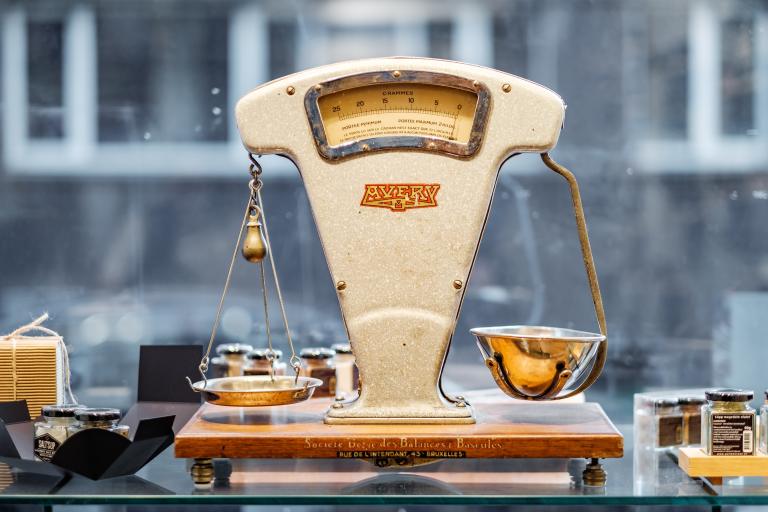
It might come as no surprise that we give preference to the things we already have. When there is something in my hands, the risk of letting it go is weighted disproportionately to when I am risking something that might or might not be gained.
We are familiar with what we have. We know it. And it feels like ours. It is a part of our possessions, our loot. We have limited space in life – a certain amount of square footage, mental capacity, time for pet projects, etc.
When we collect things, we put them into the treasure chest of our life. The limited-space treasure chest. And they become more safe, more controllable, more ours than the mere idea of collecting something we don’t have.
Therefore losing a gamble that cost a hundred dollars hurts a lot more than losing a gamble that would have gained a hundred dollars. The treasure leaving us feels more tangible, more real, than the imagined treasure we might have gained. It was only a thought, gone in an instant. Losing the hundred bucks we had in hand feels more real.
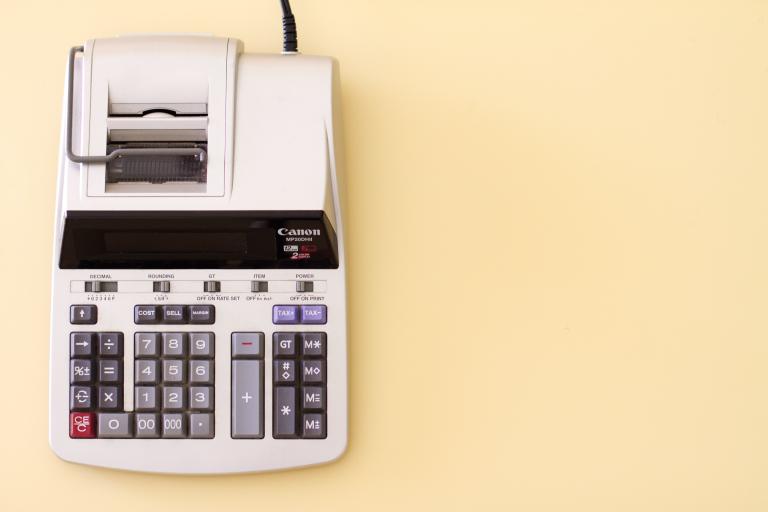
To bring this to life a little bit, my wife and I were in Switzerland a few years ago. We were on a budget and had an opportunity to take a tram up to the peak of one of the Alps. But it cost seventy bucks each. That was our money! We had earned it. There was so much more we could do with it. Was it worth the cost? The imagined gain from the experience was hard to quantify. Handing a hundred and forty bucks across the counter was much easier to measure. Sure this was an inviting experience, but there were others that would come along. We can’t spend our money on everything. Losing what we have was a heavy weight to consider.
Imagine Future
It may not surprise you that we overweigh evaluations concerning what we already have. It may however surprise you that we underweigh what we do not have. At least it surprised me about myself.
I would have guessed my mind runs wild with what could be. I am, after all, an optimist.
But what I found is that, when push came to shove, I undervalued what was new and unfamiliar. It is, after all, a risk.

Although we often have moments of bold risk and can occasionally get overly excited about what the future might bring, we are much more often skeptical about the future. We are unsure about uncertainty. And so we give it a higher cost. Sometimes this can be overcome, particularly when we are dissatisfied with life/what we have or the thrill is almost guaranteed to please. But our default is to be uncertain about what might come next; it is a survival instinct.
When we consider our imagined futures, almost all of us think about worst case scenarios and give them, in our minds, a higher statistical probability of happening than is scientifically true.
All this to say, my cost/benefit analysis needs a bit of analysis. There is nothing wrong with being generally cautious about the future or frugal with money. But I need to recognize what I am doing and why.
By the way, we ended up spending the hundred and forty bucks and going to the top of Mount Pilatus (in the Swiss Alps). We also found a way to hike down half of it in what turned out to be one of the best experiences we’ve had together. I actually don’t even remember how much the ticket cost. I just remember we almost didn’t do it and, for the sake of this blog, a hundred and forty bucks was as good as any other number.
In the end, evaluating things by their actual value is very hard. My predispositions, biases, and preferences get in the way. They complicate things and can make decision making a challenge.
Previous Post

June 3, 2021
Zooming Away
Next Post

June 10, 2021 The Allure of Self-Sacrifice
Browse Our Archives
Select a Category Choices Conflict Resolution Culture Change Emotions Failure Faith Fear Freedom V Growth Healthy Communication Hope Identity Influence Leadership Learn Mistakes Mood Curve Ownership Perspective Power Relationships Self-Awareness Self-Governance Systems Thinking Three Things You Control Transformational Leadership Trust Truth Uncategorized Values Vision
Select a Month January 2022 December 2021 November 2021 October 2021 September 2021 August 2021 July 2021 June 2021 May 2021 April 2021 March 2021 February 2021 January 2021 December 2020 November 2020 October 2020 September 2020 August 2020 July 2020 June 2020 May 2020 April 2020 March 2020 February 2020 January 2020 December 2019 November 2019 October 2019 September 2019 August 2019 July 2019 June 2019 May 2019 April 2019 March 2019 February 2019 January 2019 December 2018 November 2018 October 2018 September 2018 August 2018 July 2018 June 2018 May 2018 April 2018 March 2018 February 2018 January 2018 December 2017
Follow Us!
TAKE THE
Religious Wisdom Quiz
Who was the first woman?
Select your answer to see how you score.
Eve Sarah Mary Deborah
Books by This Author Books by Victorious Living
Related posts from Victorious Living

Culture is the Character of an Organization

Is Purpose Created or Discovered?
A Rare Case for Gratitude for 2021
TRENDING AT PATHEOS Family, Parenting and Religion

The Iron Gates and the Lion of the...
Yesterday, I didn't finish my report about, well, yesterday. So I'll...

Dolly Parton’s Last Song Wins Dove Award with...
Bluegrass band The Grascals, speaking on the red carpet at the 57th...

The Image: On the Horror of Capitalism and...
The Image Then went the Pharisees, and took counsel how they might...

We are approaching the date of our new American national holiday: October...

Letters on Living the Faith by C.S. Lewis
Most of us met C.S. Lewis as a public intellectual. Mere Christianity....

When Halloween Unmasks Married Hearts
Written by Dr. David K. Ewen from Eternal Truth Bible College Behind...
view all Family, Parenting and Religion blogs
Ad-Free & Subscriber Log-In Subscription Support
- About Us
- 2026 Calendar
- Videos
- Podcasts
- Library of World Religions
- Faith In Media Tracker
- Advertise With Us
- Write for Us
- Privacy Policy
- Terms of Service
- Do Not Sell My Data
- Contact Us
- Radiant Digital
- Manage Newsletter Subscriptions
- Unsubscribe From Notifications
- Sitemap
Copyright 2008-2026, Patheos. All rights reserved.
Subscription Support Ad-Free & Subscriber Log-In
Follow Patheos