
BuddhistCatholicContemplativeEvangelicalGeneral ChristianHinduJewishLatter-day SaintMuslimNew VisionsProgressive Christian
Beliefs
- Buddhist
- Catholic
- Contemplative
- Evangelical
- General Christian
- Hindu
- Jewish
- Latter-day Saint
- More Voices
- Muslim
- New Visions
- Pagan
- Progressive Christian
Topics
- Religion News
- Food and Religion
- Sports and Religion
- Religious Art
- Religious Music and Entertainment
- Religious Events
- History and Religion
- Style and Religion
- Politics and Religion
- Women in Religion
- Recreation Outdoors and Religion
- Business Finance and Religion
- Careers Workplace and Religion
- Education and Religion
- Family Parenting and Religion
- Health Fitness and Religion
- Home and Religion
- Relationships and Religion
- Technology and Religion
- Travel and Religion
Columnists
- Buddhist Columnists
- Business Finance and Religion Columnists
- Careers Workplace and Religion Columnists
- Catholic Columnists
- Contemplative Columnists
- Education and Religion Columnists
- Evangelists Columnists
- Family Parenting and Religion Columnists
- General Christian Columnists
- Health Fitness and Religion Columnists
- Hindu Columnists
- History and Religion Columnists
- Home and Religion Columnists
- Jewish Columnists
- More Voices Columnists
- Latter Day Columnists
- Muslim Columnists
- New Visions Columnists
- Nonreligious Columnists
- Pagan Columnists
- Politics and Religion Columnists
- Progressive Columnists
- Recreation Outdoors and Religion Columnists
- Relationships and Religion Columnists
- Religion News Columnists
- Religious Art Columnists
- Religious Events Columnists
- Religious Music and Entertainment Columnists
- Sports and Religion Columnists
- Style and Religion Columnists
- Technology and Religion Columnists
- Travel and Religion Columnists
- Women in Religion Columnists
Resource Library
- 2026 Calendar
- Library of World Religions
- The 100 Most Holy Places on Earth
- Patheos Answers
- Podcasts
- Videos
- Faith Leaders Database
- Anglican Episcopalian
- Bahai
- Baptist
- Buddhism
- Christianity
- Confucianism
- Eastern Orthodoxy
- Hinduism
- Holiness and Pentecostal
- ISKCON
- Islam
- Judaism
- Lutheran
- Methodist
- The Church of Jesus Christ of Latter-day Saints
- New Age
- Paganism
- Presbytarian and Reformed
- Protestantism
- Religion Behind the Scenes
- Roman Catholic
- Scientology
- Shia Islam
- Sikhism
- Sufism
- Sunni Islam
- Taoism
- Zen
- See all religions
Research Tools
 Ad-Free & Subscriber Log-In Subscription Support
Ad-Free & Subscriber Log-In Subscription Support
Follow Patheos 

- Trending:
- Forgiveness
- |
- Marriage
- |
- Consciousness
- |
- Death Penalty
- |
- Election
- |
- Halloween
 Victorious Living
- Home
- Family, Parenting and Religion
- Navigating Your Own Biases
Navigating Your Own Biases
Last updated on: June 4, 2020 at 5:00 am by Victorious Living
Navigating Your Own Biases 2020-06-04T00:03:47-04:00 Victorious Living
Patheos Explore the world's faith through different perspectives on religion and spirituality! Patheos has the views of the prevalent religions and spiritualities of the world.
I was shocked this week to hear a group of adults claim they were perfectly unbiased and to go so far as to express “offense” at the very thought they might be biased.
I think ignoring the reality of our bias has hurt us in a lot of different ways. It assumes a rightness for rightness sake; that if we think we are right it is empirically true, not at all influenced by presuppositions and conditions specific to us. I think this posture comes from defensiveness and an epidemic of victim mentality. We want to protect ourselves, we feel so endangered all the time, and we swing absurdly far in the opposite direction.
The truth is we cannot escape our biases. We can work around them, but only if we acknowledge them. And we can only acknowledge them if we discover them through careful self-reflection. And we can only do that if we are willing to admit they are there.
Influenced
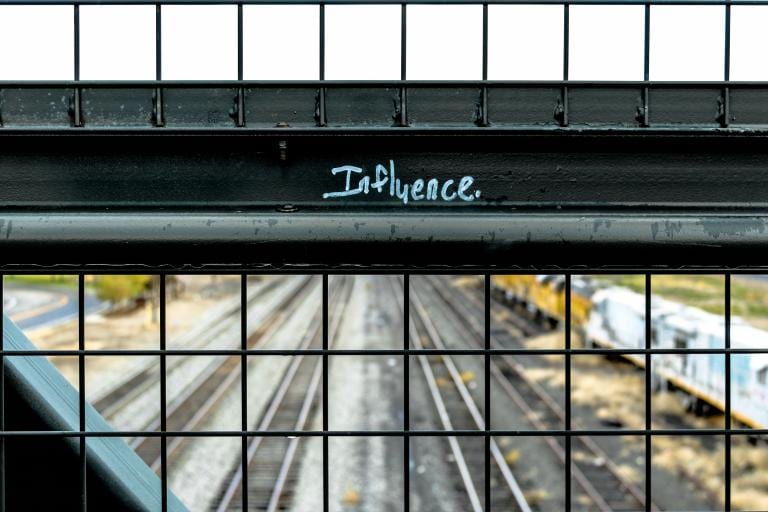
We are influenced by the particular conditions of our story. The experiences we have. The relationships we’ve seen and participated in. The communities that surround us. We are influenced. Those influences do not determine who we are and what we think, but they are powerful forces we need to navigate.
I get the temptation. I’m guilty of it. I want to impress an aura of capability. I want to show others that I am able to do the right thing, the best thing – that my circumstances don’t define me and I am doing the right thing because it is right.
The irony is the only way to truly do so requires me to own the reality of my biases. I have to acknowledge that there are influences on me and they do affect how I think, feel, and believe. If I ignore this, I give those influences more control.
Which is what we are seeing more and more of in our modern world. People are building a trench and making a stand, assuming they are right and without bias. All the while, their biases are entrenched with them, confirmation bias compounds the issue, and we become stuck in stubbornness and arrogance.
Complications
The reason we don’t want to acknowledge our biases is because it gets messy soon thereafter. We’d rather live in ignorant bliss.
Acknowledging the reality of biases means we then have to figure out what to do about them. And that isn’t so simple. It is like if I tell you to not think about red elephants in the next five minutes. You probably will for a little. You’ll try not to. You’ll move past it. Then, you might really enjoy the mental image of red elephants and just sort of give in. Our biases are not inherently wrong. And so now we have to figure out whether our bias needs to be reinforced or discarded, run toward or avoided.
If I tell you that you should vote for Candidate A at an upcoming election, I have made things weird for you. Assuming you are undecided, you start thinking about following my advice. You know you need to make your own decision. Does that mean you go against what I said, just to kind of prove you are making your own decision? Should you vote for Candidate A, would you be doing so because you got there on your own or were you subconsciously influenced by my suggestion?
This is why we try to pretend our bias isn’t there. It makes things complicated.
But complicated is the only way to truth.
So, how do you navigate your biases once you acknowledge them? This is one of the reasons we talk so much about vision and values. There are so many influences we encounter every day. If we are not tethered to something, we can be blown back and forth by every emotion, circumstance, and influence around us.
Our biases are not something we need to be afraid of. In order to seek truth and make the best decisions possible, we need to stop playing games. We need to acknowledge the realities of biases in our lives. In doing so, we invite the next question – what to do with them. And, like all things, they need to be measured against reality, our vision and values, and the best possibilities for our life, community, and relationships.
Previous Post

June 2, 2020
The Dangers of Getting Your Way
Next Post

June 9, 2020 Relationships are Forged in Fire
Browse Our Archives
Select a Category Choices Conflict Resolution Culture Change Emotions Failure Faith Fear Freedom V Growth Healthy Communication Hope Identity Influence Leadership Learn Mistakes Mood Curve Ownership Perspective Power Relationships Self-Awareness Self-Governance Systems Thinking Three Things You Control Transformational Leadership Trust Truth Uncategorized Values Vision
Select a Month January 2022 December 2021 November 2021 October 2021 September 2021 August 2021 July 2021 June 2021 May 2021 April 2021 March 2021 February 2021 January 2021 December 2020 November 2020 October 2020 September 2020 August 2020 July 2020 June 2020 May 2020 April 2020 March 2020 February 2020 January 2020 December 2019 November 2019 October 2019 September 2019 August 2019 July 2019 June 2019 May 2019 April 2019 March 2019 February 2019 January 2019 December 2018 November 2018 October 2018 September 2018 August 2018 July 2018 June 2018 May 2018 April 2018 March 2018 February 2018 January 2018 December 2017
Follow Us!
TAKE THE
Religious Wisdom Quiz
Who provided bread and Goliath's sword to David at Nob?
Select your answer to see how you score.
Abiathar Abner Ahimelech the priest Jonathan
Books by This Author Books by Victorious Living
Related posts from Victorious Living


The Most Wonderful Time of the Year


Searching for Reality: Daylight Savings
TRENDING AT PATHEOS Family, Parenting and Religion

The Iron Gates and the Lion of the...
Yesterday, I didn't finish my report about, well, yesterday. So I'll...

Dolly Parton’s Last Song Wins Dove Award with...
Bluegrass band The Grascals, speaking on the red carpet at the 57th...

The Image: On the Horror of Capitalism and...
The Image Then went the Pharisees, and took counsel how they might...

We are approaching the date of our new American national holiday: October...

Letters on Living the Faith by C.S. Lewis
Most of us met C.S. Lewis as a public intellectual. Mere Christianity....

When Halloween Unmasks Married Hearts
Written by Dr. David K. Ewen from Eternal Truth Bible College Behind...
view all Family, Parenting and Religion blogs
Ad-Free & Subscriber Log-In Subscription Support
- About Us
- 2026 Calendar
- Videos
- Podcasts
- Library of World Religions
- Faith In Media Tracker
- Advertise With Us
- Write for Us
- Privacy Policy
- Terms of Service
- Do Not Sell My Data
- Contact Us
- Radiant Digital
- Manage Newsletter Subscriptions
- Unsubscribe From Notifications
- Sitemap
Copyright 2008-2026, Patheos. All rights reserved.
Subscription Support Ad-Free & Subscriber Log-In
Follow Patheos