
BuddhistCatholicContemplativeEvangelicalGeneral ChristianHinduJewishLatter-day SaintMuslimNew VisionsProgressive Christian
Beliefs
- Buddhist
- Catholic
- Contemplative
- Evangelical
- General Christian
- Hindu
- Jewish
- Latter-day Saint
- More Voices
- Muslim
- New Visions
- Pagan
- Progressive Christian
Topics
- Religion News
- Food and Religion
- Sports and Religion
- Religious Art
- Religious Music and Entertainment
- Religious Events
- History and Religion
- Style and Religion
- Politics and Religion
- Women in Religion
- Recreation Outdoors and Religion
- Business Finance and Religion
- Careers Workplace and Religion
- Education and Religion
- Family Parenting and Religion
- Health Fitness and Religion
- Home and Religion
- Relationships and Religion
- Technology and Religion
- Travel and Religion
Columnists
- Buddhist Columnists
- Business Finance and Religion Columnists
- Careers Workplace and Religion Columnists
- Catholic Columnists
- Contemplative Columnists
- Education and Religion Columnists
- Evangelists Columnists
- Family Parenting and Religion Columnists
- General Christian Columnists
- Health Fitness and Religion Columnists
- Hindu Columnists
- History and Religion Columnists
- Home and Religion Columnists
- Jewish Columnists
- More Voices Columnists
- Latter Day Columnists
- Muslim Columnists
- New Visions Columnists
- Nonreligious Columnists
- Pagan Columnists
- Politics and Religion Columnists
- Progressive Columnists
- Recreation Outdoors and Religion Columnists
- Relationships and Religion Columnists
- Religion News Columnists
- Religious Art Columnists
- Religious Events Columnists
- Religious Music and Entertainment Columnists
- Sports and Religion Columnists
- Style and Religion Columnists
- Technology and Religion Columnists
- Travel and Religion Columnists
- Women in Religion Columnists
Resource Library
- 2026 Calendar
- Library of World Religions
- The 100 Most Holy Places on Earth
- Patheos Answers
- Podcasts
- Videos
- Faith Leaders Database
- Anglican Episcopalian
- Bahai
- Baptist
- Buddhism
- Christianity
- Confucianism
- Eastern Orthodoxy
- Hinduism
- Holiness and Pentecostal
- ISKCON
- Islam
- Judaism
- Lutheran
- Methodist
- The Church of Jesus Christ of Latter-day Saints
- New Age
- Paganism
- Presbytarian and Reformed
- Protestantism
- Religion Behind the Scenes
- Roman Catholic
- Scientology
- Shia Islam
- Sikhism
- Sufism
- Sunni Islam
- Taoism
- Zen
- See all religions
Research Tools
 Ad-Free & Subscriber Log-In Subscription Support
Ad-Free & Subscriber Log-In Subscription Support
Follow Patheos 

- Trending:
- Forgiveness
- |
- Marriage
- |
- Consciousness
- |
- Death Penalty
- |
- Election
- |
- Halloween
 UU Collective
- Home
- New Visions
- Building Better Primates
Building Better Primates
Last updated on: February 5, 2015 at 6:28 am by David Breeden
Building Better Primates 2015-02-05T06:28:10-07:00 David Breeden
Patheos Explore the world's faith through different perspectives on religion and spirituality! Patheos has the views of the prevalent religions and spiritualities of the world.
I always enjoy reading columns by New York Times Op-Ed writer David Brooks. His opinions are not of the usual “conservatives say the darnedest things” variety, and his 3 February 2015 column “Building Better Secularists” is no exception. (See the link below)
First off, Brooks admits some inconvenient truths that most apologists for religion won’t, such as the fact that evidence says secular people are more—not less—“moral” and law-abiding than religious people. (Go figure!) Brooks also faces the fact that “atheist, agnostic, or without religious affiliation” is a growing group, making up one out of five Americans, and one in three of the “youngest Americans.”
He might also mention that people in the European Union—the old “Christendom”—now split 50-50 over the question of the existence of a god and that in most EU countries attendance at houses of worship is in the single digits. (For comparison, one in three Americans attend at least once a month). In this context, I think it might be more clarifying to call people “post-religious” rather than secular—many are done with religion, but it’s not about rejection, it’s about irrelevance.
These numbers alone should end debate. But as a leader of a Humanist congregation, I am intrigued by the question of how post-religious people can live more meaningful and purposeful lives in community. Brooks suggests that post-religious people face three challenges: build-it-yourself morality; build-it-yourself communities; and build-it-yourself moral motivation. The religious, in Brooks’ view, have all these provided ready-made by tradition.
However, isn’t it true that part of the consumerist American spirituality industry, from the Eighteenth Century to the present, has been exactly about build-it-yourself morality; build-it-yourself communities; and build-it-yourself moral motivation—well exemplified by the Church of Latter Day Saints and Scientology?
Strip-mall spirituality is one of the reasons more Americans still attend congregations, but the connection to tradition is often tenuous at best. I agree with Brooks that this is a problem. That’s why I am, in addition to being post-religious, also a Humanist—I believe in building community and finding moral direction in a responsible manner.
I am the senior minister of a congregation that has been Humanist for ninety-nine years. (That’s almost a century!) That’s a bit of time to have developed some community, morality, and motivation. All without reference to any gods or supernatural woo-woo. It’s not all that new after all, unless you see Claude Monet is the hottest new trend.
How has my congregation managed? Well, tradition for one. When the newbie-Christians came around, they suppressed and killed off some very fine and very ancient communities in which morality and moral cultivation had been taken seriously for a very long time. That’s one way. We look back past the newbie colonizers. (Oh, and there’s also China.)
Beyond that, the religions that now predominate in the world are very young in comparison to the evolved morality of the human brain. Why are the same things taboo in various and sundry religions and philosophies all over the planet? Because human beings evolved morality long before the rise of the Iron Age religions that now dominate the world.
Yes, I agree with David Brooks that a default and consumerist secularity is not good for anyone. I don’t, however, agree that we humans have a “spiritual urge” toward “purity, self-transcendence and sanctification.” Two of those are marketing terms as far as I can see. . . creating a need to be filled. Smart marketing, bad philosophy. From my perspective human beings are pure and sanctified enough the day we’re born.
But I do agree that we can do better. Always better.
Sure, I agree that meaning and purpose are born of those things that transcend individualism. “Self-transcendence” arises when we realize that primates diverged from other mammals eighty-five million years ago . . . and we’ve still got a long way to go. And that way includes new, post-religious, ways of thinking.
Go, primates!
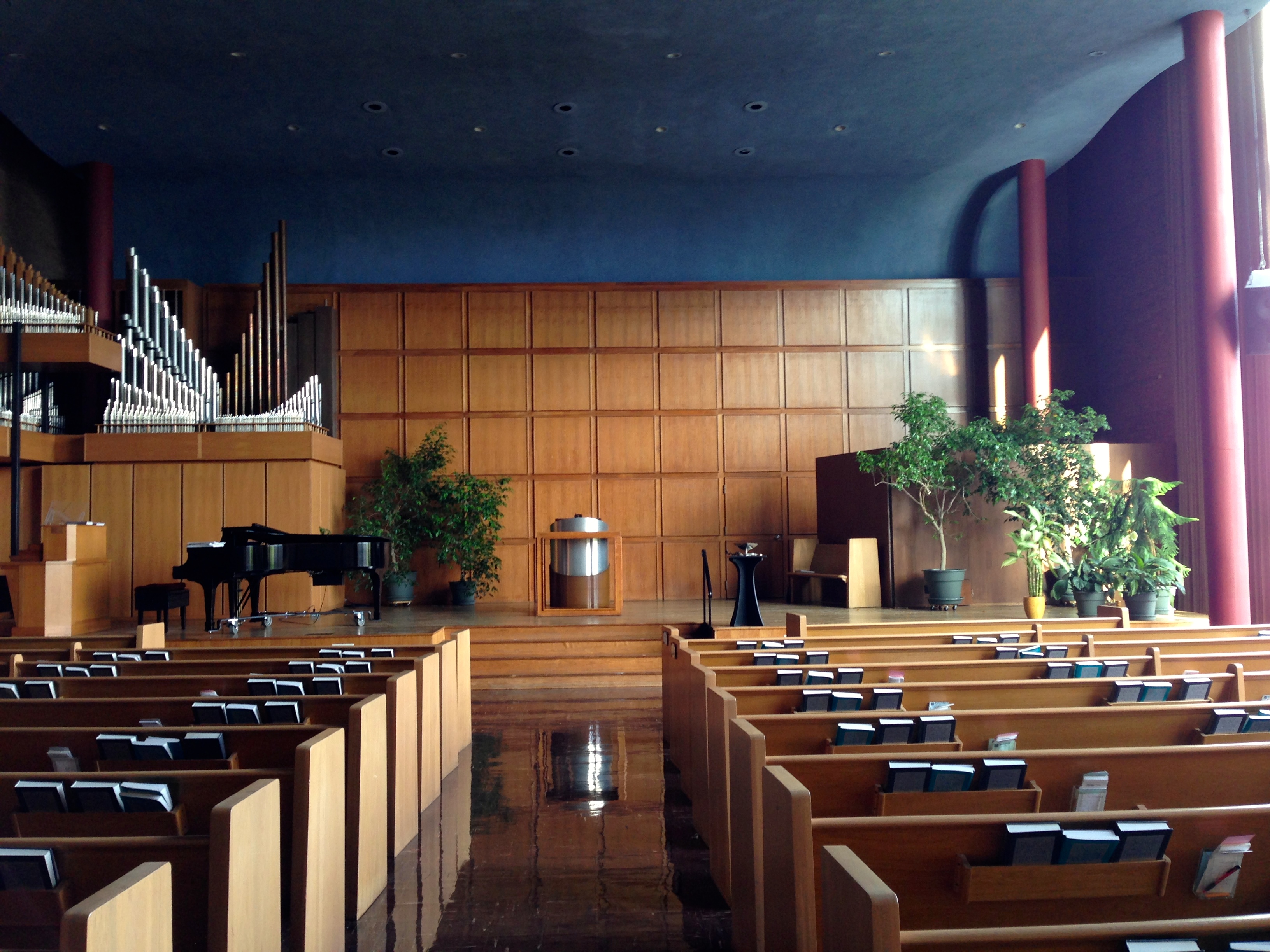
Look, mom, no religious symbols!
Previous Post

January 29, 2015
The Bigness of our Littleness: Humanism and Individualism
Next Post
February 9, 2015 How Do We Interact on the Cyber-Commons?
Browse Our Archives
Select a Category #9/11 Abortion Class community conflict Digital Life Diversity Divorce Environmental issues Evangelism Faith Development Foregiveness Garden glbt Gratitude Grief Healing health care Holidays Hospitality Interfaith LGBT Issues Military Service Mortality Orlando Parenting Peace Politics Power Prayer Racism Relationships Religion Scripture Senior citizens Sermons simplicity Social Justice Spirituality Sports Sustainability Uncategorized Unitarian Universalist Values Women's Issues World Community Worship
Select a Month August 2017 July 2017 June 2017 May 2017 April 2017 March 2017 February 2017 January 2017 December 2016 November 2016 October 2016 September 2016 August 2016 July 2016 June 2016 May 2016 April 2016 March 2016 February 2016 January 2016 December 2015 November 2015 October 2015 September 2015 August 2015 July 2015 June 2015 May 2015 April 2015 March 2015 February 2015 January 2015 December 2014 November 2014 October 2014 September 2014 August 2014 July 2014 June 2014 May 2014 April 2014 March 2014 February 2014 January 2014 December 2013 November 2013 October 2013 September 2013 August 2013 July 2013 June 2013 May 2013 April 2013 March 2013 February 2013 January 2013 December 2012 November 2012 October 2012 September 2012 August 2012 July 2012 June 2012 May 2012
Follow Us!
TAKE THE
Religious Wisdom Quiz
What was the primary conflict resolution method in Biblical times?
Select your answer to see how you score.
Public debate Lottery Elder council Sword fight
Related posts from UU Collective

#Charlottesville and Getting Real

On the Suppression of Knowledge

#Epicurus and Atomic Moderation

Steal Your Fire, Drink Your Tea
TRENDING AT PATHEOS New Visions

Did Prayer Cure His Cancer? Or Was It...
At 4 AM one morning, Joshua W. Brown’s wife awoke to a...

8 Ways a Near-Death Experience Rewires the Soul
Does Consciousness Survive Physical Death? After 50 Years of Research, Dr. Raymond...

Holy Longing: What Our Restlessness Is Telling Us
“One can find so many pains when the rain is falling.” -John...

What this is NOT about. This blog is definitely not about...

Who said the Israelites were God’s chosen? That’s right, they did. Who...

The Spirit World Is the Real World: God...
A Monk’s Wisdom on Body and Spirit I sit with Brother Martin...
view all New Visions blogs
Ad-Free & Subscriber Log-In Subscription Support
- About Us
- 2026 Calendar
- Videos
- Podcasts
- Library of World Religions
- Faith In Media Tracker
- Advertise With Us
- Write for Us
- Privacy Policy
- Terms of Service
- Do Not Sell My Data
- Contact Us
- Radiant Digital
- Manage Newsletter Subscriptions
- Unsubscribe From Notifications
- Sitemap
Copyright 2008-2026, Patheos. All rights reserved.
Subscription Support Ad-Free & Subscriber Log-In
Follow Patheos