
BuddhistCatholicContemplativeEvangelicalGeneral ChristianHinduJewishLatter-day SaintMuslimNew VisionsProgressive Christian
Beliefs
- Buddhist
- Catholic
- Contemplative
- Evangelical
- General Christian
- Hindu
- Jewish
- Latter-day Saint
- More Voices
- Muslim
- New Visions
- Pagan
- Progressive Christian
Topics
- Religion News
- Food and Religion
- Sports and Religion
- Religious Art
- Religious Music and Entertainment
- Religious Events
- History and Religion
- Style and Religion
- Politics and Religion
- Women in Religion
- Recreation Outdoors and Religion
- Business Finance and Religion
- Careers Workplace and Religion
- Education and Religion
- Family Parenting and Religion
- Health Fitness and Religion
- Home and Religion
- Relationships and Religion
- Technology and Religion
- Travel and Religion
Columnists
- Buddhist Columnists
- Business Finance and Religion Columnists
- Careers Workplace and Religion Columnists
- Catholic Columnists
- Contemplative Columnists
- Education and Religion Columnists
- Evangelists Columnists
- Family Parenting and Religion Columnists
- General Christian Columnists
- Health Fitness and Religion Columnists
- Hindu Columnists
- History and Religion Columnists
- Home and Religion Columnists
- Jewish Columnists
- More Voices Columnists
- Latter Day Columnists
- Muslim Columnists
- New Visions Columnists
- Nonreligious Columnists
- Pagan Columnists
- Politics and Religion Columnists
- Progressive Columnists
- Recreation Outdoors and Religion Columnists
- Relationships and Religion Columnists
- Religion News Columnists
- Religious Art Columnists
- Religious Events Columnists
- Religious Music and Entertainment Columnists
- Sports and Religion Columnists
- Style and Religion Columnists
- Technology and Religion Columnists
- Travel and Religion Columnists
- Women in Religion Columnists
Resource Library
- 2026 Calendar
- Library of World Religions
- The 100 Most Holy Places on Earth
- Patheos Answers
- Podcasts
- Videos
- Faith Leaders Database
- Anglican Episcopalian
- Bahai
- Baptist
- Buddhism
- Christianity
- Confucianism
- Eastern Orthodoxy
- Hinduism
- Holiness and Pentecostal
- ISKCON
- Islam
- Judaism
- Lutheran
- Methodist
- The Church of Jesus Christ of Latter-day Saints
- New Age
- Paganism
- Presbytarian and Reformed
- Protestantism
- Religion Behind the Scenes
- Roman Catholic
- Scientology
- Shia Islam
- Sikhism
- Sufism
- Sunni Islam
- Taoism
- Zen
- See all religions
Research Tools
 Ad-Free & Subscriber Log-In Subscription Support
Ad-Free & Subscriber Log-In Subscription Support
Follow Patheos 

- Trending:
- Forgiveness
- |
- Marriage
- |
- Consciousness
- |
- Death Penalty
- |
- Election
- |
- Halloween

- Home
- Hindu
- Demystifying Hindu Temple Architecture
Demystifying Hindu Temple Architecture
Last updated on: August 21, 2024 at 8:08 am by Ananda
Demystifying Hindu Temple Architecture 2024-08-21T08:08:05-07:00 Ananda
Patheos Explore the world's faith through different perspectives on religion and spirituality! Patheos has the views of the prevalent religions and spiritualities of the world.
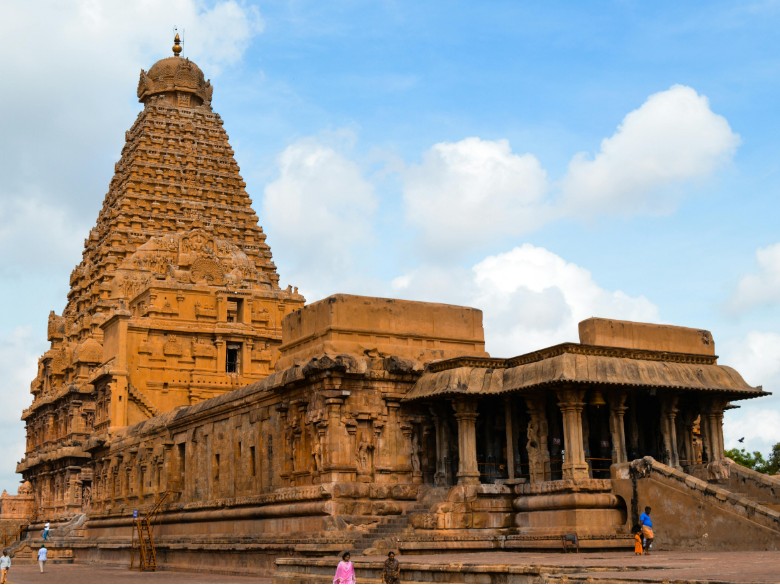
Image courtesy of Pexels.
Hinduism and temples are inexplicably linked, and it is no surprise that Hindu temples offer a rich diversity of styles and traditions. From the 212-foot towering Thanjavur temple in South India to the stunning Kedarnath temple deep in the Hiamlayas, these temples feature specific styles that hold great spiritual significance. This article will discuss the major components and styles of Hindu temples.
At their core, Hindu temples are usually classified into three specific types: Nagara, Dravidian, and Vesara, each with its own unique style. Each style is primarily found in certain geographic regions of India and has its own customs and daily rituals.
NAGARA TEMPLES
Nagara-style temples are found in most parts of Northern, Western, and Eastern India. Nagara is taken from the word Naga, as it is associated with snakes and curves at the top while following a straight line from the bottom. They generally have tower-like spires that rise up vertically, reaching out into the sky. Some classic examples of this style include the Kedarnath and the Sun temple in Konark.

@Pexels
DRAVIDIAN TEMPLES
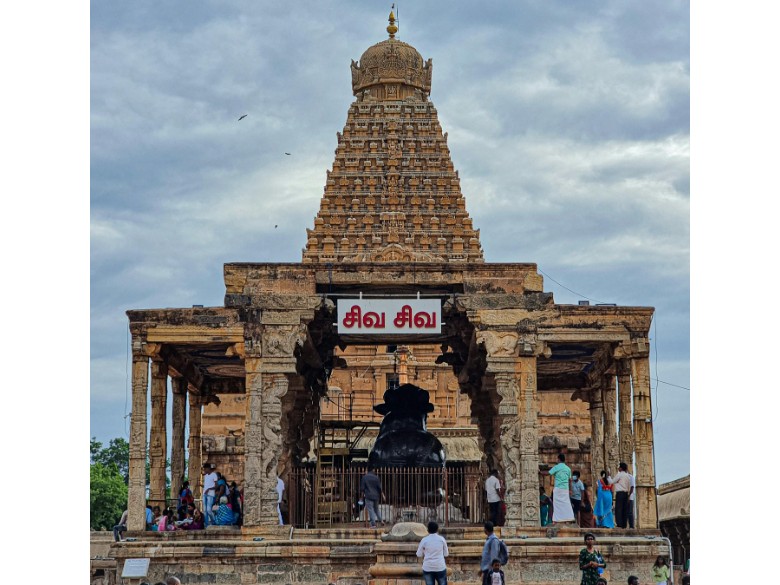
Dravidian-style temples are characterized by a stunning stepped, pyramidal structure called a Vimana. This Vimana encloses the garbha-griha, the sacred center where the deity resides. Dravidian temples are found mainly in the South, including the states of Karnataka, Tamil Nadu, and Andhra Pradesh. These temples are usually enclosed by an outer compound wall with an entrance gateway in its center, known as a Gopuram. The Gopuram is exceptionally ornate and consists of sculptures of various Gods and Goddesses and their associated leelas or plays.
@Pexels
VESARA TEMPLES
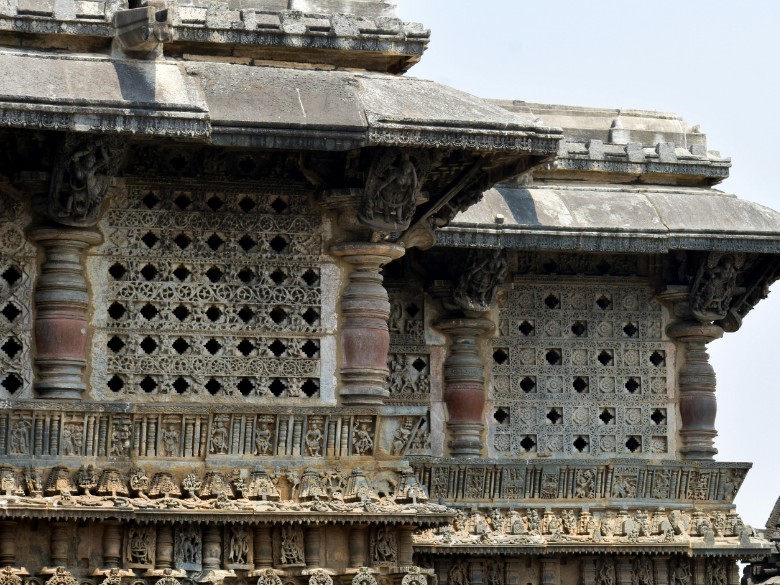
Vesara temples are a unique combination of Nagara and Dravidian styles and are found in Karnataka. Drawing upon both influences, they feature a rounded or elliptical sanctum rather than the square plan seen in pure Dravida or Nagara structures. Some of the best examples of Vesara temples include the Hoysala temples found in Halebid, Belur, and Somnathpur. Furthermore, the temple columns, roof, and outer carvings are immensely detailed and sure to leave anyone visiting in awe.
@Pexels
ASPECTS OF TEMPLES
Regardless of the style of the temple, all temples will feature 6 critical aspects.
The Adhishtana is the foundation of the temple.
The Bhitti is the wall segment of the temple.
The Prastara extends out from the wall and protects from rain, heat, etc.
Griva is the neck.
Sikhara is the head.
Stupi (or kalasa) is a round structure that is the temple’s apex and is located on the roof.
Aside from these three main types of temples found all over India, there are many more styles of temples with their own distinctive features. The greatness of Hinduism lies in the fact that everyone can find and follow their own unique path to God, and the rich diversity of temples in India helps one achieve that.
Previous Post

December 28, 2023
Are Hindus Really Polytheistic?
Browse Our Archives
Select a Category Religion News
Select a Month August 2024 December 2023
Follow Us!
TAKE THE
Religious Wisdom Quiz
What does the Hebrew word 'Ruach' mean?
Select your answer to see how you score.
Water Spirit/Breath Strength Fire
Related posts from Unveiling Hindu Wisdom
Are Hindus Really Polytheistic?

Do Hindus Really Worship Idols?
TRENDING AT PATHEOS Hindu

Indian Hindu pilot’s valor in line of duty...
There is a hoary maritime tradition that the captain of the...

Movie on Neem Karoli Baba’s life is a...
Neem Karoli Baba’s life (1900-1973) is associated with miracles he made in...

20 Questions to Ask Before an Interfaith Marriage,...
Four questions every interfaith couple should discuss before marriage: Conversion. Will either...

Avadhānam: The Art of Concentration and Intellectual Mastery
What is Avadhānam? In the summer of 2015, during a three-day Sanskrit...

Jesus in the Dharma: Where Christ Fits in...
Where Does Jesus Fit in Hinduism? That’s a question I get often...

Hormuz: A Shared Hindu and Zoroastrian Heritage
Every evening, somewhere in the world, a newsreader utters the words: "The...
view all Hindu blogs
Ad-Free & Subscriber Log-In Subscription Support
- About Us
- 2026 Calendar
- Videos
- Podcasts
- Library of World Religions
- Faith In Media Tracker
- Advertise With Us
- Write for Us
- Privacy Policy
- Terms of Service
- Do Not Sell My Data
- Contact Us
- Radiant Digital
- Manage Newsletter Subscriptions
- Unsubscribe From Notifications
- Sitemap
Copyright 2008-2026, Patheos. All rights reserved.
Subscription Support Ad-Free & Subscriber Log-In
Follow Patheos