
BuddhistCatholicContemplativeEvangelicalGeneral ChristianHinduJewishLatter-day SaintMuslimNew VisionsProgressive Christian
Beliefs
- Buddhist
- Catholic
- Contemplative
- Evangelical
- General Christian
- Hindu
- Jewish
- Latter-day Saint
- More Voices
- Muslim
- New Visions
- Pagan
- Progressive Christian
Topics
- Religion News
- Food and Religion
- Sports and Religion
- Religious Art
- Religious Music and Entertainment
- Religious Events
- History and Religion
- Style and Religion
- Politics and Religion
- Women in Religion
- Recreation Outdoors and Religion
- Business Finance and Religion
- Careers Workplace and Religion
- Education and Religion
- Family Parenting and Religion
- Health Fitness and Religion
- Home and Religion
- Relationships and Religion
- Technology and Religion
- Travel and Religion
Columnists
- Buddhist Columnists
- Business Finance and Religion Columnists
- Careers Workplace and Religion Columnists
- Catholic Columnists
- Contemplative Columnists
- Education and Religion Columnists
- Evangelists Columnists
- Family Parenting and Religion Columnists
- General Christian Columnists
- Health Fitness and Religion Columnists
- Hindu Columnists
- History and Religion Columnists
- Home and Religion Columnists
- Jewish Columnists
- More Voices Columnists
- Latter Day Columnists
- Muslim Columnists
- New Visions Columnists
- Nonreligious Columnists
- Pagan Columnists
- Politics and Religion Columnists
- Progressive Columnists
- Recreation Outdoors and Religion Columnists
- Relationships and Religion Columnists
- Religion News Columnists
- Religious Art Columnists
- Religious Events Columnists
- Religious Music and Entertainment Columnists
- Sports and Religion Columnists
- Style and Religion Columnists
- Technology and Religion Columnists
- Travel and Religion Columnists
- Women in Religion Columnists
Resource Library
- 2026 Calendar
- Library of World Religions
- The 100 Most Holy Places on Earth
- Patheos Answers
- Podcasts
- Videos
- Faith Leaders Database
- Anglican Episcopalian
- Bahai
- Baptist
- Buddhism
- Christianity
- Confucianism
- Eastern Orthodoxy
- Hinduism
- Holiness and Pentecostal
- ISKCON
- Islam
- Judaism
- Lutheran
- Methodist
- The Church of Jesus Christ of Latter-day Saints
- New Age
- Paganism
- Presbytarian and Reformed
- Protestantism
- Religion Behind the Scenes
- Roman Catholic
- Scientology
- Shia Islam
- Sikhism
- Sufism
- Sunni Islam
- Taoism
- Zen
- See all religions
Research Tools
 Ad-Free & Subscriber Log-In Subscription Support
Follow Patheos 

- Trending:
- Advent
- |
- Forgiveness
- |
- Thanksgiving
- |
- Election
- |
- Seasonal Holidays
- |
- Marriage
 Unsystematic Theology
- Home
- Progressive Christian
- God Couldn’t Stop the Terrorist Attacks in Paris, Tom Oord Says
God Couldn’t Stop the Terrorist Attacks in Paris, Tom Oord Says
Last updated on: November 17, 2015 at 11:59 am by Kyle Roberts
God Couldn’t Stop the Terrorist Attacks in Paris, Tom Oord Says 2015-11-17T11:59:57-05:00 Kyle Roberts
Patheos Explore the world's faith through different perspectives on religion and spirituality! Patheos has the views of the prevalent religions and spiritualities of the world.
It’s become fashionable in academic theology circles to refuse to speculate on God’s role in evil and suffering. This is especially so after a major tragedy or outburst of evil occurs.
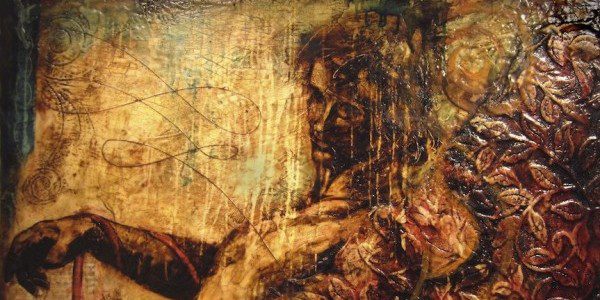
“Sing Into Peace,” by Dan Addington
This is understandable for several reasons: First of all, how can we possibly know what God could or could not do, or would or would not do, with respect to events in the world? Maybe God isn’t the sort of being we can analyze in this way. Furthermore, given our inability to determine God’s action in our world, shouldn’t we just focus on the causes we can determine to be the case as well as focusing on constructing solutions and responses for dealing with the situation?
Secondly, probing into the mysteries of God’s agency with respect to the problem of evil and suffering sounds a whole lot like apologetics, and outside of conservative evangelical circles, apologetics is definitely not cool (and it’s considered not cool for some good reasons, mind you). Apologetics has an often-well-deserved reputation for not being particularly pastoral. Theodicy in particular (the “defense of God in the context of the problem of evil and suffering”), as a category of apologetics, has a history of being disassociated from pastoral and existential realities.
Nonetheless, Thomas Jay Oord bucked the trend yesterday by putting out an essay where he defends a rather unpopular thesis: He asks, “Did God Allow the Paris Attacks?” His answer is “no.” God didn’t allow the Paris attacks. God couldn’t prevent them from happening.
For Oord, God is love. The fundamental nature of God as love is non-negotiable, for Oord. A loving God would not allow or permit evil and harm to befall God’s creatures.Rather than rethink God as love or what we typically mean by love or loving (as many others in the Christian, particularly Calvinistic Reformed tradition have done), Oord suggests that we rethink how we understand power. He writes,
I think theologians and Christians in general need to rethink God’s power. This means rethinking what it means to say God can control creatures and creation, whether these existing things have freedom or not.
I think theologians and Christians in general need to rethink God’s power. This means rethinking what it means to say God can control creatures and creation, whether these existing things have freedom or not. – See more at: http://thomasjayoord.com/index.php/blog/archives/did-god-allow-the-paris-attacks#sthash.ygqHRVKA.dpuf
I think theologians and Christians in general need to rethink God’s power. This means rethinking what it means to say God can control creatures and creation, whether these existing things have freedom or not. – See more at: http://thomasjayoord.com/index.php/blog/archives/did-god-allow-the-paris-attacks#sthash.ygqHRVKA.dpuf
God’s power, for Oord, is an “uncontrolling” and non-coercive power. To understand fully what Oord means by “uncontrolling” and how he unpacks this in light of God’s relation to creation/world/human agency/evil, etc., we’ll all have to read his forthcoming book, The Uncontrolling Love of God.
I find his concluding reflection compelling:
I find comfort in believing that God could not have stopped the terrorist attacks. If a loving God could have prevented them, I think this God should have done so. But if divine love is such that God is metaphysically unable to thwart such attacks, I can without scruples maintain my faith in the steadfast love of God. My hope is that this uncontrolling love will one day winsomely win all creation to right relationship.
It’s compelling to me because Oord expresses here why theology is actually pastoral, when approached the right way. It matters–to a lot of people, anyway–how they envision God and God’s relation to them and to their suffering. It matters how they portray God’s relation to events within our time frame–especially to events that we strain to understand and find nearly impossible to accept. It matters what kind of God we believe we are praying to, appealing to, or protesting against, in times of grief and confusion.
I think Oord shows us why we don’t really need apologetics as a distinct discipline; if just practice good theology we’ll achieve a better result.
My theology differs from Oord’s, but I empathize with his rationale as set forth here and I look forward to learning how he explains more fully his view of God.
Image Source (slightly cropped)
Previous Post

November 16, 2015
"Love Your Enemies." Seriously?
Next Post
November 18, 2015 Why We Can Never Cease Speaking of Bodies (M. Shawn Copeland)
Browse Our Archives
Select a Category Uncategorized
Select a Month December 2020 November 2020 June 2020 May 2020 April 2020 December 2018 July 2018 March 2018 February 2018 January 2018 December 2017 November 2017 October 2017 September 2017 August 2017 July 2017 June 2017 April 2017 March 2017 February 2017 January 2017 December 2016 November 2016 October 2016 September 2016 August 2016 July 2016 June 2016 May 2016 April 2016 March 2016 February 2016 January 2016 December 2015 November 2015 October 2015 September 2015 August 2015 July 2015 June 2015 May 2015 April 2015 March 2015 February 2015 January 2015 December 2014
Follow Us!
TAKE THE
Religious Wisdom Quiz
What does "Immanuel" mean in Hebrew?
Select your answer to see how you score.
The Lord reigns Prince of Peace The Anointed One God with us
Books by This Author Books by Kyle Roberts
Related posts from Unsystematic Theology

Mother God: What Are We Doing When We...

The Value of Seminary in a World Gone...
Was Jesus Intersex or Was Mary?
10 Very Good Books on the Reformation and...
TRENDING AT PATHEOS Progressive Christian

Can a Chatbot Touch Your Soul?
Can a chatbot offer genuine spiritual counsel? One conversation brought me to...

Religion and Politics: How Should We Then Live?
Two cultural axioms get repeated in polite company. Don't mix religion and...

7 Things We Get Wrong About Giving Thanks
It's a time of year when many of us turn to the...

Uncaging Truth: Spirituality Beyond Institutions
The Lost Connection: Why True Spirituality, Not Religion, Is the Key to...

Christ the King? Maybe We've Misunderstood the Crown
What do we mean when we say that Jesus is King? What...

Counter “Christ Is King” Nationalism with Christ THE...
Christ the King Sunday is an ideal time to address the heresy...
view all Progressive Christian blogs
Ad-Free & Subscriber Log-In Subscription Support
- About Us
- 2026 Calendar
- Videos
- Podcasts
- Library of World Religions
- Faith In Media Tracker
- Advertise With Us
- Write for Us
- Privacy Policy
- Terms of Service
- Do Not Sell My Data
- Contact Us
- Radiant Digital
- Manage Newsletter Subscriptions
- Unsubscribe From Notifications
- Sitemap
Copyright 2008-2026, Patheos, part of the Radiant Digital network of media brands. All rights reserved.
Subscription Support Ad-Free & Subscriber Log-In
Follow Patheos