
BuddhistCatholicContemplativeEvangelicalGeneral ChristianHinduJewishLatter-day SaintMuslimNew VisionsProgressive Christian
Beliefs
- Buddhist
- Catholic
- Contemplative
- Evangelical
- General Christian
- Hindu
- Jewish
- Latter-day Saint
- More Voices
- Muslim
- New Visions
- Pagan
- Progressive Christian
Topics
- Religion News
- Food and Religion
- Sports and Religion
- Religious Art
- Religious Music and Entertainment
- Religious Events
- History and Religion
- Style and Religion
- Politics and Religion
- Women in Religion
- Recreation Outdoors and Religion
- Business Finance and Religion
- Careers Workplace and Religion
- Education and Religion
- Family Parenting and Religion
- Health Fitness and Religion
- Home and Religion
- Relationships and Religion
- Technology and Religion
- Travel and Religion
Columnists
- Buddhist Columnists
- Business Finance and Religion Columnists
- Careers Workplace and Religion Columnists
- Catholic Columnists
- Contemplative Columnists
- Education and Religion Columnists
- Evangelists Columnists
- Family Parenting and Religion Columnists
- General Christian Columnists
- Health Fitness and Religion Columnists
- Hindu Columnists
- History and Religion Columnists
- Home and Religion Columnists
- Jewish Columnists
- More Voices Columnists
- Latter Day Columnists
- Muslim Columnists
- New Visions Columnists
- Nonreligious Columnists
- Pagan Columnists
- Politics and Religion Columnists
- Progressive Columnists
- Recreation Outdoors and Religion Columnists
- Relationships and Religion Columnists
- Religion News Columnists
- Religious Art Columnists
- Religious Events Columnists
- Religious Music and Entertainment Columnists
- Sports and Religion Columnists
- Style and Religion Columnists
- Technology and Religion Columnists
- Travel and Religion Columnists
- Women in Religion Columnists
Resource Library
- 2026 Calendar
- Library of World Religions
- The 100 Most Holy Places on Earth
- Patheos Answers
- Podcasts
- Videos
- Faith Leaders Database
- Anglican Episcopalian
- Bahai
- Baptist
- Buddhism
- Christianity
- Confucianism
- Eastern Orthodoxy
- Hinduism
- Holiness and Pentecostal
- ISKCON
- Islam
- Judaism
- Lutheran
- Methodist
- The Church of Jesus Christ of Latter-day Saints
- New Age
- Paganism
- Presbytarian and Reformed
- Protestantism
- Religion Behind the Scenes
- Roman Catholic
- Scientology
- Shia Islam
- Sikhism
- Sufism
- Sunni Islam
- Taoism
- Zen
- See all religions
Research Tools
 Ad-Free & Subscriber Log-In Subscription Support
Ad-Free & Subscriber Log-In Subscription Support
Follow Patheos 

- Trending:
- Forgiveness
- |
- Marriage
- |
- Consciousness
- |
- Death Penalty
- |
- Election
- |
- Halloween
 Unfundamentalist Parenting
- Home
- Progressive Christian
- Family, Parenting and Religion
- Is Your Personal Relationship with God a Dysfunctional One?
Is Your Personal Relationship with God a Dysfunctional One?
Last updated on: August 4, 2017 at 9:15 am by Cindy Brandt
Is Your Personal Relationship with God a Dysfunctional One? 2017-08-04T09:15:00+08:00 Cindy Brandt
Patheos Explore the world's faith through different perspectives on religion and spirituality! Patheos has the views of the prevalent religions and spiritualities of the world.
I was raised to believe what sets Christianity apart from other religions is how God is a personable God. God is all-powerful but One who is accessible. I can still sing the familiar chorus without skipping a beat,
God knows my name,
God knows my every thought,
God sees each tear that falls,
And God hears me when I call.
God cares about the smallest details of our lives.
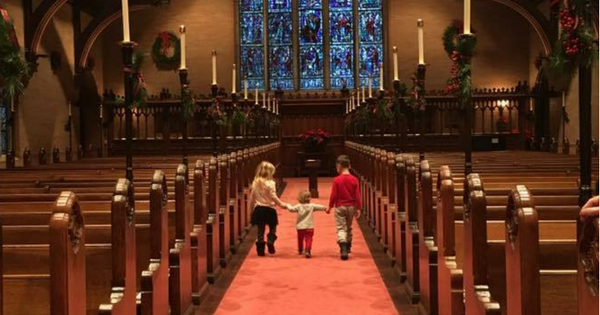
Image provided by writer
I think this can be a beautiful thing to introduce to our children, that God loves, God cares, and God is always by-your-side; the most loyal friend, Someone besides parents to be their companion.
The problem is, a child’s view of a Personal God is based mostly on their conception of relationships with the people in their lives. This is why modeling a loving and healthy relationship with our children is so vital to their spirituality—because we are their first examples of what a relationship with God can look like.
If a child has a toxic relationship with his parents, it is very difficult to wrest that dysfunction away from their relationship with God.
One example of relationship dysfunction is emotional manipulation. When we parent our children by telling them, “if you act this way, you will make mommy sad,” this is a form of control. It guilts the child into behaving the way the parent wants them to behave; it breaches emotional boundaries by making the child responsible for the adult’s feelings.
And yet, this kind of emotional manipulation is rampant in religious fundamentalism, where God can be displeased by a child’s behavior. God is wielded as a tool of discipline and control over a child’s will.
This is terrifying for a child because they also learn that God is even more powerful than their human parents. God is an almighty, omnipotent God who is in your head and knows your every thought. God is there in the most private, sacred areas of your life, and a dysfunctional personal relationship with God can damage just about every aspect of a child’s life long after they’ve entered adulthood.
In order to cultivate a healthy spirituality in our children, there’s a couple things to address here.
First, as parents, we must do our best to form healthy relationships with appropriate emotional boundaries. This may require work to dismantle and heal from unhealthy patterns from our own past relationships, but this effort is worth it for our own well-being as well as our parenting. When we find our own whole-heartedness, to use Brene Brown’s term, we will not transfer shame to the kids. When we can respect ourselves fully, we will then be equipped to respect our children.
Second, we want to be careful in the way we introduce children to a “personal relationship” with God. I believe we haven’t figured out who God is any better than our children can intuit. Look at these examples of the myriad of ways children imagine who God to be: a Superhero with Rad Hair, a 24/7 Helper, has access to Super Advanced Cloud Technology, a Lighting Thrower with a Cheesy Grin; God lives in nature, lives inside our bodies, and is of “uncertain gender.”
Part of respecting our children’s autonomy is to give them the freedom to relate to God and exercise their spirituality according to their unique identities. When kids are given the space and time to explore who God is—they are the ones in control of walking towards God, instead of feeling afraid and ashamed because of God.
And of course, we always have to maintain the possibility our children will grow up to disbelieve God’s existence altogether, and the choice to do that is their right.
A God who is good and kind would never emotionally manipulate a child into behaving a certain way. The God who loves patiently waits for a child to grow into a relationship—there should never be any hurry to ‘convert’ or get the kid to pray the sinner’s prayer. A God who heals would never punish, control, or wound a child.
God is at least as tender as I am towards my own children. If even I care enough to respect my children’s spiritual autonomy, surely God does as well.
Get a free download of a Christian parenting manifesto that helps us guide children into healthy spirituality + the most helpful parenting resources with progressive values.
Previous Post

May 15, 2017
It's Time to Speak Out Against Corporal Punishment
Next Post

May 19, 2017 Kids "Get" Social Justice
Browse Our Archives
Select a Category Uncategorized
Select a Month November 2017 October 2017 September 2017 August 2017 July 2017 June 2017 May 2017 April 2017 March 2017 February 2017 January 2017 December 2016 November 2016 October 2016 September 2016 August 2016 July 2016 June 2016 May 2016 April 2016 March 2016 February 2016
Follow Us!
TAKE THE
Religious Wisdom Quiz
What was the name of Noah's three sons?
Select your answer to see how you score.
Benjamin, Joseph, Judah Shem, Ham, Japheth Cain, Abel, Seth Jacob, Esau, Ishmael
Related posts from Unfundamentalist Parenting

If Trump Swears, Can the Children?

Raising Children Without the Evangelical Savior Complex

Contemplative Prayer with Kids

Three Reasons to NOT Raise Persecution-Ready Kids
TRENDING AT PATHEOS Progressive Christian

What Being a Modern-Day Apostle Means to Me
In my last column, I discussed the ins and outs of modern-day...

Did Ancient China Once Worship the God of...
Across human history, a common thread weaves through the origins of the...

Love Your Neighbor – Including Earth-Kin: Lev. 19,...
God’s command to love your neighbor means acting in an ethical and...

Lead a Church Study of “Jesus and Lao...
Guest writer Jack Thomas (The Irreverent Reverend) reflects on leading his church...

Pastoral Wisdom for Responding to Sermon Pushback
Getting sermon pushback on your social justice sermon? Learn practical, Proverbs-based strategies...

Principles for Understanding the Apostolic Ministry Today
Whenever people discover that my formal ministry title is "apostle," as in...
view all Progressive Christian blogs
Ad-Free & Subscriber Log-In Subscription Support
- About Us
- 2026 Calendar
- Videos
- Podcasts
- Library of World Religions
- Faith In Media Tracker
- Advertise With Us
- Write for Us
- Privacy Policy
- Terms of Service
- Do Not Sell My Data
- Contact Us
- Radiant Digital
- Manage Newsletter Subscriptions
- Unsubscribe From Notifications
- Sitemap
Copyright 2008-2026, Patheos. All rights reserved.
Subscription Support Ad-Free & Subscriber Log-In
Follow Patheos