
BuddhistCatholicContemplativeEvangelicalGeneral ChristianHinduJewishLatter-day SaintMuslimNew VisionsProgressive Christian
Beliefs
- Buddhist
- Catholic
- Contemplative
- Evangelical
- General Christian
- Hindu
- Jewish
- Latter-day Saint
- More Voices
- Muslim
- New Visions
- Pagan
- Progressive Christian
Topics
- Religion News
- Food and Religion
- Sports and Religion
- Religious Art
- Religious Music and Entertainment
- Religious Events
- History and Religion
- Style and Religion
- Politics and Religion
- Women in Religion
- Recreation Outdoors and Religion
- Business Finance and Religion
- Careers Workplace and Religion
- Education and Religion
- Family Parenting and Religion
- Health Fitness and Religion
- Home and Religion
- Relationships and Religion
- Technology and Religion
- Travel and Religion
Columnists
- Buddhist Columnists
- Business Finance and Religion Columnists
- Careers Workplace and Religion Columnists
- Catholic Columnists
- Contemplative Columnists
- Education and Religion Columnists
- Evangelists Columnists
- Family Parenting and Religion Columnists
- General Christian Columnists
- Health Fitness and Religion Columnists
- Hindu Columnists
- History and Religion Columnists
- Home and Religion Columnists
- Jewish Columnists
- More Voices Columnists
- Latter Day Columnists
- Muslim Columnists
- New Visions Columnists
- Nonreligious Columnists
- Pagan Columnists
- Politics and Religion Columnists
- Progressive Columnists
- Recreation Outdoors and Religion Columnists
- Relationships and Religion Columnists
- Religion News Columnists
- Religious Art Columnists
- Religious Events Columnists
- Religious Music and Entertainment Columnists
- Sports and Religion Columnists
- Style and Religion Columnists
- Technology and Religion Columnists
- Travel and Religion Columnists
- Women in Religion Columnists
Resource Library
- 2026 Calendar
- Library of World Religions
- The 100 Most Holy Places on Earth
- Patheos Answers
- Podcasts
- Videos
- Faith Leaders Database
- Anglican Episcopalian
- Bahai
- Baptist
- Buddhism
- Christianity
- Confucianism
- Eastern Orthodoxy
- Hinduism
- Holiness and Pentecostal
- ISKCON
- Islam
- Judaism
- Lutheran
- Methodist
- The Church of Jesus Christ of Latter-day Saints
- New Age
- Paganism
- Presbytarian and Reformed
- Protestantism
- Religion Behind the Scenes
- Roman Catholic
- Scientology
- Shia Islam
- Sikhism
- Sufism
- Sunni Islam
- Taoism
- Zen
- See all religions
Research Tools
 Ad-Free & Subscriber Log-In Subscription Support
Ad-Free & Subscriber Log-In Subscription Support
Follow Patheos 

- Trending:
- Forgiveness
- |
- Marriage
- |
- Consciousness
- |
- Death Penalty
- |
- Election
- |
- Halloween
 Unfundamentalist Parenting
- Home
- Progressive Christian
- Family, Parenting and Religion
- The Gospel According to Moana
The Gospel According to Moana
Last updated on: April 19, 2017 at 8:53 am by Cindy Brandt
The Gospel According to Moana 2017-04-19T08:53:59+08:00 Cindy Brandt
Patheos Explore the world's faith through different perspectives on religion and spirituality! Patheos has the views of the prevalent religions and spiritualities of the world.
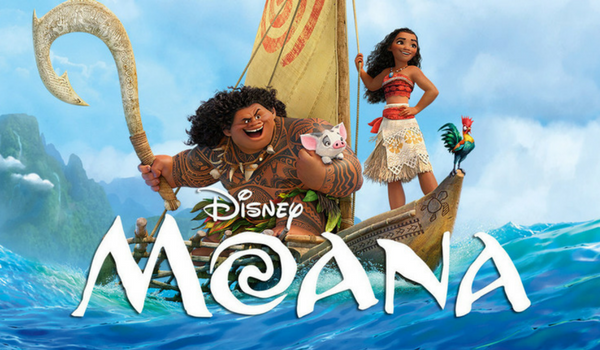
Image provided by Disney
In fundamentalism, when a child misbehaves, it is to be expected because every human child acts according to their sinful nature. They need to be saved, corrected, and brought under the authority of God. I am convinced this theological paradigm is harmful to children. How can any good parenting fruit come out of resigning our children to inevitable failure? If at the first glimpse of misbehavior, we say, “Aha! There it is. Sin. You’re showing your true colors,” we reinforce those behaviors. The consequence of such parenting is a lifetime of bearing shame for past mistakes, self-doubt, low self-esteem, and the most invisible consequence of not reaching a child’s potential. For how can a child practice their open-ended curiosity and imagination when they believe the root of their identity is evil?
But the challenge remains for Christian parents to gently guide our children as they make their mistakes, which is natural and normal in their development into adulthood.
I found my revelation while listening to the Moana soundtrack. It’s the song titled “Know Who You are,” and comes at the climactic end when Moana faces the goddess Te Fiti, a mythical being who is wreaking havoc in the region. A western, triumphalist, cowboy-saves-the-day ending would have Moana countering the angry goddess with greater power and kicking ass. But the surprising twist is that she confronts evil with lilting song.
“I have crossed the horizon to find you
I know your name
They have stolen the heart from inside you
But this does not define you
This is not who you are
I know who you are.”
And so it is, the Gospel according to Moana is not one where saving grace comes to rescue a wretched soul, but a song that empowers the other to live into their full potential.
It works. Te Fiti transforms from an angry, destructive force, into a beautiful, lush, green island that provides abundantly for everyone within her ecosystem.
Can we do this instead? When our children misbehaves, don’t heap shame upon them or tell them their behavior is a natural outworking from a sinful nature. Tell them they are more than their mistakes, that their faults and errors are not the totality of who they are. Affirm them of the goodness within them and call them into the fullness of who they are. This is unfundamentalist parenting, that we confront evil not with power, but with song. Words gently and lovingly serenaded into our children’s ears, “This is not who you are. I know who you are.”
It works. It will work. I think often Christian parents are afraid of not using harsher methods, believing in the lie that we will raise weak-willed, spoiled kids unless we demand submission or nip disobedience in the bud. But no, children who are respected and given autonomy to listen to their own voice and develop into their own unique selves become whole people who extend that dignity to others.
Remember what happens just before Moana approaches Te Fiti. She has an identity crisis after several setbacks in her mission to save her island. And through a vision, her grandmother affirms her and calls her to hear the “quiet voice still inside you.” Listen, Moana, she coaxes. Then comes the most powerful soliloquy of the whole movie, when Moana claims her own identity as,
the girl who know what she loves (her island and her sea),
who knows from whom she comes, (the daughter of the village chief, descended from voyagers),
who owns her past (I am everything I’ve learned and more),
but who knows where she is going, (come what may, I know the way, I AM MOANA!)
It was only when Moana found wholeness for herself that she was able to love others with courage and trust. Life begets life. A robust sense of self and identity isn’t selfish, it is the truest way to become the most selfless person.
This is the hard work we have to do, the healing work inside of our own selves. This claiming of our individuality grounded in our community, both historically and geographically; this inner work of forgiving our own past and forging onward; this is how we will arrive at meeting our children’s full humanity, not with a desire to control, but to set free.
And this is how, together with our children, we will find out how far we’ll go, traversing an ocean, expansive with adventure, healing, and hope.
Join us at Raising Children Unfundamentalist.
Previous Post

April 17, 2017
Breaking Five Unhealthy Friendship Habits from Fundamentalism
Next Post

April 21, 2017 Some Considerations Before Subscribing to Brio 2.0
Browse Our Archives
Select a Category Uncategorized
Select a Month November 2017 October 2017 September 2017 August 2017 July 2017 June 2017 May 2017 April 2017 March 2017 February 2017 January 2017 December 2016 November 2016 October 2016 September 2016 August 2016 July 2016 June 2016 May 2016 April 2016 March 2016 February 2016
Follow Us!
TAKE THE
Religious Wisdom Quiz
Which Christian denomination is known for wearing plain clothing and avoiding modern technology?
Select your answer to see how you score.
Baptists Lutherans Amish Presbyterians
Related posts from Unfundamentalist Parenting

When Your Christian Family is Not Perfect

6 Ways Fundamentalists Need to Grow up
How Children Rescue Us From Fundamentalism
No, John Piper, Kids Do Not Delight to...
TRENDING AT PATHEOS Progressive Christian

What Being a Modern-Day Apostle Means to Me
In my last column, I discussed the ins and outs of modern-day...

Did Ancient China Once Worship the God of...
Across human history, a common thread weaves through the origins of the...

Love Your Neighbor – Including Earth-Kin: Lev. 19,...
God’s command to love your neighbor means acting in an ethical and...

Lead a Church Study of “Jesus and Lao...
Guest writer Jack Thomas (The Irreverent Reverend) reflects on leading his church...

Pastoral Wisdom for Responding to Sermon Pushback
Getting sermon pushback on your social justice sermon? Learn practical, Proverbs-based strategies...

Principles for Understanding the Apostolic Ministry Today
Whenever people discover that my formal ministry title is "apostle," as in...
view all Progressive Christian blogs
Ad-Free & Subscriber Log-In Subscription Support
- About Us
- 2026 Calendar
- Videos
- Podcasts
- Library of World Religions
- Faith In Media Tracker
- Advertise With Us
- Write for Us
- Privacy Policy
- Terms of Service
- Do Not Sell My Data
- Contact Us
- Radiant Digital
- Manage Newsletter Subscriptions
- Unsubscribe From Notifications
- Sitemap
Copyright 2008-2026, Patheos. All rights reserved.
Subscription Support Ad-Free & Subscriber Log-In
Follow Patheos