
BuddhistCatholicContemplativeEvangelicalGeneral ChristianHinduJewishLatter-day SaintMuslimNew VisionsProgressive Christian
Beliefs
- Buddhist
- Catholic
- Contemplative
- Evangelical
- General Christian
- Hindu
- Jewish
- Latter-day Saint
- More Voices
- Muslim
- New Visions
- Pagan
- Progressive Christian
Topics
- Religion News
- Food and Religion
- Sports and Religion
- Religious Art
- Religious Music and Entertainment
- Religious Events
- History and Religion
- Style and Religion
- Politics and Religion
- Women in Religion
- Recreation Outdoors and Religion
- Business Finance and Religion
- Careers Workplace and Religion
- Education and Religion
- Family Parenting and Religion
- Health Fitness and Religion
- Home and Religion
- Relationships and Religion
- Technology and Religion
- Travel and Religion
Columnists
- Buddhist Columnists
- Business Finance and Religion Columnists
- Careers Workplace and Religion Columnists
- Catholic Columnists
- Contemplative Columnists
- Education and Religion Columnists
- Evangelists Columnists
- Family Parenting and Religion Columnists
- General Christian Columnists
- Health Fitness and Religion Columnists
- Hindu Columnists
- History and Religion Columnists
- Home and Religion Columnists
- Jewish Columnists
- More Voices Columnists
- Latter Day Columnists
- Muslim Columnists
- New Visions Columnists
- Nonreligious Columnists
- Pagan Columnists
- Politics and Religion Columnists
- Progressive Columnists
- Recreation Outdoors and Religion Columnists
- Relationships and Religion Columnists
- Religion News Columnists
- Religious Art Columnists
- Religious Events Columnists
- Religious Music and Entertainment Columnists
- Sports and Religion Columnists
- Style and Religion Columnists
- Technology and Religion Columnists
- Travel and Religion Columnists
- Women in Religion Columnists
Resource Library
- 2026 Calendar
- Library of World Religions
- The 100 Most Holy Places on Earth
- Patheos Answers
- Podcasts
- Videos
- Faith Leaders Database
- Anglican Episcopalian
- Bahai
- Baptist
- Buddhism
- Christianity
- Confucianism
- Eastern Orthodoxy
- Hinduism
- Holiness and Pentecostal
- ISKCON
- Islam
- Judaism
- Lutheran
- Methodist
- The Church of Jesus Christ of Latter-day Saints
- New Age
- Paganism
- Presbytarian and Reformed
- Protestantism
- Religion Behind the Scenes
- Roman Catholic
- Scientology
- Shia Islam
- Sikhism
- Sufism
- Sunni Islam
- Taoism
- Zen
- See all religions
Research Tools
 Ad-Free & Subscriber Log-In Subscription Support
Ad-Free & Subscriber Log-In Subscription Support
Follow Patheos 

- Trending:
- Forgiveness
- |
- Marriage
- |
- Consciousness
- |
- Death Penalty
- |
- Election
- |
- Halloween
 Unfundamentalist Parenting
- Home
- Progressive Christian
- Family, Parenting and Religion
- Three Reasons Why It’s Important to Raise Kids to be Activists
Three Reasons Why It’s Important to Raise Kids to be Activists
Last updated on: February 3, 2017 at 12:55 pm by Cindy Brandt
Three Reasons Why It’s Important to Raise Kids to be Activists 2017-02-03T12:55:53+08:00 Cindy Brandt
Patheos Explore the world's faith through different perspectives on religion and spirituality! Patheos has the views of the prevalent religions and spiritualities of the world.
‘Woke Baby’ easily takes home the award for one of the best signs at the Women’s March, holding up a sign filled with crayon squiggles while perched on her father’s shoulders. The image went viral as thousands found it delightful a baby as young as 22 months old could exercise her “unique” voice. But for those who are opposed to the cause, I imagine it’d be uncomfortable to see a child participating in the march, which brings up the question: should children be involved in the work of activism such as public protesting? Besides the logistical concerns of safety and meeting the physical needs of young children, is there a moral imperative to cultivating activism in children?
I believe there is, and here are three reasons why:
1. Wired for Struggle. Some objections parents may have of keeping children from protests would be the desire to shelter children from the complexities of systemic issues.
They are too young to understand!
We don’t need to frighten them with realities, instead, preserve their innocence and expose them later on.
The problems are too big, why discourage them by making them feel helpless?
But our children are not too young to know there is suffering in the world. Most babies make their grand entrance into our world with wails and tears. Toddlers throw tantrums and preschoolers stomp and shout. They are expressing in the ways they know how that the world pushes against their human limitations, and I think it is important that we validate their suffering and assure them they are wired for struggle. This is how we help create resilience in our children if we do not suppress or delay introducing suffering into their worldview. They can learn to engage with injustices from early on and begin collecting tools for how to respond most effectively to the suffering in their own lives and in the lives of those interconnected with them. Taking them out to protests or engaging in other forms of activism is sending a clear message to them that all is not right with the world. They already know it, let’s validate it.
2. The Power of Language. Just as we teach pre-verbal babies sign language to alleviate their frustrations in not being able to communicate their needs, so introducing language to express the realities of social issues can be tremendously empowering for our children. For example, the women’s march was many things, but part of it was protesting the crass attitude Trump has displayed towards women. Helping our daughters push back and reject that this is not okay will help them in other everyday situations when they encounter demeaning rhetoric against women and girls. This will help them process their own feelings when they experience dehumanization and objectification by misogyny. Without the power of language to pin point these injustices done to us, what often happens is we internalize those oppressions. Instead of pushing back, we even begin to spout the same dehumanizing rhetoric to harm others.
3. Collective and historical resistance. According to Kenneth Braswell, author of Daddy, There’s a Noise Outside, children have historically been a part of protests. Belonging to a community historically, locally, and globally is a powerful shaping force to bring a sense of purpose and belonging for the children. As I have written before, protest can be a great way for children to embark upon their heroic mission. Awareness of their own community and experiences is important but even more so, empowering them to create change and affect culture will be vital not just for their own well-being, but is also an investment for us to raise them into culture makers of the future.
Woke Baby is off to a great start in life. I am sure she is well cared for by loving parents, but as a little girl of color, she has parents who are invested in exposing her to the kinds of systemic injustice stacked against her in a society that struggles with misogyny and white supremacy. She will learn the language with which to process the marginalization of her humanity. She will know she is wired for that struggle, but empowered with a voice with which to demand the right to equal participation in civil society. At 22 months old, she’s already a mover and shaker and I hope she continues to challenge our world into more justice.
Join us at our Facebook Group Raising Children Unfundamentalist. Special shoutout to my amazing RCU family, who is out on the streets with their kiddos. All the images below are provided by them from the FB group:
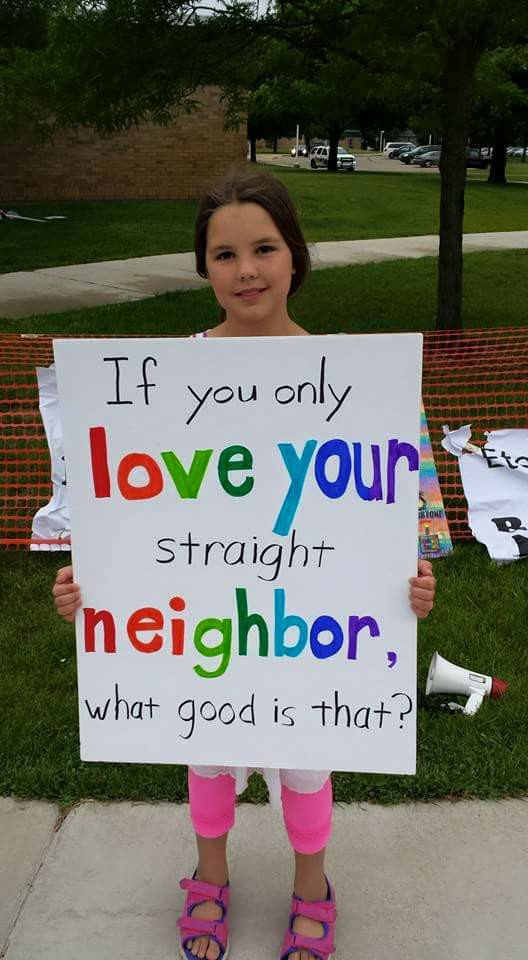
Image provided by parent: Levi Pike Boldt
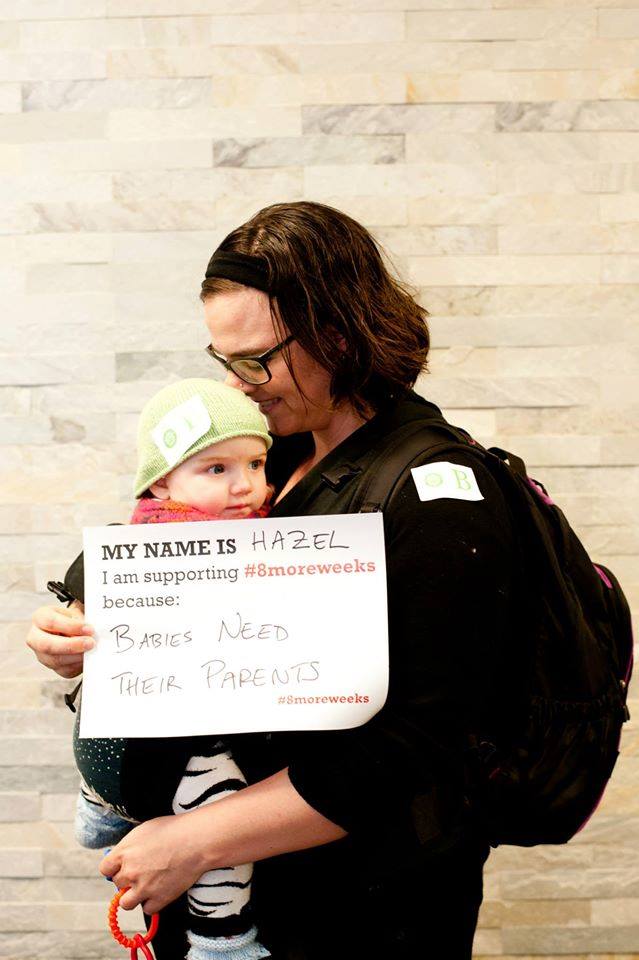
Image provided by parent: Thalia Kehoe Rowden
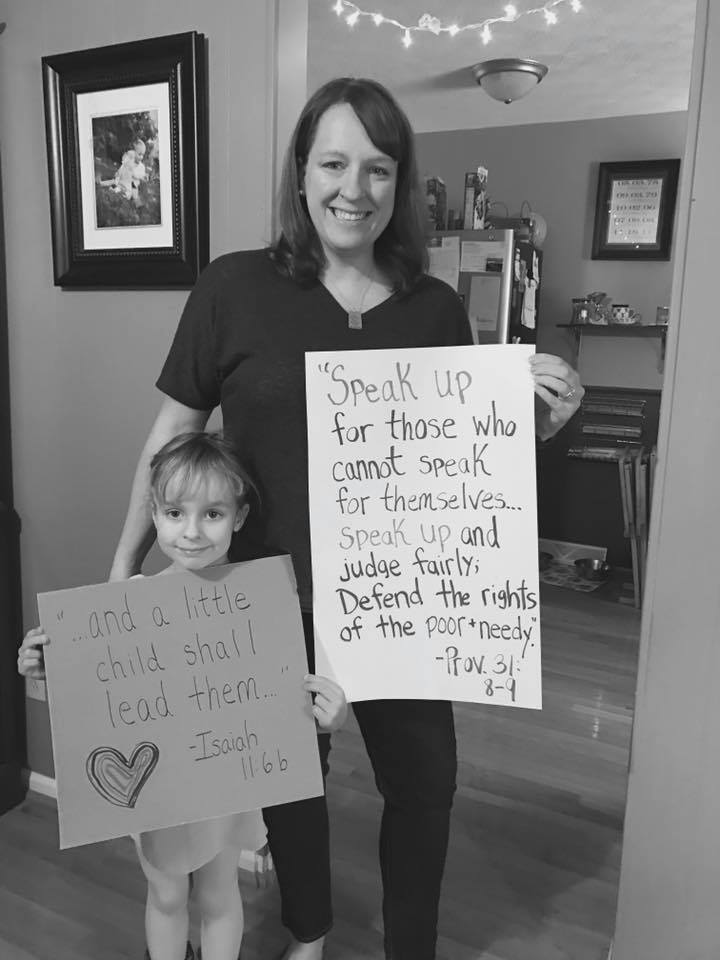
Image provided by parent: Sarah Boling
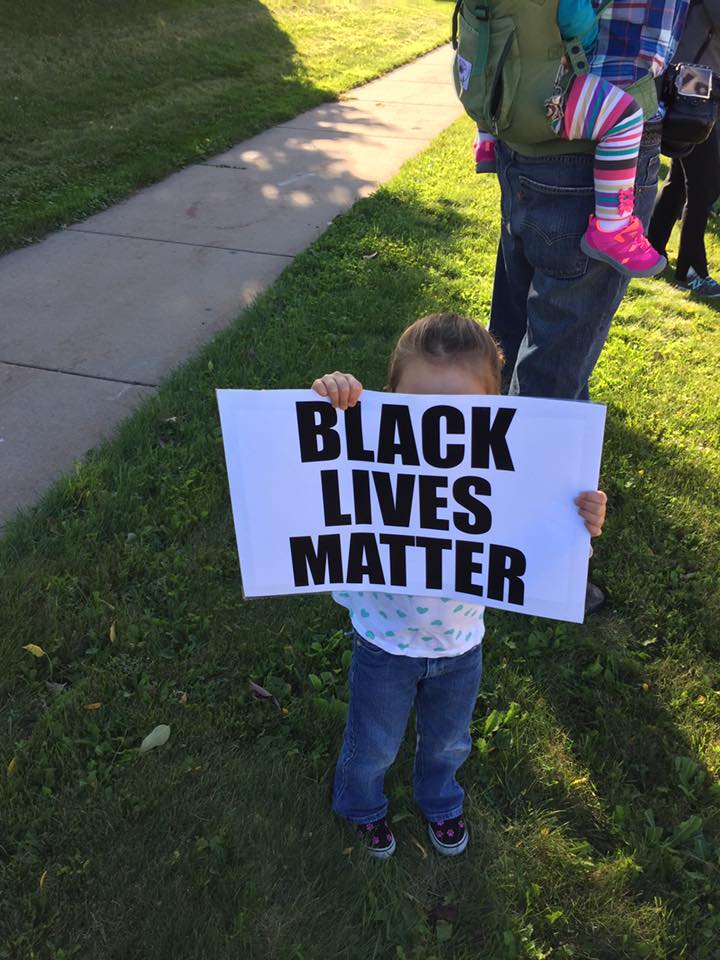
Image provided by parent: Carissa Wyland
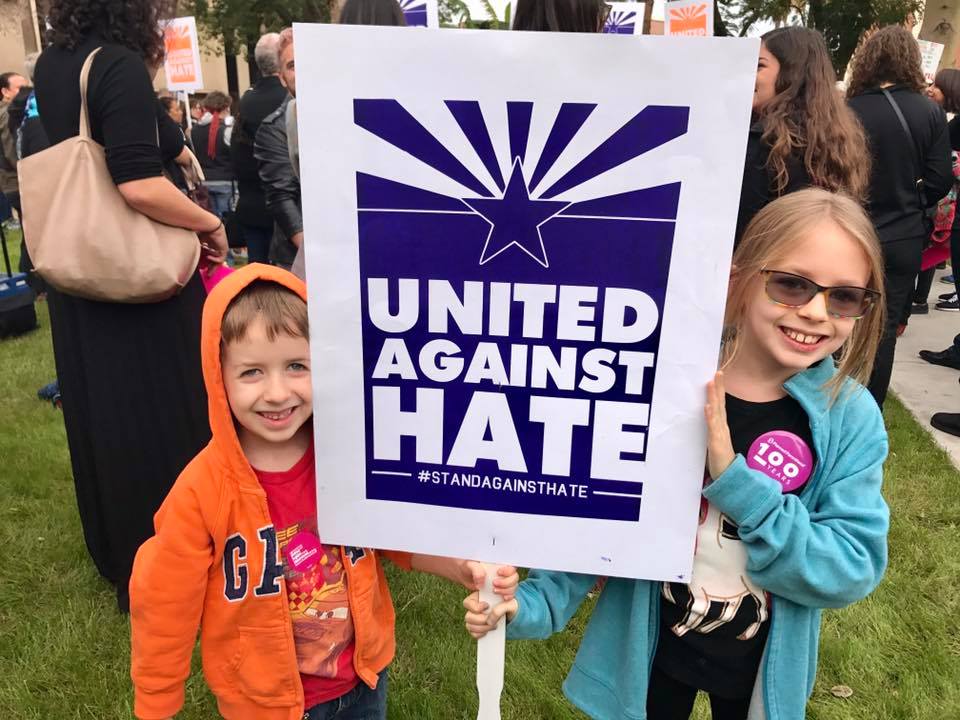
Image provided by parent: Alyssa Brooks-Dowty
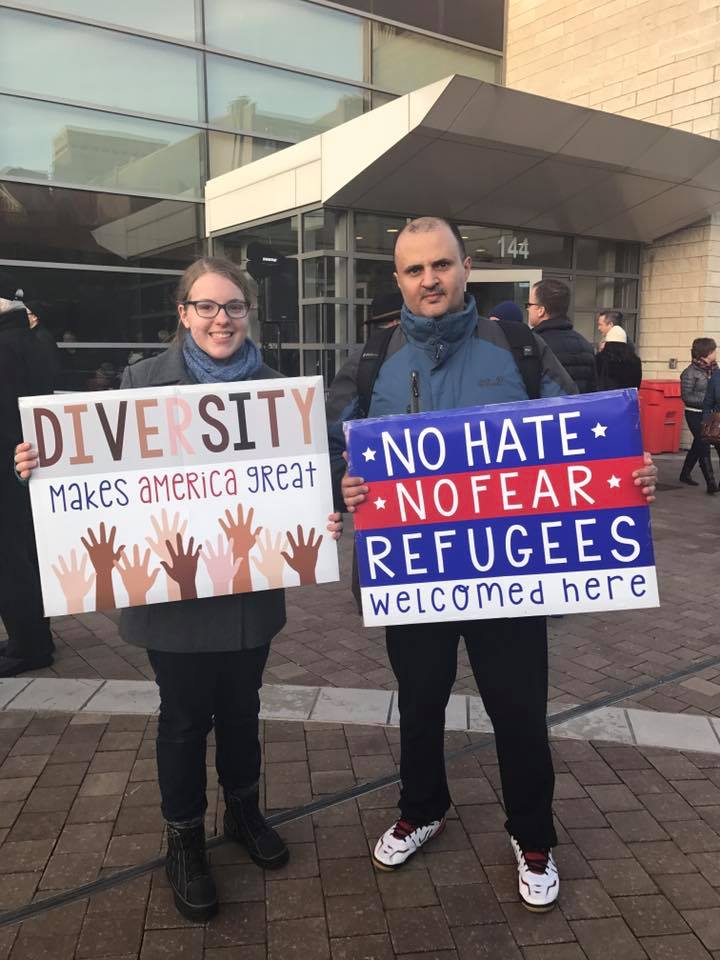
Image provided by parent: Kimberly Geswein
Previous Post
January 31, 2017
When God Made You by Matthew Paul Turner
Next Post

February 6, 2017 Using vs. Empowering Children as Activists
Browse Our Archives
Select a Category Uncategorized
Select a Month November 2017 October 2017 September 2017 August 2017 July 2017 June 2017 May 2017 April 2017 March 2017 February 2017 January 2017 December 2016 November 2016 October 2016 September 2016 August 2016 July 2016 June 2016 May 2016 April 2016 March 2016 February 2016
Follow Us!
TAKE THE
Religious Wisdom Quiz
What book comes directly after Lamentations?
Select your answer to see how you score.
Hosea Jeremiah Daniel Ezekiel
Related posts from Unfundamentalist Parenting

My Grandfather Was Racist, and I Loved Him

When Your Christian Family is Not Perfect
Contemplative Prayer with Kids
TRENDING AT PATHEOS Progressive Christian

What Being a Modern-Day Apostle Means to Me
In my last column, I discussed the ins and outs of modern-day...

Did Ancient China Once Worship the God of...
Across human history, a common thread weaves through the origins of the...

Love Your Neighbor – Including Earth-Kin: Lev. 19,...
God’s command to love your neighbor means acting in an ethical and...

Lead a Church Study of “Jesus and Lao...
Guest writer Jack Thomas (The Irreverent Reverend) reflects on leading his church...

Pastoral Wisdom for Responding to Sermon Pushback
Getting sermon pushback on your social justice sermon? Learn practical, Proverbs-based strategies...

Principles for Understanding the Apostolic Ministry Today
Whenever people discover that my formal ministry title is "apostle," as in...
view all Progressive Christian blogs
Ad-Free & Subscriber Log-In Subscription Support
- About Us
- 2026 Calendar
- Videos
- Podcasts
- Library of World Religions
- Faith In Media Tracker
- Advertise With Us
- Write for Us
- Privacy Policy
- Terms of Service
- Do Not Sell My Data
- Contact Us
- Radiant Digital
- Manage Newsletter Subscriptions
- Unsubscribe From Notifications
- Sitemap
Copyright 2008-2026, Patheos. All rights reserved.
Subscription Support Ad-Free & Subscriber Log-In
Follow Patheos