
BuddhistCatholicContemplativeEvangelicalGeneral ChristianHinduJewishLatter-day SaintMuslimNew VisionsProgressive Christian
Beliefs
- Buddhist
- Catholic
- Contemplative
- Evangelical
- General Christian
- Hindu
- Jewish
- Latter-day Saint
- More Voices
- Muslim
- New Visions
- Pagan
- Progressive Christian
Topics
- Religion News
- Food and Religion
- Sports and Religion
- Religious Art
- Religious Music and Entertainment
- Religious Events
- History and Religion
- Style and Religion
- Politics and Religion
- Women in Religion
- Recreation Outdoors and Religion
- Business Finance and Religion
- Careers Workplace and Religion
- Education and Religion
- Family Parenting and Religion
- Health Fitness and Religion
- Home and Religion
- Relationships and Religion
- Technology and Religion
- Travel and Religion
Columnists
- Buddhist Columnists
- Business Finance and Religion Columnists
- Careers Workplace and Religion Columnists
- Catholic Columnists
- Contemplative Columnists
- Education and Religion Columnists
- Evangelists Columnists
- Family Parenting and Religion Columnists
- General Christian Columnists
- Health Fitness and Religion Columnists
- Hindu Columnists
- History and Religion Columnists
- Home and Religion Columnists
- Jewish Columnists
- More Voices Columnists
- Latter Day Columnists
- Muslim Columnists
- New Visions Columnists
- Nonreligious Columnists
- Pagan Columnists
- Politics and Religion Columnists
- Progressive Columnists
- Recreation Outdoors and Religion Columnists
- Relationships and Religion Columnists
- Religion News Columnists
- Religious Art Columnists
- Religious Events Columnists
- Religious Music and Entertainment Columnists
- Sports and Religion Columnists
- Style and Religion Columnists
- Technology and Religion Columnists
- Travel and Religion Columnists
- Women in Religion Columnists
Resource Library
- 2026 Calendar
- Library of World Religions
- The 100 Most Holy Places on Earth
- Patheos Answers
- Podcasts
- Videos
- Faith Leaders Database
- Anglican Episcopalian
- Bahai
- Baptist
- Buddhism
- Christianity
- Confucianism
- Eastern Orthodoxy
- Hinduism
- Holiness and Pentecostal
- ISKCON
- Islam
- Judaism
- Lutheran
- Methodist
- The Church of Jesus Christ of Latter-day Saints
- New Age
- Paganism
- Presbytarian and Reformed
- Protestantism
- Religion Behind the Scenes
- Roman Catholic
- Scientology
- Shia Islam
- Sikhism
- Sufism
- Sunni Islam
- Taoism
- Zen
- See all religions
Research Tools
 Ad-Free & Subscriber Log-In Subscription Support
Ad-Free & Subscriber Log-In Subscription Support
Follow Patheos 

- Trending:
- Forgiveness
- |
- Marriage
- |
- Consciousness
- |
- Death Penalty
- |
- Election
- |
- Halloween
 Unfundamentalist Parenting
- Home
- Progressive Christian
- Family, Parenting and Religion
- False Equivalencies and Christian Living
False Equivalencies and Christian Living
Last updated on: September 1, 2016 at 9:17 pm by Caris Adel
False Equivalencies and Christian Living 2016-09-01T21:17:10+08:00 Caris Adel
Patheos Explore the world's faith through different perspectives on religion and spirituality! Patheos has the views of the prevalent religions and spiritualities of the world.
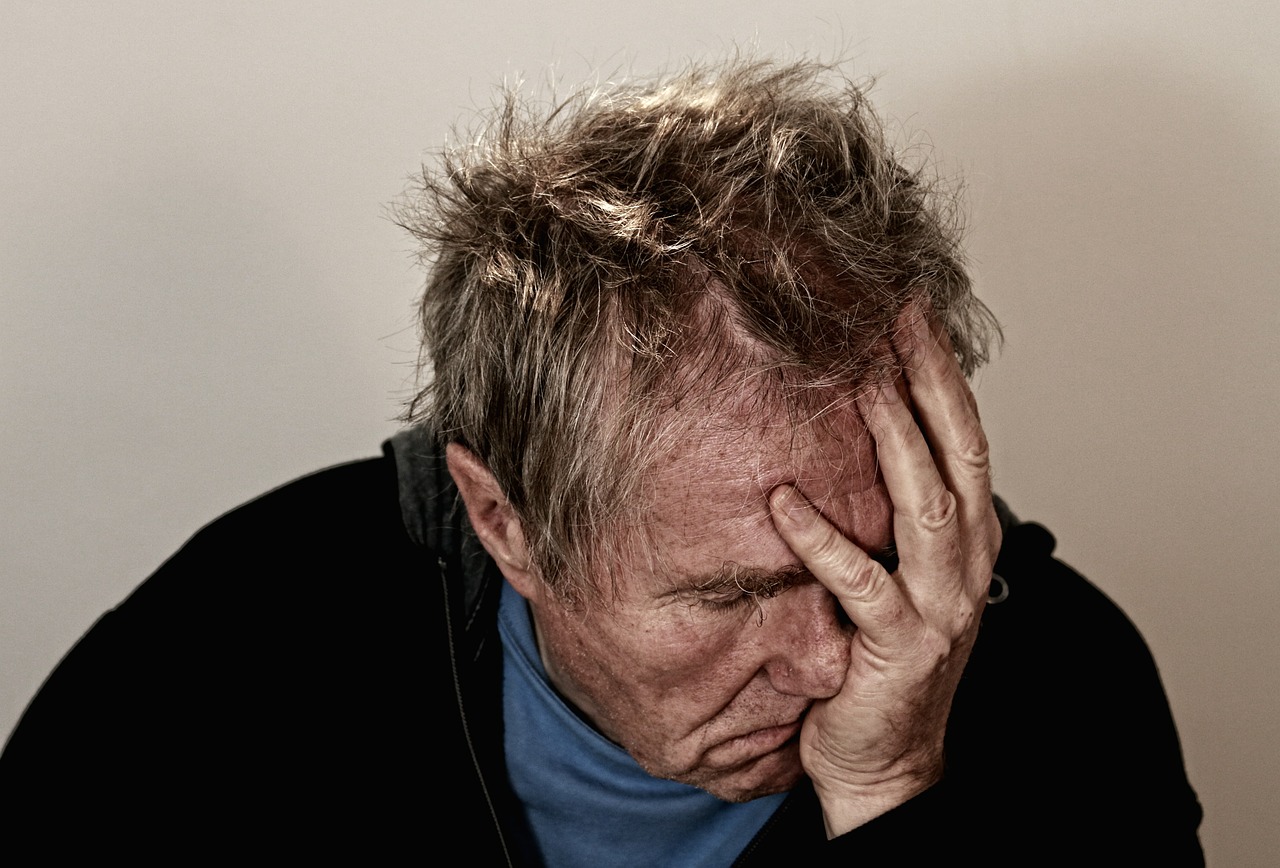
I have an estranged parent who was emotionally abusive to me growing up, and still is when they get the chance. I was talking to someone (a Christian) the other day about it and they said something along the lines of ‘we just need to reach out in love’, that that will heal the relationship; i.e. we both have to do our parts and meet halfway. Which means that we both have the same distance to walk – as if the damaged relationship has been broken equally.
But it hasn’t. And it makes me really angry when both sides are treated equally. It minimizes my pain and trauma and reduces the real obligation on the parent to get help. This kind of thinking distorts what abuse is, it ignores power differences, and acts as if all we need is to give a little more nuance to the situation. And when we say things like ‘there are 3 sides to every story’, all we are doing is flattening out injustice. It’s a way of naming the problem without holding anyone accountable, which of course, leaves no true way of fixing it.
Another term for this, which has started popping up in the news lately, is false equivalency. I’ve started seeing people write about this as it pertains to politics, talking about Donald Trump and Hillary Clinton not being equals. Because when you act as if they are, you act as if his obvious hate, bigotry, sexism, etc, are on the same moral level as her political mistakes. It normalizes his behavior.
But it isn’t normal – or at least, it shouldn’t be. Essentially trafficking women is not the same thing as mishandling email. When we conflate the two, how do we know where we should put our energy? Because there are people that need us to pick and choose our battles and places to take a stand. People who need us to decide what is right and wrong, what is healthy and unhealthy behavior. The pain inflicted by an oppressive person is not the same pain they feel when the victim sets boundaries or holds them accountable for their actions.
Growing up conservative did not give me the tools for this. I was taught that essentially, all sins were equal. Sure, murder might be worse than hating someone, but if you hate, you’re a murderer in your heart, so basically, same thing. Jesus said it, so it’s true, right? And it doesn’t really matter anyway, because whatever happens to you, the answer is always to forgive. And love. Because love keeps no record of wrongs. It always hopes. It never fails. So just love everyone. Because you know whatever mean thing they did, they didn’t really mean it. You have to look at their heart. Their intentions were good. Why are you making such a big deal about this anyways? Jesus said to be as gentle as a dove, so WHY AREN’T YOU BEING MORE GENTLE IN YOUR PAIN???
The church did not give me tools on how to handle and evaluate abuse. Or sexism, or racism, or anything else. There was no teaching on what it means to be powerful or powerless. No teaching on consent or the freedom and ability to say I don’t like this. Please don’t talk to me like that. No. There was no concept of boundaries and lines that shouldn’t be crossed.
Looking back, I can see the Christian adults in my life put up with so many things that they shouldn’t have. They didn’t have the tools to set boundaries on my parent when they became disruptive and oppressive in church life and friendships. They let my parent run our pastor out of town, for goodness’ sake. They were too gentle. Too ‘loving’.
It’s easy to see how that way of living crosses over into the political arena. Christians who are voting for Trump are putting up with statements and attitudes from a politician that are morally reprehensible. There are all sorts of reasons why white Christians make up such a large part of his base, but one of them I think has to do with this acceptance of false equivalency that seems to pervade Christian life.
We had a phone conversation the other day with a highly conservative Christian family member who said that voting for Hillary would be like voting for Bill 2.0. And we said yeah, but Trump is Hitler; we’ll take a Clinton over Hitler. And said family member, who agreed with that comparison, was *legitimately conflicted* over who they’re going to vote for.
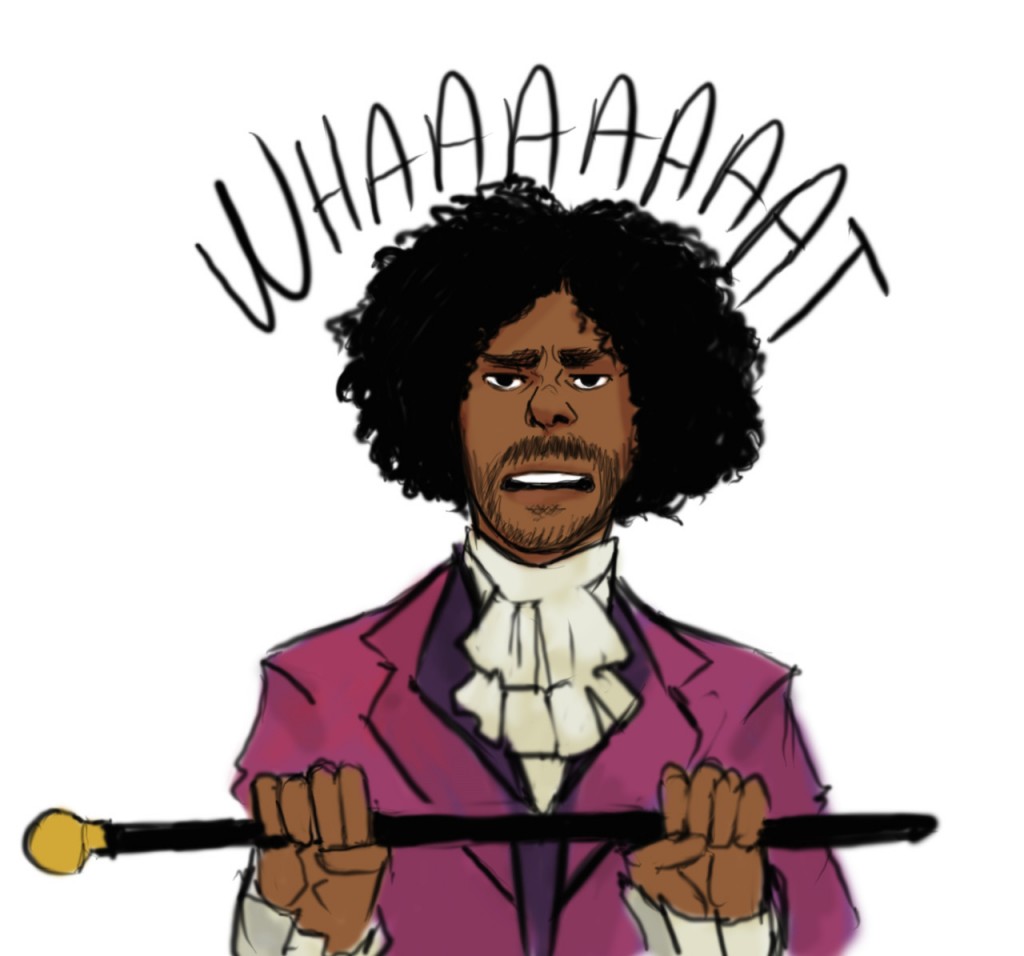
Artwork credit: Meglm
We need to know where our boundaries are. For ourselves, for our kids, and for our nation. And we need to practice enforcing them. Our kids are going to learn from what we do. And I hope they learn healthy ways of living. Because the last thing we need is for more people to be unable or unwilling to confront injustice.
Previous Post
August 30, 2016
Teaching Kids to Judge
Next Post
September 5, 2016 The Deadly Sin of Fundamentalism
Browse Our Archives
Select a Category Uncategorized
Select a Month November 2017 October 2017 September 2017 August 2017 July 2017 June 2017 May 2017 April 2017 March 2017 February 2017 January 2017 December 2016 November 2016 October 2016 September 2016 August 2016 July 2016 June 2016 May 2016 April 2016 March 2016 February 2016
Follow Us!
TAKE THE
Religious Wisdom Quiz
Jesus' earthly father, who was a carpenter, was named what?
Select your answer to see how you score.
Zechariah Joseph Jonathan Jacob
Related posts from Unfundamentalist Parenting

My Daughter Loves Jesus. Is That Okay?

Break the Cycle: Spiritual Abuse and the Conversion...

7 Spiritual Child Protection Policies

I’m Bad! Rewriting Fundamentalist Beliefs of Depravity
TRENDING AT PATHEOS Progressive Christian

What Being a Modern-Day Apostle Means to Me
In my last column, I discussed the ins and outs of modern-day...

Did Ancient China Once Worship the God of...
Across human history, a common thread weaves through the origins of the...

Love Your Neighbor – Including Earth-Kin: Lev. 19,...
God’s command to love your neighbor means acting in an ethical and...

Lead a Church Study of “Jesus and Lao...
Guest writer Jack Thomas (The Irreverent Reverend) reflects on leading his church...

Pastoral Wisdom for Responding to Sermon Pushback
Getting sermon pushback on your social justice sermon? Learn practical, Proverbs-based strategies...

Principles for Understanding the Apostolic Ministry Today
Whenever people discover that my formal ministry title is "apostle," as in...
view all Progressive Christian blogs
Ad-Free & Subscriber Log-In Subscription Support
- About Us
- 2026 Calendar
- Videos
- Podcasts
- Library of World Religions
- Faith In Media Tracker
- Advertise With Us
- Write for Us
- Privacy Policy
- Terms of Service
- Do Not Sell My Data
- Contact Us
- Radiant Digital
- Manage Newsletter Subscriptions
- Unsubscribe From Notifications
- Sitemap
Copyright 2008-2026, Patheos. All rights reserved.
Subscription Support Ad-Free & Subscriber Log-In
Follow Patheos