
BuddhistCatholicContemplativeEvangelicalGeneral ChristianHinduJewishLatter-day SaintMuslimNew VisionsProgressive Christian
Beliefs
- Buddhist
- Catholic
- Contemplative
- Evangelical
- General Christian
- Hindu
- Jewish
- Latter-day Saint
- More Voices
- Muslim
- New Visions
- Pagan
- Progressive Christian
Topics
- Religion News
- Food and Religion
- Sports and Religion
- Religious Art
- Religious Music and Entertainment
- Religious Events
- History and Religion
- Style and Religion
- Politics and Religion
- Women in Religion
- Recreation Outdoors and Religion
- Business Finance and Religion
- Careers Workplace and Religion
- Education and Religion
- Family Parenting and Religion
- Health Fitness and Religion
- Home and Religion
- Relationships and Religion
- Technology and Religion
- Travel and Religion
Columnists
- Buddhist Columnists
- Business Finance and Religion Columnists
- Careers Workplace and Religion Columnists
- Catholic Columnists
- Contemplative Columnists
- Education and Religion Columnists
- Evangelists Columnists
- Family Parenting and Religion Columnists
- General Christian Columnists
- Health Fitness and Religion Columnists
- Hindu Columnists
- History and Religion Columnists
- Home and Religion Columnists
- Jewish Columnists
- More Voices Columnists
- Latter Day Columnists
- Muslim Columnists
- New Visions Columnists
- Nonreligious Columnists
- Pagan Columnists
- Politics and Religion Columnists
- Progressive Columnists
- Recreation Outdoors and Religion Columnists
- Relationships and Religion Columnists
- Religion News Columnists
- Religious Art Columnists
- Religious Events Columnists
- Religious Music and Entertainment Columnists
- Sports and Religion Columnists
- Style and Religion Columnists
- Technology and Religion Columnists
- Travel and Religion Columnists
- Women in Religion Columnists
Resource Library
- 2026 Calendar
- Library of World Religions
- The 100 Most Holy Places on Earth
- Patheos Answers
- Podcasts
- Videos
- Faith Leaders Database
- Anglican Episcopalian
- Bahai
- Baptist
- Buddhism
- Christianity
- Confucianism
- Eastern Orthodoxy
- Hinduism
- Holiness and Pentecostal
- ISKCON
- Islam
- Judaism
- Lutheran
- Methodist
- The Church of Jesus Christ of Latter-day Saints
- New Age
- Paganism
- Presbytarian and Reformed
- Protestantism
- Religion Behind the Scenes
- Roman Catholic
- Scientology
- Shia Islam
- Sikhism
- Sufism
- Sunni Islam
- Taoism
- Zen
- See all religions
Research Tools
 Ad-Free & Subscriber Log-In Subscription Support
Ad-Free & Subscriber Log-In Subscription Support
Follow Patheos 

- Trending:
- Forgiveness
- |
- Marriage
- |
- Consciousness
- |
- Death Penalty
- |
- Election
- |
- Halloween
 Unequally Yoked
- Home
- Catholic
- Concussion Tests and a Voting Mess [538]
Concussion Tests and a Voting Mess [538]
Last updated on: May 31, 2015 at 10:36 am by Leah Libresco
Concussion Tests and a Voting Mess [538] 2015-05-31T10:36:33-04:00 Leah Libresco
Patheos Explore the world's faith through different perspectives on religion and spirituality! Patheos has the views of the prevalent religions and spiritualities of the world.
Here’s the roundup of what I’ve been working on at FiveThirtyEight over the last week:
The ‘One Person, One Vote’ Case Relies On Statistics That Nobody Has
The plaintiffs are challenging the usual method (counting total number of people living in a district) and are asking that states use the total number of eligible voters instead. The trouble is, we don’t have robust statistics on the number of eligible voters. If the Supreme Court were to set new standards for districting, we would need to overhaul the nation’s statistics and surveys.
I was kind of surprised, once I started digging in, that we don’t have these numbers — just a series of fiddly approximations that probably don’t match our standards for election law. Even the more exhaustive attempts to figure out how many eligible voters there are throw up their hands at a certain point:
In a 2001 paper in the American Political Science Review, Michael McDonald and Samuel Popkin suggested two other possible factors to consider when estimating the total number of eligible voters. First, some states have residency requirements that might make people who have recently moved ineligible. Second, citizens can lose their voting rights if they are ruled mentally incompetent. McDonald and Popkin thought both of these factors were more trouble than they were worth to model: The researchers estimated that only 1 percent of the voting-age population failed to meet residency requirements and that only 0.1 percent were mentally incompetent to vote.
If the Supreme Court requires eligible voter estimates for districting, they may need to rule on whether McDonald and Popkin were right to exclude those groups — and on a host of other methodological questions — as the states scramble to commission constitutionally compatible surveys.
You can read the whole thing at FiveThirtyEight, and, if you like, you can head there by way of SCOTUSblog, which linked to my piece!
Then I wound up covering sports, through the lens of epidemiology:
We Don’t Know How Well The NBA’s Concussion Tests Work
So, if the tests are pretty accurate, why wasn’t Thompson identified as possibly concussed until after the game?
It’s hard to say, especially without information on the NBA-specific protocols, but sometimes tests are less accurate in real life than they are in a trial. Or a concussed player could just be unlucky; 5 percent or so pass a screening test in error.
If Thompson hadn’t mentioned that he felt ill, questions might not have been raised about whether the test failed. Players are a check on the test, but they may not feel free to speak up if they’re passed in error.
And here’s a little bonus paragraph that didn’t really belong in the article (since the NBA does use baseline tests in their concussion protocols), but I was just interested personally in how well the tests did when you didn’t have a pre-concussion result to compare to:
Both the SCAT and the CCAT are best when administered as a before-and-after test, letting doctors compare the player’s post-injury score to a baseline from the beginning of the season. If a baseline isn’t available, both tests are a lot weaker. The SCAT sensitivity drops to 83% and the CCAT to 69%, making both much more likely to miss concussions.
And, if you’re wondering where you get concussable people to run tests on (the answer is not that the scientists thwak them on the head)… most of the studies I read for this piece were done on rugby players. Now there’s a grim warning about a sport — “Number one choice of scientists who need concussion victims!”
Previous Post
May 26, 2015
Letting Prayer Lead from Self to Other
Next Post
June 3, 2015 Good Fights, Like Good Friendships, Are A Long-Term Promise
Browse Our Archives
Select a Category 7 Quick Takes Apologetics Atheism Book Conversion Debate Tactics Debates Epistemology/Philosophy Housekeeping Ideological Turing Test Marriage Morality in Practice Parsing Catholicism Possibly Heretical Radio Reviews/Recommendations Sequence Index Spiritual Practice Uncategorized
Select a Month April 2017 March 2017 January 2017 December 2016 September 2016 August 2016 July 2016 June 2016 May 2016 April 2016 March 2016 February 2016 January 2016 December 2015 November 2015 October 2015 September 2015 August 2015 July 2015 June 2015 May 2015 April 2015 March 2015 February 2015 January 2015 December 2014 November 2014 October 2014 September 2014 August 2014 July 2014 June 2014 May 2014 April 2014 March 2014 February 2014 January 2014 December 2013 November 2013 October 2013 September 2013 August 2013 July 2013 June 2013 May 2013 April 2013 March 2013 February 2013 January 2013 December 2012 November 2012 October 2012 September 2012 August 2012 July 2012 June 2012 May 2012 April 2012 March 2012 February 2012 January 2012 December 2011 November 2011 October 2011 September 2011 August 2011 July 2011 June 2011 May 2011 April 2011 March 2011 February 2011 January 2011 December 2010 November 2010 October 2010 September 2010 August 2010 July 2010 June 2010
Follow Us!
TAKE THE
Religious Wisdom Quiz
What disaster did Joseph predict would happen to Egypt?
Select your answer to see how you score.
Great fire Flood Plague of locusts Seven-year famine
Related posts from Unequally Yoked
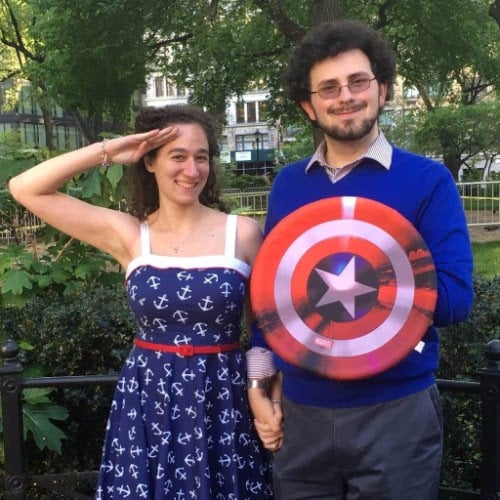
I'm keynoting at a Con for Christian nerds!
How do you throw a fasting and silence...
Lenten disciplines draw on our weakness, not our...
I'm speaking about my conversion in Denver!
TRENDING AT PATHEOS Catholic

Creation, Preservation, and Teleology in Catholic Theology
As I write this, it is very early Monday morning. Like millions...

The Parable Of The Sower And The Word...
One of Christ’s most famous parables is that of the sower who...

Rejecting Doom: Christian Hope And Human Action
Christianity is a religion of hope. We are to have hope and...

Why I Choose the Eucharist Over the Sermon
Choose the Eucharist, Not the Sermon What are we supposed to get...

5 Design Elements Found in Spiritually Rooted Homes
Putting Spirituality Into Home Decor Our homes are more than our living...

Credo: A Story of God Told with the...
About 10 years ago, I began to imagine a personal "Credo" that...
view all Catholic blogs
Ad-Free & Subscriber Log-In Subscription Support
- About Us
- 2026 Calendar
- Videos
- Podcasts
- Library of World Religions
- Faith In Media Tracker
- Advertise With Us
- Write for Us
- Privacy Policy
- Terms of Service
- Do Not Sell My Data
- Contact Us
- Radiant Digital
- Manage Newsletter Subscriptions
- Unsubscribe From Notifications
- Sitemap
Copyright 2008-2026, Patheos. All rights reserved.
Subscription Support Ad-Free & Subscriber Log-In
Follow Patheos