
BuddhistCatholicContemplativeEvangelicalGeneral ChristianHinduJewishLatter-day SaintMuslimNew VisionsProgressive Christian
Beliefs
- Buddhist
- Catholic
- Contemplative
- Evangelical
- General Christian
- Hindu
- Jewish
- Latter-day Saint
- More Voices
- Muslim
- New Visions
- Pagan
- Progressive Christian
Topics
- Religion News
- Food and Religion
- Sports and Religion
- Religious Art
- Religious Music and Entertainment
- Religious Events
- History and Religion
- Style and Religion
- Politics and Religion
- Women in Religion
- Recreation Outdoors and Religion
- Business Finance and Religion
- Careers Workplace and Religion
- Education and Religion
- Family Parenting and Religion
- Health Fitness and Religion
- Home and Religion
- Relationships and Religion
- Technology and Religion
- Travel and Religion
Columnists
- Buddhist Columnists
- Business Finance and Religion Columnists
- Careers Workplace and Religion Columnists
- Catholic Columnists
- Contemplative Columnists
- Education and Religion Columnists
- Evangelists Columnists
- Family Parenting and Religion Columnists
- General Christian Columnists
- Health Fitness and Religion Columnists
- Hindu Columnists
- History and Religion Columnists
- Home and Religion Columnists
- Jewish Columnists
- More Voices Columnists
- Latter Day Columnists
- Muslim Columnists
- New Visions Columnists
- Nonreligious Columnists
- Pagan Columnists
- Politics and Religion Columnists
- Progressive Columnists
- Recreation Outdoors and Religion Columnists
- Relationships and Religion Columnists
- Religion News Columnists
- Religious Art Columnists
- Religious Events Columnists
- Religious Music and Entertainment Columnists
- Sports and Religion Columnists
- Style and Religion Columnists
- Technology and Religion Columnists
- Travel and Religion Columnists
- Women in Religion Columnists
Resource Library
- 2026 Calendar
- Library of World Religions
- The 100 Most Holy Places on Earth
- Patheos Answers
- Podcasts
- Videos
- Faith Leaders Database
- Anglican Episcopalian
- Bahai
- Baptist
- Buddhism
- Christianity
- Confucianism
- Eastern Orthodoxy
- Hinduism
- Holiness and Pentecostal
- ISKCON
- Islam
- Judaism
- Lutheran
- Methodist
- The Church of Jesus Christ of Latter-day Saints
- New Age
- Paganism
- Presbytarian and Reformed
- Protestantism
- Religion Behind the Scenes
- Roman Catholic
- Scientology
- Shia Islam
- Sikhism
- Sufism
- Sunni Islam
- Taoism
- Zen
- See all religions
Research Tools
 Ad-Free & Subscriber Log-In Subscription Support
Ad-Free & Subscriber Log-In Subscription Support
Follow Patheos 

- Trending:
- Forgiveness
- |
- Marriage
- |
- Consciousness
- |
- Death Penalty
- |
- Election
- |
- Halloween
 Unequally Yoked
- Home
- Catholic
- Choosing a Prudent (not a ‘Tough’) Advent Fast
Choosing a Prudent (not a ‘Tough’) Advent Fast
Last updated on: December 1, 2014 at 12:37 pm by Leah Libresco
Choosing a Prudent (not a ‘Tough’) Advent Fast 2014-12-01T12:37:01-05:00 Leah Libresco
Patheos Explore the world's faith through different perspectives on religion and spirituality! Patheos has the views of the prevalent religions and spiritualities of the world.
In 2014, I’m reading and blogging through Pope Francis/Cardinal Bergoglio’s Open Mind, Faithful Heart: Reflections on Following Jesus. Every Monday, I’ll be writing about the next meditation in the book, so you’re welcome to peruse them all and/or read along.
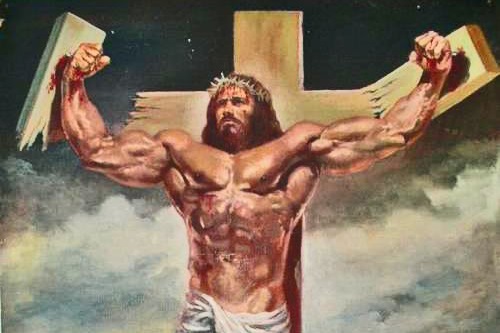
NOT an example of fortitude
In this week’s reading, Pope Francis’s discussion of Christ’s preparation for death nicely parallels Joseph Pieper’s chapter on Fortitude in The Four Cardinal Virtues.
Here’s Francis:
Jesus took his death seriously, as he did his life. Annointed by the Spirit, he was able to discern the signs of the time and was therefore perfectly aware that his “hour” would soon come (cf John 2:4; 7:30; 13:1; Matt 26:45). Paradoxically, however, we find that Jesus at times “hid himself” to escape public notice and persecution (cf. John 7:1; 8:59). Jesus was no coward, but neither was he suicidal He was hiding from the police, from the assassins, from his enemies, because his hour had still not arrived. The thought of death distressed him (John 12:27), but he accepted the divine will; he left everything in the hands of his Father. He knew that he was going to die, but he did not hand himself over recklessly.
And here’s Pieper:
If the specific character of fortitude consists in suffering injuries in the battle for the realization of the good, then the brave man must first know what the good is, and he must be brave for the sake of the good. “It is for the sake of the good that the brave man exposes himself to the danger of death.” “In overcoming danger, fortitude seeks not danger itself, but the realization of rational good.” “To take death upon oneself is not itself praiseworthy, but solely because of its subordination to good.” It is not the injury that matters primarily, but the realization of the good.
Therefore fortitude, though it puts man to the severest test, is not the first and greatest of the virtues. For neither difficulty nor effort causes virtue, but the good alone.
It’s customary for many Catholics to fast or engage in some other kind of penitential practice during Advent (which began yesterday). And, for me at least, it’s tempting to use difficulty as my guide to what would be a good discipline for Advent. After all, penitential preparation is about doing something hard right? And mortifying my will?
But, as Pope Francis and Pieper remind me, I’m not exercising my will simply for the sake of making it stronger along any dimension. I’m trying to reshape it and order it to the good. I could commit to running for a half-hour every day (I’m definitely not) or taking up a restrictive fast, and either of those practices would be difficult and intrusive (and the running would actually be pretty good for me), but neither does much to educate my will and build up my prudence.
As Pieper explains, prudence isn’t simple pragmatism, it’s accurate knowledge of/understanding of the world as it actually is. It’s the prerequisite to bravery, since our bravery is only good insofar as it’s rightly applied.
So, in lieu of choosing an Advent practice for the sake of being taxing, I’ve chosen a discipline (I’ll tell you about it tomorrow) that will be pretty invisible if I’m doing it well, is a bit challenging (though not physically), and (hopefully) will educate my conscience in ways that will last past this season.
In the meantime, have any of you taken up specific disciplines for Advent?
How did you choose?
Previous Post
November 25, 2014
"Safety" is a Piss-Poor Pitch for Chastity
Next Post
December 2, 2014 Avoiding Glib Grace-Notes in Advent
Browse Our Archives
Select a Category 7 Quick Takes Apologetics Atheism Book Conversion Debate Tactics Debates Epistemology/Philosophy Housekeeping Ideological Turing Test Marriage Morality in Practice Parsing Catholicism Possibly Heretical Radio Reviews/Recommendations Sequence Index Spiritual Practice Uncategorized
Select a Month April 2017 March 2017 January 2017 December 2016 September 2016 August 2016 July 2016 June 2016 May 2016 April 2016 March 2016 February 2016 January 2016 December 2015 November 2015 October 2015 September 2015 August 2015 July 2015 June 2015 May 2015 April 2015 March 2015 February 2015 January 2015 December 2014 November 2014 October 2014 September 2014 August 2014 July 2014 June 2014 May 2014 April 2014 March 2014 February 2014 January 2014 December 2013 November 2013 October 2013 September 2013 August 2013 July 2013 June 2013 May 2013 April 2013 March 2013 February 2013 January 2013 December 2012 November 2012 October 2012 September 2012 August 2012 July 2012 June 2012 May 2012 April 2012 March 2012 February 2012 January 2012 December 2011 November 2011 October 2011 September 2011 August 2011 July 2011 June 2011 May 2011 April 2011 March 2011 February 2011 January 2011 December 2010 November 2010 October 2010 September 2010 August 2010 July 2010 June 2010
Follow Us!
TAKE THE
Religious Wisdom Quiz
What did Jesus do just before raising Lazarus from the dead?
Select your answer to see how you score.
He wept He prayed He preached He climbed a hill
Related posts from Unequally Yoked

Starving Laypeople of Devotion in Church

Aunt Alberta And Being Right (but the boring...

The Virtues of Sad Songs (a piece for...

The (Extra) Mercy of My Conversion
TRENDING AT PATHEOS Catholic

Rejecting Doom: Christian Hope And Human Action
Christianity is a religion of hope. We are to have hope and...

It’s What Comes From Within Which Matters
One of the most difficult things for us to understand is why...

Why I Choose the Eucharist Over the Sermon
Choose the Eucharist, Not the Sermon What are we supposed to get...

5 Design Elements Found in Spiritually Rooted Homes
Putting Spirituality Into Home Decor Our homes are more than our living...

Credo: A Story of God Told with the...
About 10 years ago, I began to imagine a personal "Credo" that...

The Anatomy of Divine Revelation in Catholic Thought
The claim that God has made Himself known to human beings is...
view all Catholic blogs
Ad-Free & Subscriber Log-In Subscription Support
- About Us
- 2026 Calendar
- Videos
- Podcasts
- Library of World Religions
- Faith In Media Tracker
- Advertise With Us
- Write for Us
- Privacy Policy
- Terms of Service
- Do Not Sell My Data
- Contact Us
- Radiant Digital
- Manage Newsletter Subscriptions
- Unsubscribe From Notifications
- Sitemap
Copyright 2008-2026, Patheos. All rights reserved.
Subscription Support Ad-Free & Subscriber Log-In
Follow Patheos