
BuddhistCatholicContemplativeEvangelicalGeneral ChristianHinduJewishLatter-day SaintMuslimNew VisionsProgressive Christian
Beliefs
- Buddhist
- Catholic
- Contemplative
- Evangelical
- General Christian
- Hindu
- Jewish
- Latter-day Saint
- More Voices
- Muslim
- New Visions
- Pagan
- Progressive Christian
Topics
- Religion News
- Food and Religion
- Sports and Religion
- Religious Art
- Religious Music and Entertainment
- Religious Events
- History and Religion
- Style and Religion
- Politics and Religion
- Women in Religion
- Recreation Outdoors and Religion
- Business Finance and Religion
- Careers Workplace and Religion
- Education and Religion
- Family Parenting and Religion
- Health Fitness and Religion
- Home and Religion
- Relationships and Religion
- Technology and Religion
- Travel and Religion
Columnists
- Buddhist Columnists
- Business Finance and Religion Columnists
- Careers Workplace and Religion Columnists
- Catholic Columnists
- Contemplative Columnists
- Education and Religion Columnists
- Evangelists Columnists
- Family Parenting and Religion Columnists
- General Christian Columnists
- Health Fitness and Religion Columnists
- Hindu Columnists
- History and Religion Columnists
- Home and Religion Columnists
- Jewish Columnists
- More Voices Columnists
- Latter Day Columnists
- Muslim Columnists
- New Visions Columnists
- Nonreligious Columnists
- Pagan Columnists
- Politics and Religion Columnists
- Progressive Columnists
- Recreation Outdoors and Religion Columnists
- Relationships and Religion Columnists
- Religion News Columnists
- Religious Art Columnists
- Religious Events Columnists
- Religious Music and Entertainment Columnists
- Sports and Religion Columnists
- Style and Religion Columnists
- Technology and Religion Columnists
- Travel and Religion Columnists
- Women in Religion Columnists
Resource Library
- 2026 Calendar
- Library of World Religions
- The 100 Most Holy Places on Earth
- Patheos Answers
- Podcasts
- Videos
- Faith Leaders Database
- Anglican Episcopalian
- Bahai
- Baptist
- Buddhism
- Christianity
- Confucianism
- Eastern Orthodoxy
- Hinduism
- Holiness and Pentecostal
- ISKCON
- Islam
- Judaism
- Lutheran
- Methodist
- The Church of Jesus Christ of Latter-day Saints
- New Age
- Paganism
- Presbytarian and Reformed
- Protestantism
- Religion Behind the Scenes
- Roman Catholic
- Scientology
- Shia Islam
- Sikhism
- Sufism
- Sunni Islam
- Taoism
- Zen
- See all religions
Research Tools
 Ad-Free & Subscriber Log-In Subscription Support
Ad-Free & Subscriber Log-In Subscription Support
Follow Patheos 

- Trending:
- Forgiveness
- |
- Marriage
- |
- Consciousness
- |
- Death Penalty
- |
- Election
- |
- Halloween
 Unequally Yoked
- Home
- Catholic
- Falling in Love with the World through the Eyes of the Beloved
Falling in Love with the World through the Eyes of the Beloved
Last updated on: November 11, 2014 at 1:43 pm by Leah Libresco
Falling in Love with the World through the Eyes of the Beloved 2014-11-11T13:43:38-05:00 Leah Libresco
Patheos Explore the world's faith through different perspectives on religion and spirituality! Patheos has the views of the prevalent religions and spiritualities of the world.

There’s an interesting piece of research going around on what makes relationships grow and deepen (versus fracture and wound). John Gottman and Robert Levenson (the “Love Lab” researchers) were looking for the smallest kind of observational data that let them (fairly) reliably distinguish good relationships from bad. Here’s what they found had the most power to predict the success of a marriage over its first six years:
Throughout the day, artners would make requests for connection, what Gottman calls “bids.” For example, say that the husband is a bird enthusiast and notices a goldfinch fly across the yard. He might say to his wife, “Look at that beautiful bird outside!” He’s not just commenting on the bird here: he’s requesting a response from his wife — a sign of interest or support — hoping they’ll connect, however momentarily, over the bird.
The wife now has a choice. She can respond by either “turning toward” or “turning away” from her husband, as Gottman puts it. Though the bird-bid might seem minor and silly, it can actually reveal a lot about the health of the relationship. The husband thought the bird was important enough to bring it up in conversation and the question is whether his wife recognizes and respects that.
People who turned toward their partners in the study responded by engaging the bidder, showing interest and support in the bid. Those who didn’t — those who turned away — would not respond or respond minimally and continue doing whatever they were doing, like watching TV or reading the paper. Sometimes they would respond with overt hostility, saying something like, “Stop interrupting me, I’m reading.”
These bidding interactions had profound effects on marital well-being. Couples who had divorced after a six-year follow up had “turn-toward bids” 33 percent of the time. Only three in ten of their bids for emotional connection were met with intimacy. The couples who were still together after six years had “turn-toward bids” 87 percent of the time. Nine times out of ten, they were meeting their partner’s emotional needs.
I didn’t read the methodology, so I don’t want to comment on the validity of the experimental design. But I did think, reading it, that it seemed fairly intuitive that “turn-toward bids” is a good disposition to cultivate, in marriage and elsewhere. Making it easy for your partner to share delight amplifies delight (and helps you to know them better, by having their loves arrayed before you).
I make a lot of bids in a relationship. Both the boyfriends I’ve had tended to get (and sometimes still get) a lot of emails/fb posts/etc from me of articles, pictures, etc that I thought they would enjoy or that I simply enjoyed too much to keep to myself. And that tendency isn’t limited to romantic relationships — my parents get a lot of links from me (the most recent being this — they’re history teachers) and I like to be a clipping service for some of my friends.
Even before receiving the “turn-toward” response to a bid, simply being on the lookout for things to share makes the whole world more wonderful to my sight. I have the expectation that the things I encounter often belong with someone and that it’s a pleasure to be an intellectual yenta and make the connection. It’s even more delightful to be able to unite over a shared interest or to have my attention drawn to some topic’s beauty because I brought it to the attention of someone who loves it and then they went on to gush in my presence.
Last night, I was attending a Christopolis talk by Sr. Anna Wray, OP, of the Nashville Dominicans, who gave us a beautiful meditation of gratitude, and ways to welcome gifts. Sharing a relationship (whether marital or otherwise) where you are constantly alive to the gifts the world offers to your beloved seems like it would stoke our sensitivity to gifts and gratitude generally.
The partners frequently passing back and forth “Did you read?” “Did you see?” (in the sense of “Were you struck by?” “Did you delight in?”, not the competitiveness of this Portlandia sketch) are changing their default approach to the world. They expect to find wonder and beauty, and for its enchantedness to be both good in itself but also a way of saying “I love you” to a partner, and, perhaps, of hearing those same three words from God.
Previous Post

November 10, 2014
Standing Naked Before God [Pope Francis Bookclub]
Next Post

November 12, 2014 Interviewing Eve Tushnet on Vocations of Love
Browse Our Archives
Select a Category 7 Quick Takes Apologetics Atheism Book Conversion Debate Tactics Debates Epistemology/Philosophy Housekeeping Ideological Turing Test Marriage Morality in Practice Parsing Catholicism Possibly Heretical Radio Reviews/Recommendations Sequence Index Spiritual Practice Uncategorized
Select a Month April 2017 March 2017 January 2017 December 2016 September 2016 August 2016 July 2016 June 2016 May 2016 April 2016 March 2016 February 2016 January 2016 December 2015 November 2015 October 2015 September 2015 August 2015 July 2015 June 2015 May 2015 April 2015 March 2015 February 2015 January 2015 December 2014 November 2014 October 2014 September 2014 August 2014 July 2014 June 2014 May 2014 April 2014 March 2014 February 2014 January 2014 December 2013 November 2013 October 2013 September 2013 August 2013 July 2013 June 2013 May 2013 April 2013 March 2013 February 2013 January 2013 December 2012 November 2012 October 2012 September 2012 August 2012 July 2012 June 2012 May 2012 April 2012 March 2012 February 2012 January 2012 December 2011 November 2011 October 2011 September 2011 August 2011 July 2011 June 2011 May 2011 April 2011 March 2011 February 2011 January 2011 December 2010 November 2010 October 2010 September 2010 August 2010 July 2010 June 2010
Follow Us!
TAKE THE
Religious Wisdom Quiz
How old was Abraham when he died?
Select your answer to see how you score.
150 years 125 years 175 years 200 years
Related posts from Unequally Yoked

Beyoncé's "Lemonade" And The Fertility Of Forgiveness
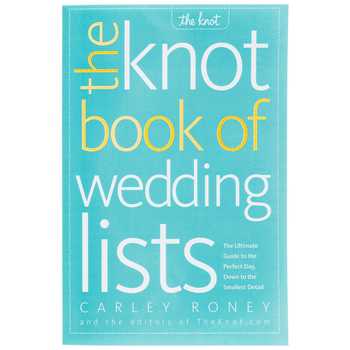
When a Wedding Guide Leaves Out The Wedding...

A Good Marriage Isn't A Mutual Admiration Society

Can't I Love You Into Being Happy?
TRENDING AT PATHEOS Catholic

Creation, Preservation, and Teleology in Catholic Theology
As I write this, it is very early Monday morning. Like millions...

The Parable Of The Sower And The Word...
One of Christ’s most famous parables is that of the sower who...

Rejecting Doom: Christian Hope And Human Action
Christianity is a religion of hope. We are to have hope and...

Why I Choose the Eucharist Over the Sermon
Choose the Eucharist, Not the Sermon What are we supposed to get...

5 Design Elements Found in Spiritually Rooted Homes
Putting Spirituality Into Home Decor Our homes are more than our living...

Credo: A Story of God Told with the...
About 10 years ago, I began to imagine a personal "Credo" that...
view all Catholic blogs
Ad-Free & Subscriber Log-In Subscription Support
- About Us
- 2026 Calendar
- Videos
- Podcasts
- Library of World Religions
- Faith In Media Tracker
- Advertise With Us
- Write for Us
- Privacy Policy
- Terms of Service
- Do Not Sell My Data
- Contact Us
- Radiant Digital
- Manage Newsletter Subscriptions
- Unsubscribe From Notifications
- Sitemap
Copyright 2008-2026, Patheos. All rights reserved.
Subscription Support Ad-Free & Subscriber Log-In
Follow Patheos