
BuddhistCatholicContemplativeEvangelicalGeneral ChristianHinduJewishLatter-day SaintMuslimNew VisionsProgressive Christian
Beliefs
- Buddhist
- Catholic
- Contemplative
- Evangelical
- General Christian
- Hindu
- Jewish
- Latter-day Saint
- More Voices
- Muslim
- New Visions
- Pagan
- Progressive Christian
Topics
- Religion News
- Food and Religion
- Sports and Religion
- Religious Art
- Religious Music and Entertainment
- Religious Events
- History and Religion
- Style and Religion
- Politics and Religion
- Women in Religion
- Recreation Outdoors and Religion
- Business Finance and Religion
- Careers Workplace and Religion
- Education and Religion
- Family Parenting and Religion
- Health Fitness and Religion
- Home and Religion
- Relationships and Religion
- Technology and Religion
- Travel and Religion
Columnists
- Buddhist Columnists
- Business Finance and Religion Columnists
- Careers Workplace and Religion Columnists
- Catholic Columnists
- Contemplative Columnists
- Education and Religion Columnists
- Evangelists Columnists
- Family Parenting and Religion Columnists
- General Christian Columnists
- Health Fitness and Religion Columnists
- Hindu Columnists
- History and Religion Columnists
- Home and Religion Columnists
- Jewish Columnists
- More Voices Columnists
- Latter Day Columnists
- Muslim Columnists
- New Visions Columnists
- Nonreligious Columnists
- Pagan Columnists
- Politics and Religion Columnists
- Progressive Columnists
- Recreation Outdoors and Religion Columnists
- Relationships and Religion Columnists
- Religion News Columnists
- Religious Art Columnists
- Religious Events Columnists
- Religious Music and Entertainment Columnists
- Sports and Religion Columnists
- Style and Religion Columnists
- Technology and Religion Columnists
- Travel and Religion Columnists
- Women in Religion Columnists
Resource Library
- 2026 Calendar
- Library of World Religions
- The 100 Most Holy Places on Earth
- Patheos Answers
- Podcasts
- Videos
- Faith Leaders Database
- Anglican Episcopalian
- Bahai
- Baptist
- Buddhism
- Christianity
- Confucianism
- Eastern Orthodoxy
- Hinduism
- Holiness and Pentecostal
- ISKCON
- Islam
- Judaism
- Lutheran
- Methodist
- The Church of Jesus Christ of Latter-day Saints
- New Age
- Paganism
- Presbytarian and Reformed
- Protestantism
- Religion Behind the Scenes
- Roman Catholic
- Scientology
- Shia Islam
- Sikhism
- Sufism
- Sunni Islam
- Taoism
- Zen
- See all religions
Research Tools
 Ad-Free & Subscriber Log-In Subscription Support
Ad-Free & Subscriber Log-In Subscription Support
Follow Patheos 

- Trending:
- Forgiveness
- |
- Marriage
- |
- Consciousness
- |
- Death Penalty
- |
- Election
- |
- Halloween
 Unequally Yoked
- Home
- Catholic
- Writing Relationships into a Corner
Writing Relationships into a Corner
Last updated on: October 2, 2014 at 12:41 pm by Leah Libresco
Writing Relationships into a Corner 2014-10-02T12:41:31-04:00 Leah Libresco
Patheos Explore the world's faith through different perspectives on religion and spirituality! Patheos has the views of the prevalent religions and spiritualities of the world.

From Dresden Codak’s tutorial on character design
Earlier this week, I was chatting with a friend about A.O. Scott’s big piece on storytelling and the death of adulthood. Scott discusses the tendency of male heroes to “light out for the Territory,” escaping the feminized world of social expectations and perhaps a specific female person (be it mother or maiden). While Huck stepped outside of society in order to critique it, men in modern stories, Scott claims, tend to be rebels in retreat; they’ve traded in Jim’s raft for the stoner’s couch.
I’ve love to return to some of the main thesmes of Scott’s essay in another post, but, for today, I want to just focus on one question: what drives the anagonistic, pushmi-pullyu nature of many fictional relationships, whether romantic or not? I think there’s another structural factor besides the need for conflict to progress plot.
The kinds of stories we tell limit the kind of romances and coming of ages that we can write. On an ensemble tv show, with a regular cast of characters, each new character is expected to add something to the group. Maybe, on a thriller, it’s a new skill (lockpicking, translation, etc), or on a comedy, some new tic or gag (Wesley’s propensity to be aggrieved/concussed), and, on any show, the new character is usually brought on to refract some fact about the main character or the ensemble to date, to bring it into better focus.
That means there’s very little duplication of character traits on a tightly written show. If a line could have easily come out of the mouth of several of your characters, you probably have too many characters or a very dull scriptwriter. Couldn’t you save some money by having either characters, writers (or both!) eaten by Olvikan in your finale?
But economy of writing means that, when it comes time to pair off your secondary characters, you’ll have to arrange a marriage of opposites, since anyone who’s too similar to your existing cast has already been shot, transferred, or simply sent out to a parking lot from which she never returned. Each of your characters either needs someone new, written just for them, or will wind up with someone else who’s been carefully written to avoid too much overlap.
Thus, we wind up with more characters who are united by a shared mission (like destroying Horcruxes) rather than a shared disposition that they bring to this mission and other, more quotidian ones (like raising children). When we drink in these models, we’re in danger of generalizing incorrectly from fictional evidence–in our own lives, there’s no Pauli Personality Exclusion Principle that prevents sufficiently similar people from existing in the same settings. If most of the friendships and romances we consume are about carefully differentiated characters, though, we may try to hard to match with people who fit this model (or just expect the arc of our relationships to resemble theirs).
I’d be curious what fictional examples come to mind when you think of partnerships (romantic or not), in which the dyad supported each other by being similar. The first pair my friend and I came up with were (rot13’d) Senax naq Pynver Haqrejbbq sebz Ubhfr bs Pneqf. Who can you think of?
Previous Post

October 1, 2014
Economizing Not to Save but to Spend *Differently*
Next Post

October 3, 2014 7QT: Surprises, Subterfuge, and 200 lbs of LARPing Meat
Browse Our Archives
Select a Category 7 Quick Takes Apologetics Atheism Book Conversion Debate Tactics Debates Epistemology/Philosophy Housekeeping Ideological Turing Test Marriage Morality in Practice Parsing Catholicism Possibly Heretical Radio Reviews/Recommendations Sequence Index Spiritual Practice Uncategorized
Select a Month April 2017 March 2017 January 2017 December 2016 September 2016 August 2016 July 2016 June 2016 May 2016 April 2016 March 2016 February 2016 January 2016 December 2015 November 2015 October 2015 September 2015 August 2015 July 2015 June 2015 May 2015 April 2015 March 2015 February 2015 January 2015 December 2014 November 2014 October 2014 September 2014 August 2014 July 2014 June 2014 May 2014 April 2014 March 2014 February 2014 January 2014 December 2013 November 2013 October 2013 September 2013 August 2013 July 2013 June 2013 May 2013 April 2013 March 2013 February 2013 January 2013 December 2012 November 2012 October 2012 September 2012 August 2012 July 2012 June 2012 May 2012 April 2012 March 2012 February 2012 January 2012 December 2011 November 2011 October 2011 September 2011 August 2011 July 2011 June 2011 May 2011 April 2011 March 2011 February 2011 January 2011 December 2010 November 2010 October 2010 September 2010 August 2010 July 2010 June 2010
Follow Us!
TAKE THE
Religious Wisdom Quiz
I went uninvited before the king, risking death, saying 'If I perish, I perish.' Who am I?
Select your answer to see how you score.
Deborah Vashti Esther Ruth
Related posts from Unequally Yoked

Beyoncé's "Lemonade" And The Fertility Of Forgiveness
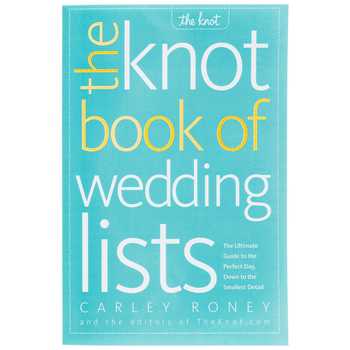
When a Wedding Guide Leaves Out The Wedding...

A Good Marriage Isn't A Mutual Admiration Society

Can't I Love You Into Being Happy?
TRENDING AT PATHEOS Catholic

Rejecting Doom: Christian Hope And Human Action
Christianity is a religion of hope. We are to have hope and...

It’s What Comes From Within Which Matters
One of the most difficult things for us to understand is why...

Why I Choose the Eucharist Over the Sermon
Choose the Eucharist, Not the Sermon What are we supposed to get...

5 Design Elements Found in Spiritually Rooted Homes
Putting Spirituality Into Home Decor Our homes are more than our living...

Credo: A Story of God Told with the...
About 10 years ago, I began to imagine a personal "Credo" that...

The Anatomy of Divine Revelation in Catholic Thought
The claim that God has made Himself known to human beings is...
view all Catholic blogs
Ad-Free & Subscriber Log-In Subscription Support
- About Us
- 2026 Calendar
- Videos
- Podcasts
- Library of World Religions
- Faith In Media Tracker
- Advertise With Us
- Write for Us
- Privacy Policy
- Terms of Service
- Do Not Sell My Data
- Contact Us
- Radiant Digital
- Manage Newsletter Subscriptions
- Unsubscribe From Notifications
- Sitemap
Copyright 2008-2026, Patheos. All rights reserved.
Subscription Support Ad-Free & Subscriber Log-In
Follow Patheos