
BuddhistCatholicContemplativeEvangelicalGeneral ChristianHinduJewishLatter-day SaintMuslimNew VisionsProgressive Christian
Beliefs
- Buddhist
- Catholic
- Contemplative
- Evangelical
- General Christian
- Hindu
- Jewish
- Latter-day Saint
- More Voices
- Muslim
- New Visions
- Pagan
- Progressive Christian
Topics
- Religion News
- Food and Religion
- Sports and Religion
- Religious Art
- Religious Music and Entertainment
- Religious Events
- History and Religion
- Style and Religion
- Politics and Religion
- Women in Religion
- Recreation Outdoors and Religion
- Business Finance and Religion
- Careers Workplace and Religion
- Education and Religion
- Family Parenting and Religion
- Health Fitness and Religion
- Home and Religion
- Relationships and Religion
- Technology and Religion
- Travel and Religion
Columnists
- Buddhist Columnists
- Business Finance and Religion Columnists
- Careers Workplace and Religion Columnists
- Catholic Columnists
- Contemplative Columnists
- Education and Religion Columnists
- Evangelists Columnists
- Family Parenting and Religion Columnists
- General Christian Columnists
- Health Fitness and Religion Columnists
- Hindu Columnists
- History and Religion Columnists
- Home and Religion Columnists
- Jewish Columnists
- More Voices Columnists
- Latter Day Columnists
- Muslim Columnists
- New Visions Columnists
- Nonreligious Columnists
- Pagan Columnists
- Politics and Religion Columnists
- Progressive Columnists
- Recreation Outdoors and Religion Columnists
- Relationships and Religion Columnists
- Religion News Columnists
- Religious Art Columnists
- Religious Events Columnists
- Religious Music and Entertainment Columnists
- Sports and Religion Columnists
- Style and Religion Columnists
- Technology and Religion Columnists
- Travel and Religion Columnists
- Women in Religion Columnists
Resource Library
- 2026 Calendar
- Library of World Religions
- The 100 Most Holy Places on Earth
- Patheos Answers
- Podcasts
- Videos
- Faith Leaders Database
- Anglican Episcopalian
- Bahai
- Baptist
- Buddhism
- Christianity
- Confucianism
- Eastern Orthodoxy
- Hinduism
- Holiness and Pentecostal
- ISKCON
- Islam
- Judaism
- Lutheran
- Methodist
- The Church of Jesus Christ of Latter-day Saints
- New Age
- Paganism
- Presbytarian and Reformed
- Protestantism
- Religion Behind the Scenes
- Roman Catholic
- Scientology
- Shia Islam
- Sikhism
- Sufism
- Sunni Islam
- Taoism
- Zen
- See all religions
Research Tools
 Ad-Free & Subscriber Log-In Subscription Support
Ad-Free & Subscriber Log-In Subscription Support
Follow Patheos 

- Trending:
- Forgiveness
- |
- Marriage
- |
- Consciousness
- |
- Death Penalty
- |
- Election
- |
- Halloween
 Unequally Yoked
- Home
- Catholic
- Parallel Meltdowns at Burger King
Parallel Meltdowns at Burger King
Last updated on: August 12, 2014 at 11:47 am by Leah Libresco
Parallel Meltdowns at Burger King 2014-08-12T11:47:33-04:00 Leah Libresco
Patheos Explore the world's faith through different perspectives on religion and spirituality! Patheos has the views of the prevalent religions and spiritualities of the world.
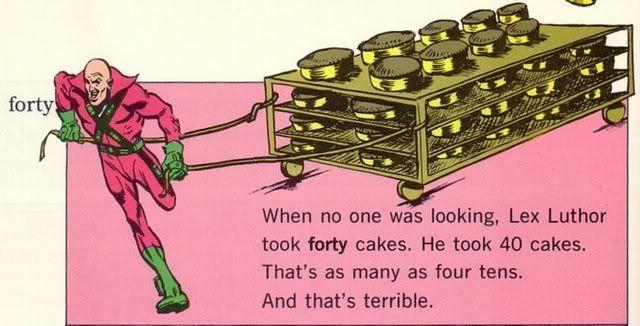
There’s been a (possibly apocryphal) story flying around the interblags about a confrontation between a man and a child. In the anecdote, the man is waiting in a long line at a Burger King and becomes more and more frustrated with the tantrum-throwing child in line behind him, who kept shrieking for an apple pie.
So, when he finally got to the front of the line, the man bought all of the apple pie snacks in stock, and lingered to watch the meltdown when the mother and kid found out that there was nothing left for her child.
I have no idea if the story (originally sourced from Reddit) is true, but I’ve seen way more approving reactions on my social media feeds than I’d like.
I think the man with all the pies was frustrated, couldn’t do anything to relieve his frustration, and then acted out. Just like the child he punished.
I don’t mean to belittle the guy by saying he hit a breaking point. Telling people that being exhausted or reaching your limits is childish is bad for children and adults. It encourages us to hide our need and our weakness until we can’t, instead of asking for help earlier and avoiding a meltdown.
It also implies that lashing out is always an act of incompetence that should be shamed, rather than evidence of a need for love and compassion.
The trouble is, it’s quite hard to think through all those points in the moment of frustration. It’s a good idea to practice pausing, thinking, and reframing in less emotionally intense situations, so you have past experience and insights to draw on, when you start to go off the rails.
Recently, when I was travelling on Amtrak, I was waiting in line for coffee next to a guy about my age. From the waiting area, we could hear a small child start crying noisily.
“Jeez, I really hope that kid doesn’t get on my car,” said my linemate. I told him that, on net, I’d really prefer to sit near the kid, as babies and toddlers seldom scream for the whole trip, and I find the fun of peekaboo or just hearing a small child get excited about being on a train outweighs the screaming for me.
He gave a kind of ‘Better you than me’ shrug and said, “I just think kids that age really shouldn’t be out, when they can’t behave themselves.”
“Well, I think the unintended consequence of that is that then their parents (especially mothers) are under house arrest for a couple years. If they’re going to go out at all, their kids will wind up getting upset around other people some of the time. It’d be one thing if people lived in more active neighborhoods, where you could see a lot of other adults and families during the day on your block, but, think about a modern suburb — you’d wind up not seeing any other adults beyond your spouse. It’d be so lonely.”
“Huh,” the guy said. “Yeah, that would suck. I guess it’s not so bad.”

My coffee buddy wasn’t being deliberately spiteful or impatient. He wasn’t even trying to take revenge against the noisy baby. But, because he wasn’t thinking about the knock on effects of his wish that the baby would just go away, he was willing a world that would be pretty terrible for parents — a world he didn’t endorse, when he paused to think about it.
The xkcd above has the alt text: “You can look at practically any part of anything manmade around you and think ‘some engineer was frustrated while designing this.’ It’s a little human connection.” And that connection is available to us for more frustrations than just the mechanical ones.
Pausing to think, “What’s hard about this situation for my antagonist?” means we have to think of the irritant as a person, whose pain can and should be ameliorated. Sometimes relieving their stress lessens our own, since they’re a little freer to be patient with us, but I just find it helpful to remember that my current problem isn’t maliciously targeted at me.
Previous Post

August 11, 2014
Happy Churches are All Alike [Pope Francis Bookclub]
Next Post

August 13, 2014 Not A Gotcha God
Browse Our Archives
Select a Category 7 Quick Takes Apologetics Atheism Book Conversion Debate Tactics Debates Epistemology/Philosophy Housekeeping Ideological Turing Test Marriage Morality in Practice Parsing Catholicism Possibly Heretical Radio Reviews/Recommendations Sequence Index Spiritual Practice Uncategorized
Select a Month April 2017 March 2017 January 2017 December 2016 September 2016 August 2016 July 2016 June 2016 May 2016 April 2016 March 2016 February 2016 January 2016 December 2015 November 2015 October 2015 September 2015 August 2015 July 2015 June 2015 May 2015 April 2015 March 2015 February 2015 January 2015 December 2014 November 2014 October 2014 September 2014 August 2014 July 2014 June 2014 May 2014 April 2014 March 2014 February 2014 January 2014 December 2013 November 2013 October 2013 September 2013 August 2013 July 2013 June 2013 May 2013 April 2013 March 2013 February 2013 January 2013 December 2012 November 2012 October 2012 September 2012 August 2012 July 2012 June 2012 May 2012 April 2012 March 2012 February 2012 January 2012 December 2011 November 2011 October 2011 September 2011 August 2011 July 2011 June 2011 May 2011 April 2011 March 2011 February 2011 January 2011 December 2010 November 2010 October 2010 September 2010 August 2010 July 2010 June 2010
Follow Us!
TAKE THE
Religious Wisdom Quiz
Which Old Testament prophet predicted the suffering of the Messiah?
Select your answer to see how you score.
Micah Ezekiel Jeremiah Isaiah
Related posts from Unequally Yoked

The Tony-Winning Guide To Temptation And Grace

Hedgehogs of Redemption and the Comedy of Grace

Mercy, Justice, and How To Tell The Difference

Pinning down *which* error is made in this...
TRENDING AT PATHEOS Catholic

The Parable Of The Sower And The Word...
One of Christ’s most famous parables is that of the sower who...

Rejecting Doom: Christian Hope And Human Action
Christianity is a religion of hope. We are to have hope and...

Why I Choose the Eucharist Over the Sermon
Choose the Eucharist, Not the Sermon What are we supposed to get...

5 Design Elements Found in Spiritually Rooted Homes
Putting Spirituality Into Home Decor Our homes are more than our living...

Credo: A Story of God Told with the...
About 10 years ago, I began to imagine a personal "Credo" that...

The Anatomy of Divine Revelation in Catholic Thought
The claim that God has made Himself known to human beings is...
view all Catholic blogs
Ad-Free & Subscriber Log-In Subscription Support
- About Us
- 2026 Calendar
- Videos
- Podcasts
- Library of World Religions
- Faith In Media Tracker
- Advertise With Us
- Write for Us
- Privacy Policy
- Terms of Service
- Do Not Sell My Data
- Contact Us
- Radiant Digital
- Manage Newsletter Subscriptions
- Unsubscribe From Notifications
- Sitemap
Copyright 2008-2026, Patheos. All rights reserved.
Subscription Support Ad-Free & Subscriber Log-In
Follow Patheos