
BuddhistCatholicContemplativeEvangelicalGeneral ChristianHinduJewishLatter-day SaintMuslimNew VisionsProgressive Christian
Beliefs
- Buddhist
- Catholic
- Contemplative
- Evangelical
- General Christian
- Hindu
- Jewish
- Latter-day Saint
- More Voices
- Muslim
- New Visions
- Pagan
- Progressive Christian
Topics
- Religion News
- Food and Religion
- Sports and Religion
- Religious Art
- Religious Music and Entertainment
- Religious Events
- History and Religion
- Style and Religion
- Politics and Religion
- Women in Religion
- Recreation Outdoors and Religion
- Business Finance and Religion
- Careers Workplace and Religion
- Education and Religion
- Family Parenting and Religion
- Health Fitness and Religion
- Home and Religion
- Relationships and Religion
- Technology and Religion
- Travel and Religion
Columnists
- Buddhist Columnists
- Business Finance and Religion Columnists
- Careers Workplace and Religion Columnists
- Catholic Columnists
- Contemplative Columnists
- Education and Religion Columnists
- Evangelists Columnists
- Family Parenting and Religion Columnists
- General Christian Columnists
- Health Fitness and Religion Columnists
- Hindu Columnists
- History and Religion Columnists
- Home and Religion Columnists
- Jewish Columnists
- More Voices Columnists
- Latter Day Columnists
- Muslim Columnists
- New Visions Columnists
- Nonreligious Columnists
- Pagan Columnists
- Politics and Religion Columnists
- Progressive Columnists
- Recreation Outdoors and Religion Columnists
- Relationships and Religion Columnists
- Religion News Columnists
- Religious Art Columnists
- Religious Events Columnists
- Religious Music and Entertainment Columnists
- Sports and Religion Columnists
- Style and Religion Columnists
- Technology and Religion Columnists
- Travel and Religion Columnists
- Women in Religion Columnists
Resource Library
- 2026 Calendar
- Library of World Religions
- The 100 Most Holy Places on Earth
- Patheos Answers
- Podcasts
- Videos
- Faith Leaders Database
- Anglican Episcopalian
- Bahai
- Baptist
- Buddhism
- Christianity
- Confucianism
- Eastern Orthodoxy
- Hinduism
- Holiness and Pentecostal
- ISKCON
- Islam
- Judaism
- Lutheran
- Methodist
- The Church of Jesus Christ of Latter-day Saints
- New Age
- Paganism
- Presbytarian and Reformed
- Protestantism
- Religion Behind the Scenes
- Roman Catholic
- Scientology
- Shia Islam
- Sikhism
- Sufism
- Sunni Islam
- Taoism
- Zen
- See all religions
Research Tools
 Ad-Free & Subscriber Log-In Subscription Support
Ad-Free & Subscriber Log-In Subscription Support
Follow Patheos 

- Trending:
- Forgiveness
- |
- Marriage
- |
- Consciousness
- |
- Death Penalty
- |
- Election
- |
- Halloween
 Unequally Yoked
- Home
- Catholic
- What “Normal Stress” Conceals
What “Normal Stress” Conceals
Last updated on: April 10, 2014 at 2:52 pm by Leah Libresco
What “Normal Stress” Conceals 2014-04-10T14:52:02-04:00 Leah Libresco
Patheos Explore the world's faith through different perspectives on religion and spirituality! Patheos has the views of the prevalent religions and spiritualities of the world.
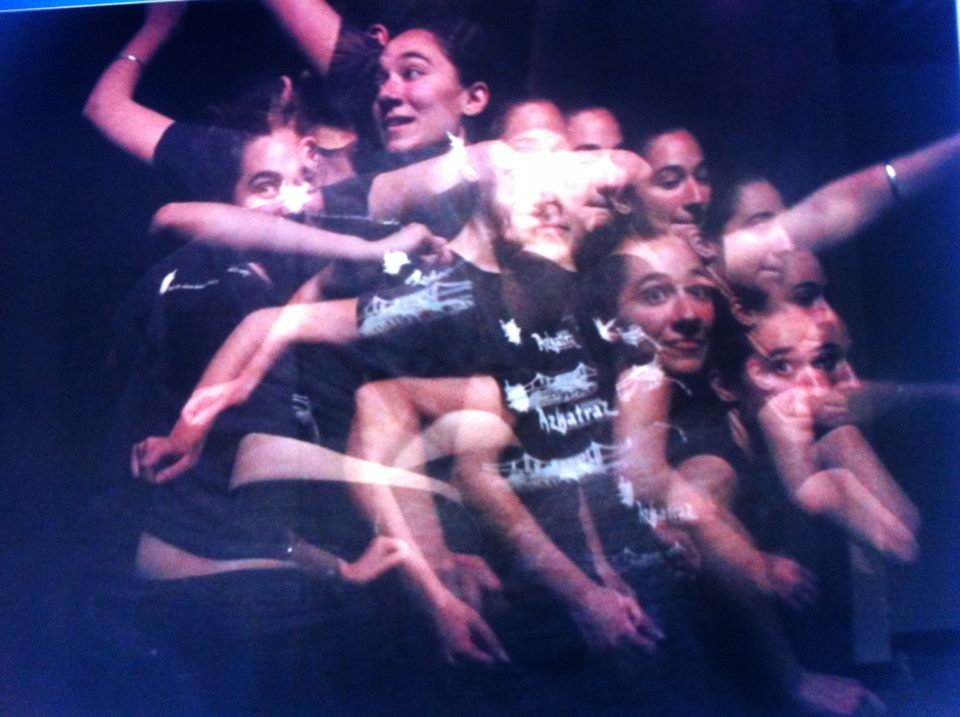
My strategy for getting things done
Have you ever played misery poker?
It was a pretty popular game when I was an undergrad, when we all could ante up paper lengths and nearness of deadines to see who would win the prize of “most screwed.” It still comes up in my “adult” life (though my law school friends tend to have a lock on “least sleep”). Some of my friends can match my comments about the latest Gunnerkrigg Court with “Geez, I haven’t had time to read any of my usual webcomics for the last three weeks” while I tend to be over-scheduled enough to have the longest streak for “haven’t eaten a meal in my own apartment.”
Whichever dimension we compete on, we all have enough business to explain away our stress and restlessness. But, one of the other panelists at the Fare Forward event at the Catholic Information Center made a remark that made me wonder if part of the point of Misery Poker is to explain away any sense of incompleteness.
Andy Quinn was talking about the drive of ambition and the way it can teach us to expect restlessness. We wind up thinking of ourselves like sharks — we have to keep moving to stay alive. Complaining about strain is equivalent to wishing to be lazy or to stop growing. And, with everyone around us matching us in misery poker, we’re likely to conclude that a certain baseline level of stress is not just admirable, but also natural.
At the panel, I was reminded of the academic literature on self-handicapping. We self-handicap when we’re afraid we’ll fail and are afraid of having to attribute that failure to a defect in our intellect or character. So a student stays up all night partying before a test or an athlete skips practice or a candidate drinks before an interview. Having an obvious problem makes it easier to believe that of course you would have succeeded if you’d put a real effort in, but self sabotage shields you from ever testing the hypothesis.
My busy schedule makes it easy to explain my feelings of unease. If I could just clear my schedule for a little while or have a free weekend (I haven’t had one without a trip or other substantial commitment for all of March-April) any feeling of restlessness would of course be cured. I just haven’t had the chance to test the hypothesis yet.
In fact, although it would probably be good to have a little more time to sleep, it’s likely that I’d still be restless or strained even if I were given my leisure. As my confirmation saint, Augustine, declared, “Because God has made us for Himself, our hearts are restless until they rest in Him.” But my quotidian strains and stresses paper over this more existential restlessness and hide it from my attention. While I think vaguely about what I’d do with more time, I’m not actually trying out my solutions and seeing what I’ve left out.
With more time, I’d do more reading, sleeping, and baking, but, I suspect I’d still have an unfilled ache to live with close friends again, instead of (socially-speaking) on my own. It doesn’t require more time to start addressing that last concern, just as I don’t need an entire free weekend to pick up Lectio divina again, but, as long as I can attribute my problems primarily to time, I won’t explore or address my other needs.
Previous Post

April 9, 2014
The Uncharity of Ideological Containment
Next Post

April 11, 2014 7 Quick Takes (4/11/14)
Browse Our Archives
Select a Category 7 Quick Takes Apologetics Atheism Book Conversion Debate Tactics Debates Epistemology/Philosophy Housekeeping Ideological Turing Test Marriage Morality in Practice Parsing Catholicism Possibly Heretical Radio Reviews/Recommendations Sequence Index Spiritual Practice Uncategorized
Select a Month April 2017 March 2017 January 2017 December 2016 September 2016 August 2016 July 2016 June 2016 May 2016 April 2016 March 2016 February 2016 January 2016 December 2015 November 2015 October 2015 September 2015 August 2015 July 2015 June 2015 May 2015 April 2015 March 2015 February 2015 January 2015 December 2014 November 2014 October 2014 September 2014 August 2014 July 2014 June 2014 May 2014 April 2014 March 2014 February 2014 January 2014 December 2013 November 2013 October 2013 September 2013 August 2013 July 2013 June 2013 May 2013 April 2013 March 2013 February 2013 January 2013 December 2012 November 2012 October 2012 September 2012 August 2012 July 2012 June 2012 May 2012 April 2012 March 2012 February 2012 January 2012 December 2011 November 2011 October 2011 September 2011 August 2011 July 2011 June 2011 May 2011 April 2011 March 2011 February 2011 January 2011 December 2010 November 2010 October 2010 September 2010 August 2010 July 2010 June 2010
Follow Us!
TAKE THE
Religious Wisdom Quiz
To whom did Jesus say, "Today you will be with me in paradise"?
Select your answer to see how you score.
The repentant thief Pilate Peter Nicodemus
Related posts from Unequally Yoked

Starving Laypeople of Devotion in Church

Aunt Alberta And Being Right (but the boring...

The Virtues of Sad Songs (a piece for...

The (Extra) Mercy of My Conversion
TRENDING AT PATHEOS Catholic

The Parable Of The Sower And The Word...
One of Christ’s most famous parables is that of the sower who...

Rejecting Doom: Christian Hope And Human Action
Christianity is a religion of hope. We are to have hope and...

Why I Choose the Eucharist Over the Sermon
Choose the Eucharist, Not the Sermon What are we supposed to get...

5 Design Elements Found in Spiritually Rooted Homes
Putting Spirituality Into Home Decor Our homes are more than our living...

Credo: A Story of God Told with the...
About 10 years ago, I began to imagine a personal "Credo" that...

The Anatomy of Divine Revelation in Catholic Thought
The claim that God has made Himself known to human beings is...
view all Catholic blogs
Ad-Free & Subscriber Log-In Subscription Support
- About Us
- 2026 Calendar
- Videos
- Podcasts
- Library of World Religions
- Faith In Media Tracker
- Advertise With Us
- Write for Us
- Privacy Policy
- Terms of Service
- Do Not Sell My Data
- Contact Us
- Radiant Digital
- Manage Newsletter Subscriptions
- Unsubscribe From Notifications
- Sitemap
Copyright 2008-2026, Patheos. All rights reserved.
Subscription Support Ad-Free & Subscriber Log-In
Follow Patheos