
BuddhistCatholicContemplativeEvangelicalGeneral ChristianHinduJewishLatter-day SaintMuslimNew VisionsProgressive Christian
Beliefs
- Buddhist
- Catholic
- Contemplative
- Evangelical
- General Christian
- Hindu
- Jewish
- Latter-day Saint
- More Voices
- Muslim
- New Visions
- Pagan
- Progressive Christian
Topics
- Religion News
- Food and Religion
- Sports and Religion
- Religious Art
- Religious Music and Entertainment
- Religious Events
- History and Religion
- Style and Religion
- Politics and Religion
- Women in Religion
- Recreation Outdoors and Religion
- Business Finance and Religion
- Careers Workplace and Religion
- Education and Religion
- Family Parenting and Religion
- Health Fitness and Religion
- Home and Religion
- Relationships and Religion
- Technology and Religion
- Travel and Religion
Columnists
- Buddhist Columnists
- Business Finance and Religion Columnists
- Careers Workplace and Religion Columnists
- Catholic Columnists
- Contemplative Columnists
- Education and Religion Columnists
- Evangelists Columnists
- Family Parenting and Religion Columnists
- General Christian Columnists
- Health Fitness and Religion Columnists
- Hindu Columnists
- History and Religion Columnists
- Home and Religion Columnists
- Jewish Columnists
- More Voices Columnists
- Latter Day Columnists
- Muslim Columnists
- New Visions Columnists
- Nonreligious Columnists
- Pagan Columnists
- Politics and Religion Columnists
- Progressive Columnists
- Recreation Outdoors and Religion Columnists
- Relationships and Religion Columnists
- Religion News Columnists
- Religious Art Columnists
- Religious Events Columnists
- Religious Music and Entertainment Columnists
- Sports and Religion Columnists
- Style and Religion Columnists
- Technology and Religion Columnists
- Travel and Religion Columnists
- Women in Religion Columnists
Resource Library
- 2026 Calendar
- Library of World Religions
- The 100 Most Holy Places on Earth
- Patheos Answers
- Podcasts
- Videos
- Faith Leaders Database
- Anglican Episcopalian
- Bahai
- Baptist
- Buddhism
- Christianity
- Confucianism
- Eastern Orthodoxy
- Hinduism
- Holiness and Pentecostal
- ISKCON
- Islam
- Judaism
- Lutheran
- Methodist
- The Church of Jesus Christ of Latter-day Saints
- New Age
- Paganism
- Presbytarian and Reformed
- Protestantism
- Religion Behind the Scenes
- Roman Catholic
- Scientology
- Shia Islam
- Sikhism
- Sufism
- Sunni Islam
- Taoism
- Zen
- See all religions
Research Tools
 Ad-Free & Subscriber Log-In Subscription Support
Ad-Free & Subscriber Log-In Subscription Support
Follow Patheos 

- Trending:
- Forgiveness
- |
- Marriage
- |
- Consciousness
- |
- Death Penalty
- |
- Election
- |
- Halloween
 Unequally Yoked
- Home
- Catholic
- Girding My Loins for Lent [Pope Francis Bookclub]
Girding My Loins for Lent [Pope Francis Bookclub]
Last updated on: March 5, 2014 at 10:02 am by Leah Libresco
Girding My Loins for Lent [Pope Francis Bookclub] 2014-03-05T10:02:23-05:00 Leah Libresco
Patheos Explore the world's faith through different perspectives on religion and spirituality! Patheos has the views of the prevalent religions and spiritualities of the world.
In 2014, I’m reading and blogging through Pope Francis/Cardinal Bergoglio’s Open Mind, Faithful Heart: Reflections on Following Jesus. Every Monday, I’ll be writing about the next meditation in the book, so you’re welcome to peruse them all and/or read along.
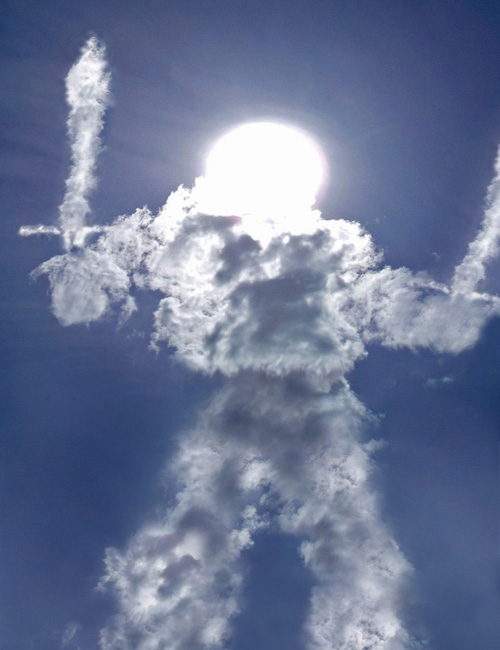
In this week’s chapter of Pope Francis’s book, he quotes a letter by St. Ignatius of Loyola that seemed particularly appropriate for Lent:
Experiencing difficulty is nothing exceptional; rather it is what ordinarily happens in matters of much importance for the divine service and glory… The contradictions we saw before and those we see now are nothing new for us; in view of our experience in other places, the hope we have that Christ our Lord will be well served in this city are all the greater because of the obstacles put in our way by those who are always attempting to obstruct the service of God. For the enemy moves people who have good intentions but bad information to reject that which they do not understand.
Whether your self-imposed penance turns out to be harder than you thought, or the people around you all seem to have the intention of helping you have a very, shall we say, fruitful season of purification, Ignatius and Pope Francis remind us not to be too shocked when this comes to pass.
It can make a big difference expecting a pain instead of being blindsided by it. The warning that Ignatius gives helps us experience the strain of Lent and repentance in something of the spirit that a runner experiences sore muscles. The pain isn’t a sign of danger, but of growth. When the little dashboard light of “pain/fear/exhaustion” goes off, it helps to be able to say, “Oh yeah, I expected that, and it’s ok.”
But, in this passage, St. Ignatius doesn’t desire strain for its own sake. It’s good to be purified by struggle, but we shouldn’t have a lust to encounter resistance, whether in ourselves or in others, so we can have the pleasure of overcoming it. I’ve fallen into this trap before, where my honest, first reaction to someone’s brusqueness or cruelty is delight that I get to be nice in a challenging situation. In those cases, the resistance I should be worried about addressing isn’t the other person’s behavior but my own triumphalism, and the way it’s blinding me to desiring the good of my interlocutor.
For the Orthodox, Lent began this Monday, and I enjoyed Rod Dreher’s reflections on the beginning of the season and its similarity toward what the Sufis call “inner jihad:”
Lent is not a payback for our sins, or an attempt to win merit. That would be futile. Rather, Lent is a time of mourning, of repentance, of disciplining our tendencies toward sin… Lent is a long trek across the desert of the self, fighting with every step. If done right, though, the victories bring cleansing joy, as Forese said.
And from one other post, kicking off his Lenten Purgatorio book club:
But then, they were in Hell in this mortal life, because they chose to dwell in their sin so fully that they didn’t even recognize it as sin. This is us. The Pilgrim doesn’t walk through Hell gawking at other sinners, and thanking God that he is not like them. He walks through Hell and comes to understand that he is, in fact, like them. He knows many of these damned souls personally. They aren’t strangers to him. Neither is sin.
The walk through the Inferno is meant to compel the reader to recognize his sins, and to turn from them. Purgatorio is for those who have repented from their sins, and who will be granted Paradise by the grace of God, but who need to be purified of their sinful inclinations before being strong enough to bear the intensity of God’s purity. This is important to keep in mind as we prepare for the journey up the seven-storey mountain. Purgatory is not a punishment for sins, any more than Lent is a punishment for sins. Rather, it is a time to perfect our repentance by subjecting all our passions to the will of God, and having them burned away.
These meditations, coupled with the excerpt from St. Ignatius, help me get a handle on what Pope Francis might intend us to pray for when he advises us: “Let us ask the Lord on this day for the grace to appreciate fully the militant aspect of our apostolic loves.”
Being happy warrior against inward or outward resistance doesn’t necessitate being hateful or scornful to what or whom obstructs us. In fact, it’s easier to fight with joy instead of need or fear if we’re fighting to heal the wounds in the world, and conquer resistance by bringing all things to unity in Christ. Whatever we encounter (and especially whomever) is still made by and beloved of God, so we hope for it to be baptized and reconciled, not destroyed.
DarwinCatholic is praying a novena for Ordering Lives Wisely by St. Thomas Aquinas, that ends today on Ash Wednesday. If you’d like to join her and me, you can find the prayers here.
Previous Post

March 4, 2014
Sex as a How Do You Do?
Next Post

March 6, 2014 Auditing "Addictions" During Lent
Browse Our Archives
Select a Category 7 Quick Takes Apologetics Atheism Book Conversion Debate Tactics Debates Epistemology/Philosophy Housekeeping Ideological Turing Test Marriage Morality in Practice Parsing Catholicism Possibly Heretical Radio Reviews/Recommendations Sequence Index Spiritual Practice Uncategorized
Select a Month April 2017 March 2017 January 2017 December 2016 September 2016 August 2016 July 2016 June 2016 May 2016 April 2016 March 2016 February 2016 January 2016 December 2015 November 2015 October 2015 September 2015 August 2015 July 2015 June 2015 May 2015 April 2015 March 2015 February 2015 January 2015 December 2014 November 2014 October 2014 September 2014 August 2014 July 2014 June 2014 May 2014 April 2014 March 2014 February 2014 January 2014 December 2013 November 2013 October 2013 September 2013 August 2013 July 2013 June 2013 May 2013 April 2013 March 2013 February 2013 January 2013 December 2012 November 2012 October 2012 September 2012 August 2012 July 2012 June 2012 May 2012 April 2012 March 2012 February 2012 January 2012 December 2011 November 2011 October 2011 September 2011 August 2011 July 2011 June 2011 May 2011 April 2011 March 2011 February 2011 January 2011 December 2010 November 2010 October 2010 September 2010 August 2010 July 2010 June 2010
Follow Us!
TAKE THE
Religious Wisdom Quiz
How does Isaiah describe the suffering servant's reaction to unjust treatment?
Select your answer to see how you score.
Weeping loudly Silent as a sheep Roaring like a lion Fleeing to Egypt
Related posts from Unequally Yoked

Starving Laypeople of Devotion in Church

Aunt Alberta And Being Right (but the boring...

The Virtues of Sad Songs (a piece for...

The (Extra) Mercy of My Conversion
TRENDING AT PATHEOS Catholic

Creation, Preservation, and Teleology in Catholic Theology
As I write this, it is very early Monday morning. Like millions...

The Parable Of The Sower And The Word...
One of Christ’s most famous parables is that of the sower who...

Rejecting Doom: Christian Hope And Human Action
Christianity is a religion of hope. We are to have hope and...

Why I Choose the Eucharist Over the Sermon
Choose the Eucharist, Not the Sermon What are we supposed to get...

5 Design Elements Found in Spiritually Rooted Homes
Putting Spirituality Into Home Decor Our homes are more than our living...

Credo: A Story of God Told with the...
About 10 years ago, I began to imagine a personal "Credo" that...
view all Catholic blogs
Ad-Free & Subscriber Log-In Subscription Support
- About Us
- 2026 Calendar
- Videos
- Podcasts
- Library of World Religions
- Faith In Media Tracker
- Advertise With Us
- Write for Us
- Privacy Policy
- Terms of Service
- Do Not Sell My Data
- Contact Us
- Radiant Digital
- Manage Newsletter Subscriptions
- Unsubscribe From Notifications
- Sitemap
Copyright 2008-2026, Patheos. All rights reserved.
Subscription Support Ad-Free & Subscriber Log-In
Follow Patheos