
BuddhistCatholicContemplativeEvangelicalGeneral ChristianHinduJewishLatter-day SaintMuslimNew VisionsProgressive Christian
Beliefs
- Buddhist
- Catholic
- Contemplative
- Evangelical
- General Christian
- Hindu
- Jewish
- Latter-day Saint
- More Voices
- Muslim
- New Visions
- Pagan
- Progressive Christian
Topics
- Religion News
- Food and Religion
- Sports and Religion
- Religious Art
- Religious Music and Entertainment
- Religious Events
- History and Religion
- Style and Religion
- Politics and Religion
- Women in Religion
- Recreation Outdoors and Religion
- Business Finance and Religion
- Careers Workplace and Religion
- Education and Religion
- Family Parenting and Religion
- Health Fitness and Religion
- Home and Religion
- Relationships and Religion
- Technology and Religion
- Travel and Religion
Columnists
- Buddhist Columnists
- Business Finance and Religion Columnists
- Careers Workplace and Religion Columnists
- Catholic Columnists
- Contemplative Columnists
- Education and Religion Columnists
- Evangelists Columnists
- Family Parenting and Religion Columnists
- General Christian Columnists
- Health Fitness and Religion Columnists
- Hindu Columnists
- History and Religion Columnists
- Home and Religion Columnists
- Jewish Columnists
- More Voices Columnists
- Latter Day Columnists
- Muslim Columnists
- New Visions Columnists
- Nonreligious Columnists
- Pagan Columnists
- Politics and Religion Columnists
- Progressive Columnists
- Recreation Outdoors and Religion Columnists
- Relationships and Religion Columnists
- Religion News Columnists
- Religious Art Columnists
- Religious Events Columnists
- Religious Music and Entertainment Columnists
- Sports and Religion Columnists
- Style and Religion Columnists
- Technology and Religion Columnists
- Travel and Religion Columnists
- Women in Religion Columnists
Resource Library
- 2026 Calendar
- Library of World Religions
- The 100 Most Holy Places on Earth
- Patheos Answers
- Podcasts
- Videos
- Faith Leaders Database
- Anglican Episcopalian
- Bahai
- Baptist
- Buddhism
- Christianity
- Confucianism
- Eastern Orthodoxy
- Hinduism
- Holiness and Pentecostal
- ISKCON
- Islam
- Judaism
- Lutheran
- Methodist
- The Church of Jesus Christ of Latter-day Saints
- New Age
- Paganism
- Presbytarian and Reformed
- Protestantism
- Religion Behind the Scenes
- Roman Catholic
- Scientology
- Shia Islam
- Sikhism
- Sufism
- Sunni Islam
- Taoism
- Zen
- See all religions
Research Tools
 Ad-Free & Subscriber Log-In Subscription Support
Ad-Free & Subscriber Log-In Subscription Support
Follow Patheos 

- Trending:
- Forgiveness
- |
- Marriage
- |
- Consciousness
- |
- Death Penalty
- |
- Election
- |
- Halloween
 Unequally Yoked
- Home
- Catholic
- Servant of Two Masters
Servant of Two Masters
Last updated on: September 9, 2013 at 3:10 pm by Leah Libresco
Servant of Two Masters 2013-09-09T15:10:58-04:00 Leah Libresco
Patheos Explore the world's faith through different perspectives on religion and spirituality! Patheos has the views of the prevalent religions and spiritualities of the world.
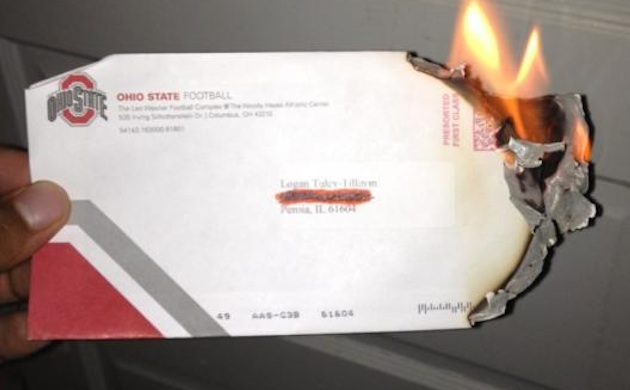
If I had a car, I suppose I could have a bumpersticker that read “My other Sunday obligation is the New York Times.” And part of the weekly ritual tends to be glaring at the Ethicist column, which frequently gives questionably ethical advice.
A few weeks ago, a reader wrote in to say that she sorts mail for a group of homeless or at-risk American Indian people and, when she found that one new mother had been sent a free formula sample, wanted to throw it out, so that the woman wouldn’t be tempted to neglect breastfeeding. She wasn’t sure how to balance her duties as mail sorter with her duties to the child. In addition, she worked as an infant and maternal health advocate in a separate job.
You have two unrelated jobs — mail delivery and advocating for infant health. So what do you do if the requirements of one contradict the responsibilities of the other? My advice would be to consider the worst case within each ethical framework and ignore whichever system has the least damaging real-world potential. Throwing away someone else’s mail is absolutely unlawful. (In this case, it’s defined as obstruction of mail and would be treated as a misdemeanor.) On the other hand, there’s obviously nothing illegal about failing to tell someone that formula is less healthful than breast milk. But can anyone objectively argue that the upside of upholding a man-made law regarding the improper disposal of unsolicited mail is greater than the downside of placing an already at-risk child in a potentially amplified position of peril? It’s not as if you’re making this judgment arbitrarily; as someone holding both jobs (and presumably trained to do so), you are in a valid position to decide which edict matters more.
In the specific scenario you cite, however, your two volunteer jobs are not really at odds. Give this woman the formula that was mailed to her, but not before urging her to consider the value of breast-feeding. Use the opportunity to educate her about how these nutritional methods are different, and let her decide what is best for her and her baby. In this way, you’d be performing both of your duties simultaneously.
The Ethicist mentions the law against destroying mail without dwelling on the reasoning for it. It’s not just one factor in the letter-writer’s utilitarian calculus; it indicates something about the nature of the job she accepted as mail-sorter. It’s an institutional position of trust. A trust that would still be violated if she adopted the advice of the Ethicist and gave the woman a lecture along with the formula.
Suppose the woman had been ordering racy books, and the mail sorter had been torn about whether to destroy them and settled on simply lecturing the recipient? When the woman receives mail, she has not invited everyone who handled the package into her home for a set-to about the contents. We can use mail because postal workers (and volunteers) leave their knowledge at the job, and don’t use their privileged access to information to harass the people on their route (even if it’s for the ostensible greater good).
If her two jobs come into conflict frequently, she should resign one of them. And it might be worth asking why she’s not permitted to destroy mail, and being a bit curious about the answer, before she lets her own ethical intuitions play merry hob with the system everyone else is participating in and depending on.
I’m frustrated by this letter because the Ethicist acts as though the mail sorter’s ethics are unrestricted by her role as an agent of an institutional. The Ethicist assumes the solution is to find a way to “perform both of your duties simultaneously” not that taking on a duty may force a choice. It’s not licit for her to just ignore whichever job’s restrictions “has the least damaging real-world potential.” Even though they have downstream effects on people, the NYT ethicist seldom factors the health of traditions and institutions into his moral calculus.
Previous Post
September 8, 2013
If the Phantom Tollbooth were a musical for grad students...
Next Post

September 10, 2013 The Fear of God in Me
Browse Our Archives
Select a Category 7 Quick Takes Apologetics Atheism Book Conversion Debate Tactics Debates Epistemology/Philosophy Housekeeping Ideological Turing Test Marriage Morality in Practice Parsing Catholicism Possibly Heretical Radio Reviews/Recommendations Sequence Index Spiritual Practice Uncategorized
Select a Month April 2017 March 2017 January 2017 December 2016 September 2016 August 2016 July 2016 June 2016 May 2016 April 2016 March 2016 February 2016 January 2016 December 2015 November 2015 October 2015 September 2015 August 2015 July 2015 June 2015 May 2015 April 2015 March 2015 February 2015 January 2015 December 2014 November 2014 October 2014 September 2014 August 2014 July 2014 June 2014 May 2014 April 2014 March 2014 February 2014 January 2014 December 2013 November 2013 October 2013 September 2013 August 2013 July 2013 June 2013 May 2013 April 2013 March 2013 February 2013 January 2013 December 2012 November 2012 October 2012 September 2012 August 2012 July 2012 June 2012 May 2012 April 2012 March 2012 February 2012 January 2012 December 2011 November 2011 October 2011 September 2011 August 2011 July 2011 June 2011 May 2011 April 2011 March 2011 February 2011 January 2011 December 2010 November 2010 October 2010 September 2010 August 2010 July 2010 June 2010
Follow Us!
TAKE THE
Religious Wisdom Quiz
Who said: "His divine power has given us everything we need for a godly life through our knowledge of him"?
Select your answer to see how you score.
Paul John Peter James
Related posts from Unequally Yoked

The Tony-Winning Guide To Temptation And Grace

Hedgehogs of Redemption and the Comedy of Grace

Mercy, Justice, and How To Tell The Difference

Pinning down *which* error is made in this...
TRENDING AT PATHEOS Catholic

Rejecting Doom: Christian Hope And Human Action
Christianity is a religion of hope. We are to have hope and...

It’s What Comes From Within Which Matters
One of the most difficult things for us to understand is why...

Why I Choose the Eucharist Over the Sermon
Choose the Eucharist, Not the Sermon What are we supposed to get...

5 Design Elements Found in Spiritually Rooted Homes
Putting Spirituality Into Home Decor Our homes are more than our living...

Credo: A Story of God Told with the...
About 10 years ago, I began to imagine a personal "Credo" that...

The Anatomy of Divine Revelation in Catholic Thought
The claim that God has made Himself known to human beings is...
view all Catholic blogs
Ad-Free & Subscriber Log-In Subscription Support
- About Us
- 2026 Calendar
- Videos
- Podcasts
- Library of World Religions
- Faith In Media Tracker
- Advertise With Us
- Write for Us
- Privacy Policy
- Terms of Service
- Do Not Sell My Data
- Contact Us
- Radiant Digital
- Manage Newsletter Subscriptions
- Unsubscribe From Notifications
- Sitemap
Copyright 2008-2026, Patheos. All rights reserved.
Subscription Support Ad-Free & Subscriber Log-In
Follow Patheos