
BuddhistCatholicContemplativeEvangelicalGeneral ChristianHinduJewishLatter-day SaintMuslimNew VisionsProgressive Christian
Beliefs
- Buddhist
- Catholic
- Contemplative
- Evangelical
- General Christian
- Hindu
- Jewish
- Latter-day Saint
- More Voices
- Muslim
- New Visions
- Pagan
- Progressive Christian
Topics
- Religion News
- Food and Religion
- Sports and Religion
- Religious Art
- Religious Music and Entertainment
- Religious Events
- History and Religion
- Style and Religion
- Politics and Religion
- Women in Religion
- Recreation Outdoors and Religion
- Business Finance and Religion
- Careers Workplace and Religion
- Education and Religion
- Family Parenting and Religion
- Health Fitness and Religion
- Home and Religion
- Relationships and Religion
- Technology and Religion
- Travel and Religion
Columnists
- Buddhist Columnists
- Business Finance and Religion Columnists
- Careers Workplace and Religion Columnists
- Catholic Columnists
- Contemplative Columnists
- Education and Religion Columnists
- Evangelists Columnists
- Family Parenting and Religion Columnists
- General Christian Columnists
- Health Fitness and Religion Columnists
- Hindu Columnists
- History and Religion Columnists
- Home and Religion Columnists
- Jewish Columnists
- More Voices Columnists
- Latter Day Columnists
- Muslim Columnists
- New Visions Columnists
- Nonreligious Columnists
- Pagan Columnists
- Politics and Religion Columnists
- Progressive Columnists
- Recreation Outdoors and Religion Columnists
- Relationships and Religion Columnists
- Religion News Columnists
- Religious Art Columnists
- Religious Events Columnists
- Religious Music and Entertainment Columnists
- Sports and Religion Columnists
- Style and Religion Columnists
- Technology and Religion Columnists
- Travel and Religion Columnists
- Women in Religion Columnists
Resource Library
- 2026 Calendar
- Library of World Religions
- The 100 Most Holy Places on Earth
- Patheos Answers
- Podcasts
- Videos
- Faith Leaders Database
- Anglican Episcopalian
- Bahai
- Baptist
- Buddhism
- Christianity
- Confucianism
- Eastern Orthodoxy
- Hinduism
- Holiness and Pentecostal
- ISKCON
- Islam
- Judaism
- Lutheran
- Methodist
- The Church of Jesus Christ of Latter-day Saints
- New Age
- Paganism
- Presbytarian and Reformed
- Protestantism
- Religion Behind the Scenes
- Roman Catholic
- Scientology
- Shia Islam
- Sikhism
- Sufism
- Sunni Islam
- Taoism
- Zen
- See all religions
Research Tools
 Ad-Free & Subscriber Log-In Subscription Support
Ad-Free & Subscriber Log-In Subscription Support
Follow Patheos 

- Trending:
- Forgiveness
- |
- Marriage
- |
- Consciousness
- |
- Death Penalty
- |
- Election
- |
- Halloween
 Unequally Yoked
- Home
- Catholic
- Two Debaters Enter, One Epistemology Leaves
Two Debaters Enter, One Epistemology Leaves
Last updated on: December 3, 2012 at 5:05 pm by Leah Libresco
Two Debaters Enter, One Epistemology Leaves 2012-12-03T17:05:07-05:00 Leah Libresco
Patheos Explore the world's faith through different perspectives on religion and spirituality! Patheos has the views of the prevalent religions and spiritualities of the world.
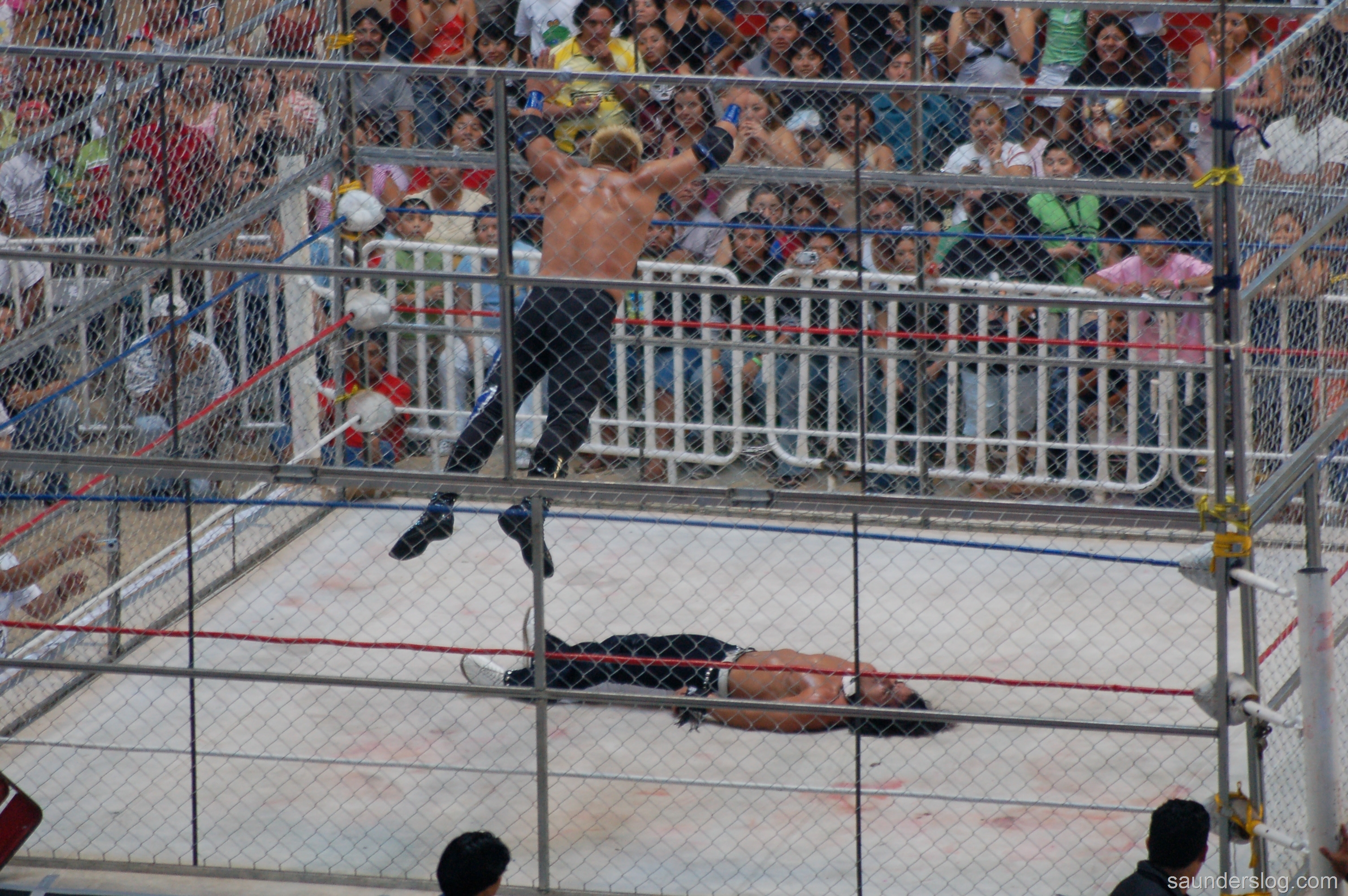
After I outlined my best practises for debating religion, Eve Tushnet and The Ubiquitous had some thought-provoking criticisms to make. Well, The Ubiquitous’s was framed as a compliment, but it worried me more. He said, in praise of my suggestion that debates open with both sides putting their epistemological cards on the table:
I suspect that the only debate worth having right now regards the problem of induction, which basically summarizes just about every objection to just about everything with supposed theistic overtones.
If every debate I participated in ended up being a philosophically rigorous discussion of the problem of induction, I’d get out of the business and finally start that band that only sings about grammar that I’ve been meaning to for years. It’s hard-to-impossible to come up with foolproof criteria for choosing between systems of first principles, so I’m very suspicious of Ubiquitous’s enthusiasm.
Going more abstract can distract you from the problem at hand. You can get to the rarefied point where your philosophy becomes totally unmoored from the world we live in, and any attempt to appeal to experience is denounces as foolish consequentialism. (I promise an example of this tomorrow). So I have a lot of sympathy with Eve’s criticism that:
I’ve learned a lot more, and been more deeply persuaded by, speeches which roved freely (or careened drunkenly!) from topic to topic, or which centered on a single image rather than a single topic, or which attempted to change the questions of the debate rather than answering the questions their opponents cared about…
Plus I worry that listing the kinds of evidence you approve and accept in advance makes it harder to be startled by something striking which falls outside those boundaries. My impression, which could be wrong or overly cynical, is that the more people focus on epistemological questions in this kind of debate, the less likely they are to actually change their minds about anything–because you can always find more reasons! Or add epicycles, or whatever.
So here’s my compromise/resynthesis: I still think it’s important to start a debate with epistemology and standards of evidence. It gives your opponent a chance to know what attacks might work on you and which require more heavy lifting. It also saves you time setting these expectations in the beginning instead of circling back to them constantly during the meat of the speeches. But the rest of the discussion shouldn’t all be at this level of abstraction.
The virtue of an epistemology doesn’t lie only in it’s consistency and philosophical rigor. If it did, the solipsists, in their small circles, would be sweeping all the showdowns. We also judge an epistemology by what it can do, and that requires that we link it back up with our experiences.
Essentially, the debaters have the first epistemological round to identify the system they’ll be defending and head off misconceptions at the get go. For the rest of the rounds, no matter what the topic, the goal is to persuade the audience that your system is beautiful/useful/strange enough to unsettle them enough to keep investigating it after the debate.
Previous Post

January 27, 2012
Intelligently Designing a Debate on Religion
Next Post
January 31, 2012 Invite Me to Debate!
Browse Our Archives
Select a Category 7 Quick Takes Apologetics Atheism Book Conversion Debate Tactics Debates Epistemology/Philosophy Housekeeping Ideological Turing Test Marriage Morality in Practice Parsing Catholicism Possibly Heretical Radio Reviews/Recommendations Sequence Index Spiritual Practice Uncategorized
Select a Month April 2017 March 2017 January 2017 December 2016 September 2016 August 2016 July 2016 June 2016 May 2016 April 2016 March 2016 February 2016 January 2016 December 2015 November 2015 October 2015 September 2015 August 2015 July 2015 June 2015 May 2015 April 2015 March 2015 February 2015 January 2015 December 2014 November 2014 October 2014 September 2014 August 2014 July 2014 June 2014 May 2014 April 2014 March 2014 February 2014 January 2014 December 2013 November 2013 October 2013 September 2013 August 2013 July 2013 June 2013 May 2013 April 2013 March 2013 February 2013 January 2013 December 2012 November 2012 October 2012 September 2012 August 2012 July 2012 June 2012 May 2012 April 2012 March 2012 February 2012 January 2012 December 2011 November 2011 October 2011 September 2011 August 2011 July 2011 June 2011 May 2011 April 2011 March 2011 February 2011 January 2011 December 2010 November 2010 October 2010 September 2010 August 2010 July 2010 June 2010
Follow Us!
TAKE THE
Religious Wisdom Quiz
In the Parable of the Wise and Foolish Virgins, what did the wise bring?
Select your answer to see how you score.
Bread New clothes Extra oil Wine
Related posts from Unequally Yoked

Rational Faith: More working hypothesis than logical proof

Starting Conversations During Francis's Visit

Desiring Abundance of Life, Not Just Absence of...

Why Not Refer to ISIS by an Epithet?
TRENDING AT PATHEOS Catholic

Rejecting Doom: Christian Hope And Human Action
Christianity is a religion of hope. We are to have hope and...

It’s What Comes From Within Which Matters
One of the most difficult things for us to understand is why...

Why I Choose the Eucharist Over the Sermon
Choose the Eucharist, Not the Sermon What are we supposed to get...

5 Design Elements Found in Spiritually Rooted Homes
Putting Spirituality Into Home Decor Our homes are more than our living...

Credo: A Story of God Told with the...
About 10 years ago, I began to imagine a personal "Credo" that...

The Anatomy of Divine Revelation in Catholic Thought
The claim that God has made Himself known to human beings is...
view all Catholic blogs
Ad-Free & Subscriber Log-In Subscription Support
- About Us
- 2026 Calendar
- Videos
- Podcasts
- Library of World Religions
- Faith In Media Tracker
- Advertise With Us
- Write for Us
- Privacy Policy
- Terms of Service
- Do Not Sell My Data
- Contact Us
- Radiant Digital
- Manage Newsletter Subscriptions
- Unsubscribe From Notifications
- Sitemap
Copyright 2008-2026, Patheos. All rights reserved.
Subscription Support Ad-Free & Subscriber Log-In
Follow Patheos